Cesar Chavez Day Controversy Reaches Nevada State Capitol
In the shadow of Nevada’s state capitol, a debate simmers—one that could reshape how the legacy of Cesar Chavez is perceived across the American West. The annual observance of Cesar Chavez Day, long a symbol of labor rights and social justice, has become a battleground for competing narratives. As lawmakers in Carson City deliberate over its future, the controversy transcends partisan lines, revealing deeper fissures in how history is memorialized and who gets to define its lessons. This isn’t merely a policy skirmish; it’s a reckoning with the complexities of a man whose ideals once united a movement, now dissected under the harsh light of modern scrutiny.
The Roots of Reverence and Reckoning
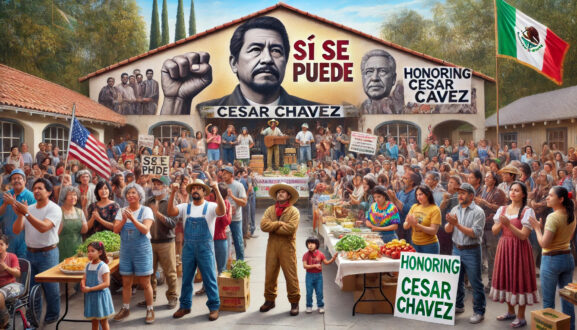
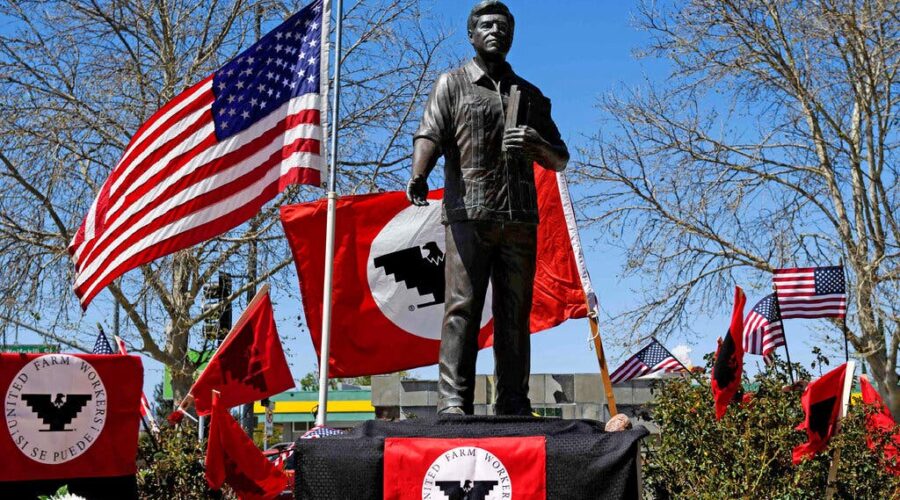
Cesar Chavez’s name evokes images of sun-baked fields, clenched fists, and the unyielding fight for farmworkers’ dignity. For decades, his legacy was enshrined in holidays, murals, and school curricula, celebrated as a beacon of nonviolent resistance. Yet, as the decades pass, the luster of his mythos has dulled under closer examination. Critics argue that the sanitized version of Chavez’s story—stripped of his more contentious stances on immigration, his union’s internal strife, and his complicated relationship with power—has left an incomplete portrait. In Nevada, a state with a sizable agricultural workforce and a growing Latino electorate, these tensions have crystallized into a legislative flashpoint. The question isn’t just whether to honor Chavez, but how—and whose version of history deserves a place in the public square.
Nevada’s Capitol as a Crucible of Ideological Clash
The Nevada State Legislature has become an unlikely stage for this cultural tug-of-war. Bills proposing to expand or restrict Cesar Chavez Day’s observance have sparked impassioned testimony from both sides. Advocates for preservation frame the holiday as a moral imperative, a necessary counterbalance to the erasure of Latino contributions in American history. Opponents, however, argue that the day has devolved into performative activism, a hollow gesture that obscures more than it illuminates. The debate has laid bare Nevada’s demographic and political divides: urban centers like Las Vegas and Reno, with their diverse populations, often clash with rural districts where agriculture remains the lifeblood. In this crucible, the holiday’s future hangs in the balance, not just as a policy decision, but as a referendum on whose stories society chooses to elevate.
The Unseen Layers of Chavez’s Legacy
Beneath the surface of the holiday’s controversy lies a more nuanced exploration of Chavez’s life. His opposition to undocumented immigration, for instance, clashes with today’s progressive values, while his union’s tactics—including boycotts and strikes—were not without collateral damage to small farmers. These contradictions challenge the monolithic narrative of Chavez as an infallible hero. In Nevada, where the agricultural sector relies heavily on migrant labor, these complexities take on a visceral urgency. The debate forces a confrontation with uncomfortable truths: Was Chavez a visionary who laid the groundwork for labor rights, or a flawed figure whose methods and beliefs were as divisive as they were unifying? The answer, it seems, depends on who you ask—and which version of history they’re willing to accept.
What’s at Stake Beyond the Holiday
The implications of this debate stretch far beyond a single day on the calendar. Nevada’s decision could set a precedent for other states grappling with how to honor contentious historical figures. Will the holiday become a platform for broader discussions about labor rights, immigration, and racial justice? Or will it remain a symbolic gesture, devoid of the deeper reckoning it demands? The outcome may also influence how younger generations—particularly those of Latino descent—engage with their heritage. For some, Chavez’s legacy is a source of pride; for others, it’s a reminder of the struggles that persist long after the picket lines have faded. The Capitol’s deliberations are, in many ways, a microcosm of America’s ongoing struggle to reconcile its past with the present.
The winds of change are blowing through Carson City, carrying with them the weight of history and the promise of a new perspective. Whether Nevada chooses to preserve, reform, or discard Cesar Chavez Day, one thing is certain: the conversation it has sparked will linger long after the legislation is signed. In the end, the holiday’s fate may reveal more about the state’s soul than it does about the man it seeks to honor.