The Environmental Cost of The Vegas Loop Expansion Project
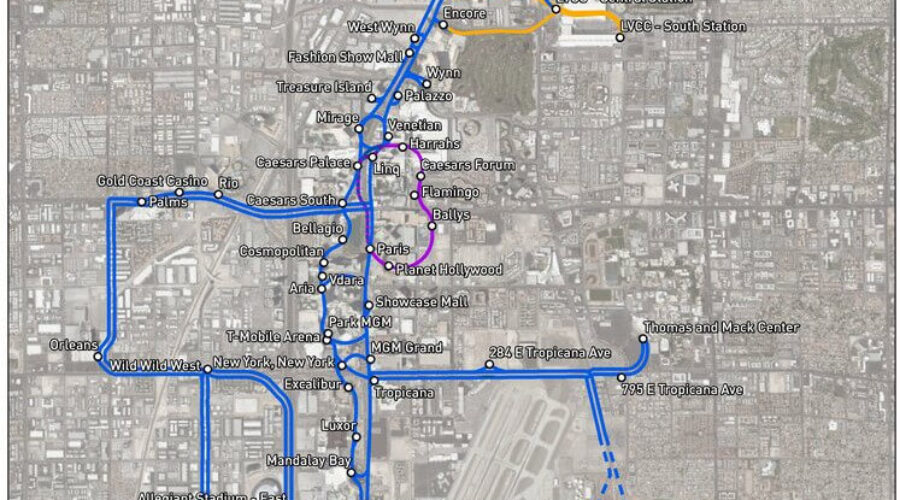
Have you ever wondered what lies beneath the neon glow of Las Vegas, beyond the dazzling casinos and bustling sidewalks? Beneath the city’s glittering surface, a labyrinth of tunnels is quietly expanding—the Vegas Loop, a futuristic transit system promising to redefine urban mobility. But as the project carves deeper into the desert, a pressing question lingers: at what environmental cost?
The Mirage of Progress: A Desert Ecosystem Under Siege
The Vegas Loop isn’t just a marvel of engineering; it’s a voracious consumer of resources. Beneath the arid expanse of the Mojave Desert, the project’s tunneling machines churn through fragile geological layers, disrupting delicate aquifers that have sustained life for millennia. The desert’s crust, a fragile veneer of life, is being perforated by miles of subterranean pathways, each one a potential conduit for erosion or contamination. With groundwater levels already precarious, the risk of irreversible depletion looms large.
Concrete Jungles Beneath the Sands: The Carbon Footprint Quandary
Every mile of tunnel requires enough concrete to build a small city block—each cubic yard emitting nearly a ton of carbon dioxide. The Vegas Loop’s expansion, with its sprawling network of subterranean arteries, is a carbon behemoth in the making. The energy-intensive process of excavating and reinforcing these tunnels, coupled with the relentless operation of electric vehicles shuttling passengers, compounds the project’s ecological footprint. In a city already grappling with extreme heat and air quality concerns, can we afford to trade one crisis for another?
Silent Disruptions: The Unseen Toll on Local Wildlife
The desert isn’t barren; it’s a thriving, if austere, ecosystem teeming with life. Burrowing owls, desert tortoises, and kit foxes navigate this harsh terrain with evolutionary precision. Yet, as the tunnels burrow deeper, these species face habitat fragmentation, noise pollution, and the specter of displacement. The Vegas Loop’s expansion could sever critical wildlife corridors, leaving isolated populations vulnerable to genetic bottlenecks and local extinction. Is progress worth the erasure of creatures that have called this land home long before the first neon sign flickered to life?
The Illusion of Sustainability: Electric Vehicles and the Energy Dilemma
Proponents tout the Vegas Loop’s electric shuttles as a green alternative to gas-guzzling cars. But where does the electricity come from? Nevada’s energy grid, though increasingly renewable, still relies on natural gas and coal during peak demand. The shuttles’ constant operation—24/7, year-round—places an immense strain on the grid, potentially negating the environmental benefits. Without a robust, clean energy backbone, the Loop risks becoming a high-tech mirage, a sustainable facade masking a carbon-intensive reality.
Urban Heat Island Effect: Tunnels as Thermal Sinks
Las Vegas is already a heat island, its concrete and asphalt absorbing and radiating warmth like a giant radiator. The Vegas Loop’s tunnels, though buried, could exacerbate this effect by altering subsurface heat flows. As warm air from the surface descends into the cooler tunnels, it may create microclimates that disrupt local weather patterns. Could this subterranean network inadvertently turn the city into an even hotter furnace, pushing temperatures to unbearable extremes?
The Vegas Loop’s expansion is a double-edged sword—cutting through the desert’s heart while promising to streamline urban life. But as the tunnels stretch farther, so too does the shadow of their environmental toll. The question isn’t just whether we can build this marvel, but whether we should. In the race to redefine mobility, are we trading the desert’s soul for the convenience of a few?