How 17% Snowpack Will Affect Nevada’s Hydroelectric Power and Reservoirs
Nevada’s relationship with water is one of precarious balance—a delicate dance between scarcity and abundance, where every snowflake that blankets the Sierra Nevada carries the weight of an entire ecosystem’s future. This year, that balance teeters on the edge of a precipice. At just 17% of its historical average snowpack, the implications ripple far beyond the mountain peaks, seeping into the state’s lifeblood: its reservoirs and hydroelectric power infrastructure. What does this stark deficit mean for a region where water is not merely a resource but a currency of survival? The answer lies not in a single domino effect, but in a cascading series of challenges that will reshape Nevada’s energy landscape and water security for years to come.
The Vanishing Snowpack: A Harbinger of Hydrological Austerity
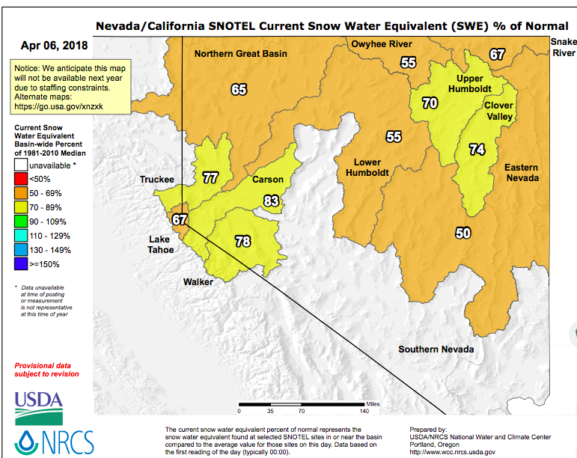
The Sierra Nevada’s snowpack has long been Nevada’s most reliable hydrological savings account, storing winter precipitation in frozen form to be released gradually during the dry months. This year, however, that account is nearly depleted. At 17% of the historical average, the snowpack is a shadow of its former self—a skeletal remnant of what once promised to replenish reservoirs and sustain hydroelectric generation. The implications are immediate: less snowmelt translates to reduced inflows into critical storage basins like Lake Mead and Lake Tahoe, both of which are already grappling with decades of overuse and climate-induced decline. The hydrological deficit isn’t just a statistic; it’s a harbinger of a new era where water scarcity becomes the default setting, forcing Nevada to confront the fragility of its water-dependent systems.
Hydroelectric Power: The Silent Casualty of Dwindling Flows
Nevada’s hydroelectric infrastructure, though not as dominant as in states like Washington or Oregon, still plays a pivotal role in its energy grid. Dams such as the Hoover Dam and smaller facilities along the Colorado River rely on consistent water flows to generate power. With snowpack at a fraction of its usual volume, these systems face a dual threat: reduced water volumes mean lower energy output, while the erratic timing of meltwater disrupts the predictable rhythms that power plants depend on. The result is a potential energy shortfall during peak demand periods, particularly in summer, when air conditioning strains the grid. Compounding the issue is the fact that hydroelectric power is often the most cost-effective and cleanest energy source available to Nevada. As its contribution wanes, the state may be forced to pivot toward more expensive and carbon-intensive alternatives, undermining its renewable energy goals.
Reservoirs: The Shrinking Oases in a Parched Landscape
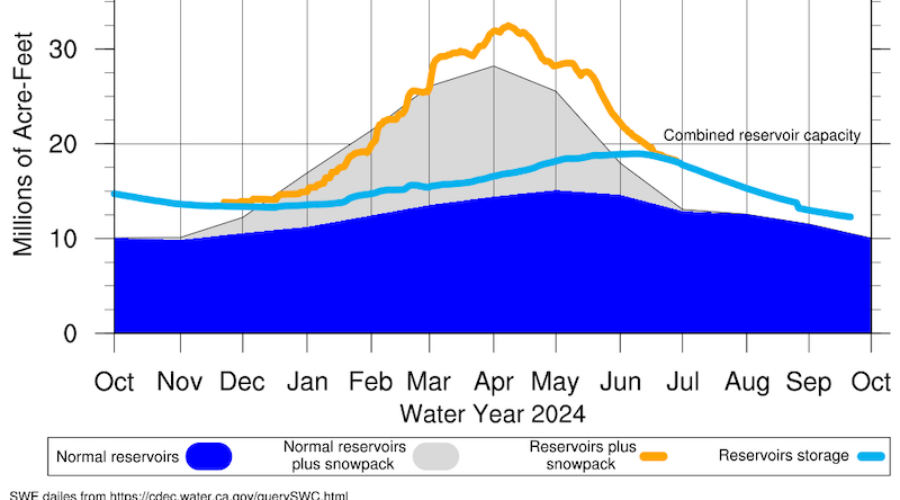
Reservoirs are the visible scars of Nevada’s water struggles, their shrinking shorelines a testament to the state’s hydrological plight. Lake Mead, the largest reservoir in the U.S., is a case in point. Fed primarily by snowmelt from the Colorado River Basin, its levels have plummeted in recent years, threatening water allocations for Nevada and its downstream neighbors. With a meager snowpack, the reservoir’s recovery will be sluggish at best, leaving little room for error in water management. The consequences are stark: stricter water rationing, potential cuts to agricultural and municipal supplies, and heightened tensions between states over dwindling resources. For Nevada, which relies on these reservoirs for everything from drinking water to irrigation, the stakes could not be higher. The era of abundance is over; the era of conservation has arrived.
Adaptation in the Face of Scarcity: A Call for Innovation
Faced with this hydrological reckoning, Nevada must embrace innovation or face the consequences of stagnation. The state’s response will likely hinge on diversifying its water sources, from expanding groundwater recharge programs to investing in water recycling and desalination technologies. On the energy front, the decline in hydroelectric power may accelerate the adoption of solar and wind energy, which Nevada has in abundance. However, the transition will not be seamless. Integrating intermittent renewable sources into the grid requires robust storage solutions and grid modernization, investments that demand both political will and financial commitment. The challenge is not just technical but cultural—shifting from a mindset of entitlement to one of stewardship, where every drop is valued and every kilowatt-hour is optimized.
The 17% snowpack is more than a statistic; it is a clarion call. It demands that Nevada confront the realities of a changing climate with urgency and ingenuity. The state’s reservoirs and hydroelectric power systems are not merely infrastructure—they are lifelines. Their decline is a warning, but it is also an opportunity to reimagine how Nevada secures its future. The choices made today will determine whether the state emerges as a leader in water resilience or a cautionary tale of what happens when scarcity is ignored. The snow may be melting, but the solutions are still within reach—if the will to act is present.