The Boring Company’s Legal Fight for Monorail Tracks in Las Vegas
The Boring Company’s audacious bid to carve out a subterranean future beneath the neon-lit sprawl of Las Vegas has collided with the city’s financial past. Once a gleaming symbol of urban ambition, the Las Vegas Monorail now stands as a relic of overreach, its tracks rusting under the desert sun while creditors and city officials grapple with its $1 billion debt. Enter Elon Musk’s infrastructure arm, which sees not a graveyard of failed transit dreams, but a blank canvas for innovation. The Boring Company’s proposal to repurpose the monorail’s elevated guideway for high-speed hyperloop tunnels is less a rescue mission than a legal land grab—one that pits corporate ambition against municipal sovereignty, and technological disruption against the inertia of bureaucratic precedent.
The Monorail’s Ascent and Fall: A Cautionary Tale of Urban Ambition
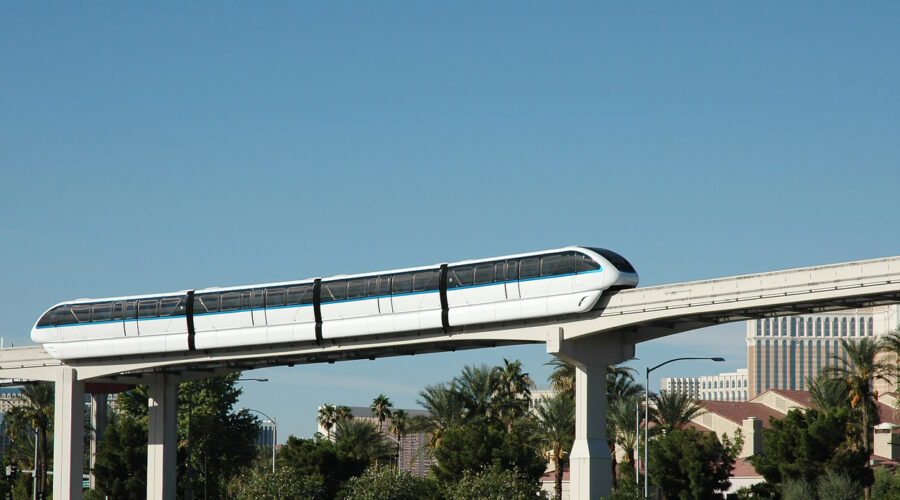
Conceived in the late 1990s as a panacea for Las Vegas’ traffic woes, the monorail was hailed as a marvel of modern engineering. Its sleek, elevated guideway snaked seven miles through the heart of the Strip, promising swift transit between casinos and convention centers. Yet, despite its futuristic design, the project was plagued by financial missteps from the outset. Overestimations of ridership, underwhelming corporate sponsorships, and the 2008 financial crisis left the monorail hemorrhaging cash. By 2020, it filed for bankruptcy, its once-proud tracks now a monument to hubris. The collapse wasn’t just financial; it was a cultural one, exposing the fragility of grand transit visions in a city where spectacle often trumps practicality.
The Boring Company’s High-Stakes Gamble: Hyperloop or High-Wire Act?
For The Boring Company, the monorail’s failure is an opportunity wrapped in litigation. The firm’s proposal to retrofit the existing guideway into a hyperloop tunnel system is a high-stakes gamble that hinges on two critical factors: legal access and technological feasibility. Hyperloop, with its vacuum-sealed tubes and near-supersonic speeds, represents the apotheosis of Musk’s vision for a 21st-century transit network. Yet, repurposing an abandoned monorail—designed for trains, not pods—presents engineering nightmares. Structural integrity, safety protocols, and the sheer audacity of retrofitting a system never intended for such use raise questions about whether this is innovation or folly. The legal battle, meanwhile, is a chess match where The Boring Company must navigate a labyrinth of municipal regulations, environmental reviews, and public opposition to secure the rights to the guideway.
The Legal Chessboard: Who Owns the Monorail’s Future?
The crux of the dispute lies in ownership. The monorail’s bankruptcy left its assets in limbo, with creditors, the city, and now The Boring Company all staking claims. The Boring Company argues that its proposal aligns with the original monorail’s purpose—transit—while offering a cutting-edge solution. Opponents, however, see a corporate land grab masquerading as progress. Legal experts anticipate a protracted battle over easements, eminent domain, and the interpretation of bankruptcy proceedings. The city’s reluctance to cede control over a public asset further complicates matters, as does the potential for public backlash against a project that could disrupt the Strip’s delicate ecosystem of tourism and commerce. This isn’t just a fight over steel and concrete; it’s a battle for the soul of Las Vegas’ urban identity.
Public Sentiment: Nostalgia vs. the Allure of the Future
Las Vegas is a city of contradictions, where the past and future collide in a cacophony of neon and steel. The monorail’s bankruptcy has left a scar on the city’s collective memory, a reminder of the perils of unchecked ambition. Yet, The Boring Company’s hyperloop proposal taps into a different narrative—one of reinvention and technological supremacy. Polls suggest a divided public, with younger residents and tech enthusiasts embracing the idea of a hyperloop-powered Strip, while older locals and preservationists mourn the loss of a once-beloved landmark. The debate transcends transit; it’s a referendum on whether Las Vegas should cling to its retrofuturistic charm or leap headfirst into a Silicon Valley-inspired tomorrow.
The Boring Company’s legal fight for the monorail’s tracks is more than a corporate power play—it’s a litmus test for the future of urban transit. If successful, it could redefine how cities repurpose obsolete infrastructure, proving that even the most spectacular failures can be reborn as phoenixes of progress. If it fails, the monorail’s rusting skeleton will stand as a warning: that in the race to innovate, the devil is always in the details. For Las Vegas, the stakes couldn’t be higher. The city’s identity has always been built on reinvention. Now, it must decide whether to double down on the past or bet everything on the next big thing.