Does Nevada Have a Water Management Problem After 17% Snowpack?
The specter of drought looms large over Nevada, a state where arid landscapes and urban sprawl collide in a delicate dance with water scarcity. Recent snowpack measurements reveal a troubling figure: just 17% of median levels, a stark reminder of the fragility of the region’s hydrological balance. This isn’t merely a statistical blip—it’s a harbinger of deeper systemic challenges. Water management in Nevada is not just an environmental concern; it’s an economic, social, and political tightrope, where every drop saved—or squandered—ripples across industries, communities, and future generations. To understand whether Nevada faces a water management crisis, we must dissect the layers of this issue, from the snowpack’s diminishing role to the intricate web of policies, conservation efforts, and technological innovations that shape the state’s water future.
The Vanishing Snowpack: A Harbinger of Hydrological Instability
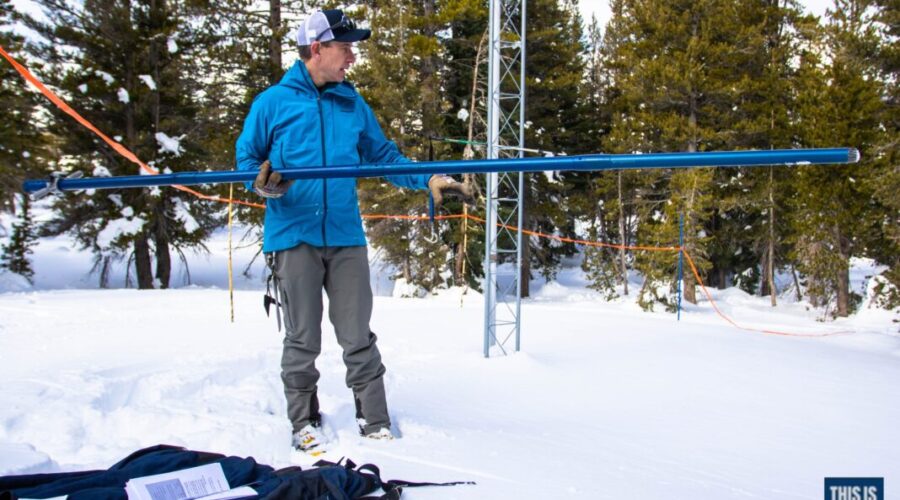
Snowpack, often hailed as nature’s reservoir, serves as a critical buffer against drought in the American West. In Nevada, where the Sierra Nevada and other mountain ranges feed the Colorado River and local aquifers, the snowpack’s decline is more than a seasonal anomaly—it’s a symptom of a broader climatic shift. The 17% figure isn’t an isolated incident; it reflects a decade-long trend of reduced snowfall, earlier melt cycles, and prolonged dry spells. When snowpack dwindles, the state’s water supply—reliant on snowmelt for nearly 70% of its annual inflow—becomes precariously unstable. This instability doesn’t just threaten agricultural output; it jeopardizes the very foundation of Nevada’s urban centers, where sprawling metropolises like Las Vegas and Reno depend on a fragile network of reservoirs and pipelines.
The Colorado River Conundrum: A Shared Crisis with No Easy Fixes
Nevada’s water woes are inextricably linked to the Colorado River, a lifeline that sustains seven states and Mexico. The river’s dwindling levels, exacerbated by over-allocation and climate change, have forced Nevada to confront its role in a regional crisis. The state’s reliance on the Colorado is undeniable—it provides roughly 90% of Southern Nevada’s water supply—but the river’s future is increasingly uncertain. Drought contingency plans, such as the 2019 agreements that mandated cuts in water usage, offer temporary reprieves but no long-term solutions. As Nevada grapples with its share of the river’s decline, the question isn’t just about conservation; it’s about reimagining how the state can adapt to a post-Colorado River reality, where every gallon counts and every policy decision carries interstate consequences.
Groundwater Depletion: The Silent Crisis Beneath Our Feet
While snowpack and surface water dominate headlines, Nevada’s groundwater reserves tell a quieter, yet equally dire, story. Over-pumping for agriculture, particularly in rural valleys like Diamond Valley and Railroad Valley, has led to alarming declines in aquifer levels. Unlike snowpack, which offers a visible metric of drought, groundwater depletion is a slow-motion catastrophe, often invisible until wells run dry. The Nevada State Engineer’s office has taken steps to regulate pumping, but enforcement is fraught with challenges. Agricultural interests, powerful and entrenched, often resist restrictions, while urban areas scramble to secure alternative sources. The tension between short-term economic needs and long-term sustainability underscores the complexity of groundwater management—a problem that won’t be solved by policy alone, but by a fundamental rethinking of how water is valued and allocated.
Urban Innovation: Can Las Vegas Lead the Way in Water Efficiency?
Amidst the gloom, Nevada’s urban centers offer a glimmer of hope. Las Vegas, in particular, has emerged as a global leader in water conservation, slashing its per capita water use by nearly 26% since 2002. The city’s strategies—from banning ornamental grass to recycling wastewater—demonstrate that innovation can outpace scarcity. Yet, even these successes have limits. The Southern Nevada Water Authority’s aggressive conservation measures have bought time, but they haven’t eliminated the need for new water sources. Projects like the proposed groundwater pipeline from eastern Nevada remain contentious, pitting environmentalists against developers and rural communities. The question for Las Vegas isn’t whether it can conserve its way to sustainability, but whether its model can be replicated across the state—or if the city’s success is an outlier in a region still struggling to break free from its water-intensive past.
The Political Labyrinth: Who Decides Nevada’s Water Future?
Water management in Nevada is as much a political battleground as it is an environmental challenge. The state’s water laws, rooted in the doctrine of prior appropriation, prioritize senior water rights holders—often agricultural interests—over newer claims. This legal framework, while designed to prevent chaos, has created a system where change is glacial and resistance to reform is fierce. Meanwhile, tribal nations, whose water rights were historically overlooked, are now asserting their claims with increasing vigor. The result is a patchwork of competing interests, where urban growth, tribal sovereignty, agricultural needs, and environmental protections collide. Navigating this labyrinth requires not just technical solutions, but political will—a commodity as scarce as water itself in Nevada’s polarized landscape.
The 17% snowpack isn’t just a statistic; it’s a wake-up call. Nevada stands at a crossroads, where the choices made today will echo for decades. The path forward demands more than incremental fixes—it requires a paradigm shift in how water is perceived, managed, and shared. From the snow-capped peaks of the Sierra to the parched valleys of the Great Basin, the state’s water future hangs in the balance. The question isn’t whether Nevada has a water management problem, but whether it has the resolve to solve it before the next drought turns the crisis into a catastrophe.