Is the Las Vegas monorail closing? It will be integrated into The Loop
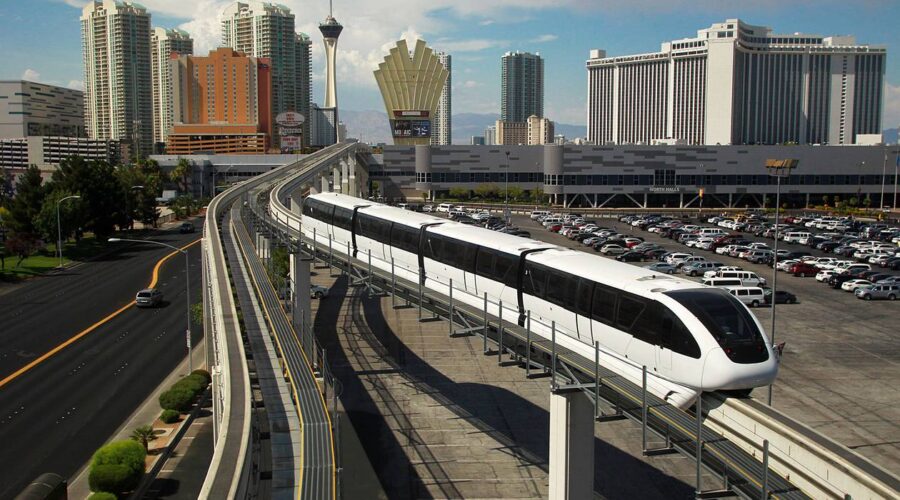
The Las Vegas monorail, a gleaming artery of steel and glass threading through the neon heart of the city, has long been a symbol of the Strip’s relentless innovation. Yet whispers have begun to circulate—is this iconic transit system on the brink of obsolescence? The answer, as it turns out, is far more transformative than a simple closure. The monorail is not vanishing; it is evolving, poised to merge seamlessly into a grander vision known as The Loop, a project that promises to redefine urban mobility in Las Vegas.
The Monorail’s Legacy: A Brief Chronicle of Steel and Speed
Since its debut in 2004, the Las Vegas monorail has ferried millions of passengers along a 3.9-mile elevated track, connecting key destinations like the MGM Grand, Bellagio, and Sahara. Its sleek, futuristic design once epitomized the city’s ambition, offering a reprieve from the congestion of taxis and rideshares. Yet, as Las Vegas continues to sprawl and reinvent itself, the monorail’s limitations have become increasingly apparent. Its fixed route, limited capacity, and lack of integration with other transit systems have left it struggling to keep pace with the city’s dynamic growth. The monorail was never meant to be static—it was a stepping stone toward something greater.
The Loop: A Paradigm Shift in Urban Transit
Enter The Loop, a bold and ambitious project spearheaded by Elon Musk’s The Boring Company. Unlike the monorail’s single, elevated track, The Loop envisions a network of underground tunnels, accommodating autonomous electric vehicles traveling at high speeds. This subterranean labyrinth will stretch beyond the Strip, connecting critical hubs like the Las Vegas Convention Center, Resorts World, and Harry Reid International Airport. The monorail, rather than being discarded, will be integrated into this larger ecosystem, its elevated tracks serving as a vital link in a multi-modal transit network. The shift is not about abandonment but about synergy—transforming the monorail from a standalone attraction into a cog in a more efficient, interconnected machine.
Why Integration Over Obsolescence?
The decision to integrate the monorail into The Loop is rooted in pragmatism. Las Vegas thrives on spectacle, but it also demands functionality. The monorail’s existing infrastructure, though limited, remains a valuable asset. By repurposing its elevated tracks, The Loop can leverage a proven transit corridor while minimizing the environmental and financial costs of constructing entirely new routes. Moreover, this integration ensures continuity for commuters who have long relied on the monorail, preserving a sense of familiarity amid sweeping changes. The Loop’s underground tunnels will handle high-speed, high-volume traffic, while the monorail can focus on shorter, intra-Strip journeys, creating a balanced and efficient system.
The Future of Las Vegas Transit: What Lies Ahead
For residents and visitors alike, the transition to The Loop represents more than just a technological upgrade—it signals a fundamental shift in how Las Vegas moves. Imagine gliding effortlessly from the airport to your Strip hotel via autonomous pods, then hopping onto the monorail for a leisurely tour of the casinos, all without ever stepping into a car. The Loop’s potential extends beyond convenience; it could reduce traffic congestion, lower emissions, and even alleviate the city’s notorious parking woes. Yet, challenges remain. Public skepticism, regulatory hurdles, and the sheer scale of the project demand careful execution. The monorail’s integration is not a fait accompli but a promise—a testament to Las Vegas’ enduring ability to reinvent itself.
As the sun sets over the Strip, casting long shadows across the monorail’s gleaming tracks, one thing is clear: this is not an ending, but a metamorphosis. The Las Vegas monorail is shedding its old skin to become something even more extraordinary. The Loop is not just a new transit system; it is a declaration that Las Vegas will continue to lead, innovate, and redefine the boundaries of urban living. The question is no longer whether the monorail is closing, but how its legacy will shape the city’s future. And for those who dare to look beyond the horizon, the answer is as dazzling as the lights of the Strip itself.