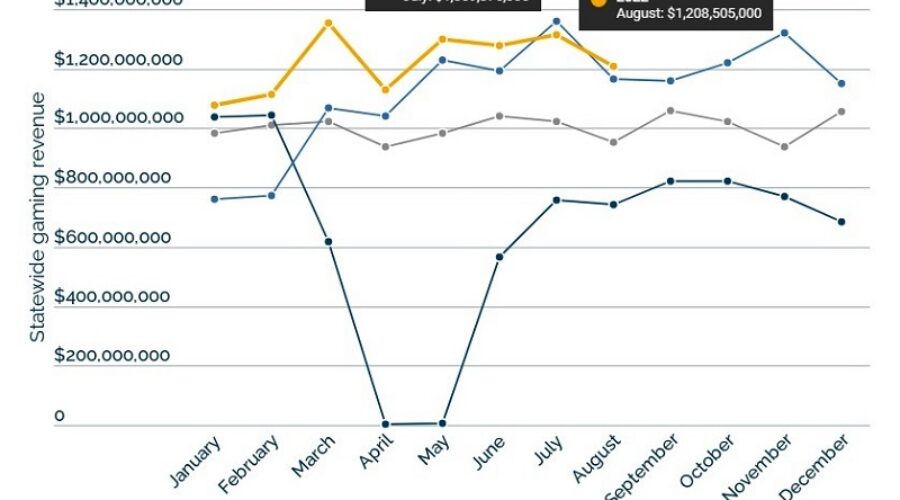
Nevada Gaming Revenue Is Down 6.6%: Is the Party Over?
The neon glow of Las Vegas has long symbolized the unbridled exuberance of the American gaming industry, where fortunes are made and lost with the roll of a dice or the pull of a lever. Yet, recent figures suggest that the party may be winding down. Nevada’s gaming revenue has dipped by 6.6%, a stark reminder that even the most glittering industries are not immune to the tides of economic change. This decline isn’t merely a blip on the radar; it’s a signal that the foundations of Nevada’s gaming empire—once unassailable—are now being tested by shifting consumer behaviors, regulatory pressures, and the relentless march of technological disruption. For investors, policymakers, and casual observers alike, the question lingers: Is this the beginning of the end for Nevada’s gaming dominance, or merely a temporary setback in an otherwise unstoppable trajectory?
The Strip’s Shrinking Fortunes: A Cautionary Tale
The Las Vegas Strip, the beating heart of Nevada’s gaming industry, has long been the poster child for high-stakes glamour and extravagant returns. Yet, the 6.6% revenue decline casts a long shadow over this iconic corridor. The culprits? A confluence of factors, from the post-pandemic hangover—where pent-up demand has waned—to the rise of alternative entertainment options that lure visitors away from the casino floor. High inflation and rising operational costs have also squeezed profit margins, forcing operators to rethink their strategies. The Strip’s once-unchallenged allure is now facing competition from destinations like Macau, where gaming revenues have rebounded with vigor, and from digital platforms that offer gaming without the overhead of physical casinos. The question isn’t whether the Strip can recover, but whether it can adapt before the cracks become unbridgeable.
Beyond the Tables: The Diversification Dilemma
Nevada’s gaming industry has long relied on a narrow revenue stream—slots, table games, and high-roller baccarat. But the 6.6% decline underscores the fragility of this model. In response, operators are scrambling to diversify, pouring billions into non-gaming attractions like luxury resorts, fine dining, and entertainment spectacles. Yet, diversification is a double-edged sword. While it can insulate against gaming downturns, it also demands massive capital outlays and a shift in corporate culture—from gaming-centric to experience-driven. The challenge lies in striking a balance: how much to invest in diversification without diluting the very essence that made Nevada a gaming mecca in the first place. For now, the jury is out on whether this pivot will pay off or merely delay the inevitable.
The Regulatory Gauntlet: A Burden or a Safeguard?
Nevada’s gaming industry operates under one of the most stringent regulatory frameworks in the world. While regulations are designed to ensure fairness and integrity, they also impose significant compliance costs and operational constraints. The 6.6% revenue decline has reignited debates about whether the state’s regulatory environment has become too onerous, stifling innovation and driving business elsewhere. Critics argue that Nevada’s licensing fees, taxes, and reporting requirements are out of sync with more agile jurisdictions. Meanwhile, proponents of the current system contend that it’s the very reason Nevada’s gaming industry has maintained its reputation for transparency and trust. The tension between regulation and competitiveness is not new, but the current revenue dip has sharpened the focus on whether Nevada’s rules are a safeguard or a shackle.
Technology’s Double-Edged Sword: Innovation vs. Disruption
The rise of online gaming, mobile sports betting, and cryptocurrency casinos has transformed the global gaming landscape. For Nevada, a state synonymous with brick-and-mortar casinos, this technological wave presents both an opportunity and a threat. On one hand, embracing digital innovation could open new revenue streams and attract a younger, tech-savvy demographic. On the other, it risks cannibalizing traditional gaming revenues and eroding the unique allure of the casino experience. The state’s slow adoption of online gaming regulations—long criticized as lagging behind other states—has only exacerbated the problem. Nevada’s gaming industry must now confront a stark reality: adapt or risk obsolescence in an era where the casino floor is no longer the sole battleground for players’ attention.
The Human Factor: Labor Shortages and the Cost of Doing Business
Behind every slot machine and poker table is a workforce that keeps the industry humming. Yet, Nevada’s gaming sector is grappling with a severe labor shortage, exacerbated by the pandemic and the Great Resignation. Dealers, pit bosses, and hospitality staff are in short supply, driving up wages and forcing operators to rethink staffing models. The cost of labor, already a significant expense, is now a critical vulnerability. Some casinos are turning to automation, deploying AI-driven customer service tools and robotic dealers to fill the gaps. While this may alleviate short-term pressures, it risks alienating the human touch that has long been a hallmark of the Nevada gaming experience. The industry’s ability to navigate this labor crisis will determine whether it can maintain its competitive edge or succumb to the pressures of a tightening labor market.
The 6.6% decline in Nevada’s gaming revenue is more than a statistical anomaly; it’s a wake-up call. The industry stands at a crossroads, where the choices made today will shape its destiny for decades to come. Will Nevada’s gaming titans double down on diversification, regulatory reform, and technological innovation? Or will the state’s once-unassailable dominance fade into the annals of history? One thing is certain: the party is far from over, but the music is slowing down. The question is whether Nevada will learn to dance to a new rhythm—or be left behind.