The Future of Work in Nevada Casinos: Retraining for AI is an Opportunity
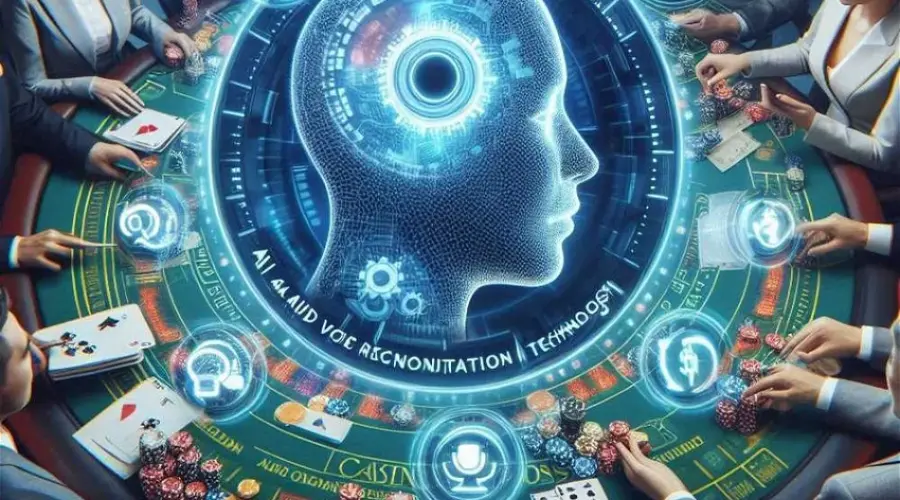
In the neon-lit sprawl of Nevada’s casino floors, where the clink of chips and the hum of slot machines once defined the rhythm of work, a quiet revolution is underway. The specter of artificial intelligence no longer lurks in the shadows of sci-fi speculation—it has arrived, reshaping the very foundations of employment in one of the world’s most iconic industries. For decades, Nevada’s casinos thrived on human intuition, hospitality, and the art of chance. Yet as algorithms grow more sophisticated, the question isn’t whether AI will transform these workplaces, but how workers and employers will adapt to a future where machines augment rather than replace human ingenuity. Retraining for AI isn’t just a necessity; it’s an unprecedented opportunity to redefine what it means to work in a casino.
The Automation Paradox: Where Fear Meets Opportunity
It’s easy to envision a dystopian future where AI-driven kiosks replace dealers, chatbots handle customer inquiries, and predictive analytics dictate staffing levels with cold precision. The fear is palpable: that technology will render human roles obsolete, leaving a trail of displaced workers in its wake. Yet this narrative overlooks a critical truth—automation doesn’t eliminate jobs; it reconfigures them. Nevada’s casinos have always been engines of reinvention, from the rise of themed resorts to the integration of digital gaming. AI presents a similar inflection point, one that demands a shift from resistance to adaptation. The casinos that thrive will be those that recognize retraining not as a burden, but as a strategic investment in their most valuable asset: their workforce.
From Dealers to Data Stewards: Redefining Casino Roles
The dealer of tomorrow won’t just shuffle cards—they’ll interpret data. AI can handle routine transactions, but it cannot replicate the nuanced understanding of human behavior that defines exceptional service. Dealers who transition into “guest experience architects” could leverage AI tools to personalize interactions, using predictive analytics to anticipate a player’s preferences before they even sit down at the table. Similarly, pit bosses might evolve into “risk orchestrators,” using AI-driven insights to mitigate fraud while preserving the human touch that keeps patrons loyal. Even housekeeping and maintenance roles can be elevated through AI-assisted predictive maintenance, where sensors and machine learning preemptively address issues before they disrupt operations. The key lies in reimagining roles not as static positions, but as dynamic careers that grow alongside technological advancements.
The Learning Curve: Upskilling in an AI-Augmented Workplace
Retraining isn’t a one-size-fits-all endeavor. Nevada’s casino workforce spans generations, from lifelong dealers to tech-savvy millennials. Bridging this gap requires tailored programs that cater to diverse skill levels. Community colleges and industry partnerships can offer micro-credentials in AI literacy, data analysis, and human-machine collaboration. For example, a bartender might learn to use AI-powered inventory systems to optimize drink offerings, while a surveillance operator could master anomaly detection algorithms to enhance security. The goal isn’t to turn every employee into a coder, but to cultivate a workforce fluent in the language of AI—able to work alongside machines, not in competition with them. Employers must also address the psychological barriers to retraining, fostering a culture where learning is celebrated rather than feared.
The Ripple Effect: How AI Reshapes the Entire Ecosystem
The impact of AI extends beyond individual roles—it transforms the entire economic and social fabric of Nevada. As casinos adopt AI, they’ll need a new breed of professionals: data scientists to refine algorithms, cybersecurity experts to safeguard systems, and ethicists to ensure fairness in automated decisions. Local businesses, from restaurants to retail shops, will also feel the ripple, as a tech-savvy workforce drives broader economic growth. Moreover, AI can democratize access to the casino industry, creating pathways for underrepresented groups to enter high-skilled roles that were previously inaccessible. The challenge isn’t just technological; it’s societal. Nevada must ensure that the benefits of AI-driven transformation are shared equitably, preventing a widening gap between those who adapt and those left behind.
The future of work in Nevada’s casinos isn’t a cautionary tale—it’s a canvas. AI isn’t the enemy of human employment; it’s the catalyst for a more dynamic, innovative, and resilient industry. The casinos that seize this moment will not only survive the AI revolution—they’ll redefine it. For workers, retraining is more than a survival tactic; it’s a gateway to careers that blend tradition with cutting-edge technology. The neon lights of the Strip may still flicker, but the future they illuminate will be brighter, smarter, and unmistakably human.