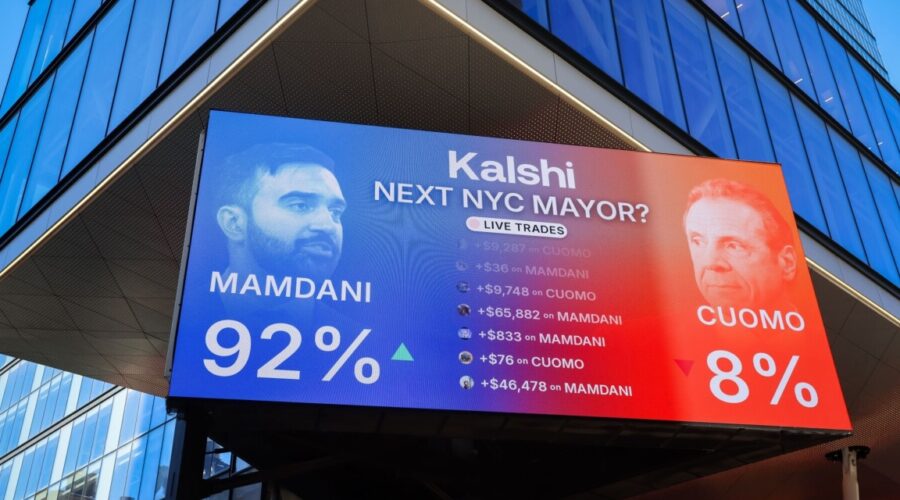
Kalshi’s Ads Are a Slap in the Face to Nevada Gaming Laws
In the labyrinthine world of gaming regulation, where statutes are etched in ink and tradition, Kalshi’s recent advertising blitz feels less like a calculated business maneuver and more like a deliberate provocation. The company’s aggressive push to normalize its platform in Nevada—a state with gaming laws as rigid as they are revered—has sent ripples through the industry. To observers, it’s not just another corporate gambit; it’s a brazen challenge to the very foundations of Nevada’s regulatory framework. The question isn’t whether Kalshi can succeed in bending the rules, but whether the state will tolerate such audacity in the name of innovation.
### The Illusion of Compliance
At first glance, Kalshi’s advertisements may appear as innocuous as any other corporate campaign. Yet, beneath the polished veneer lies a glaring contradiction. Nevada’s gaming laws are not merely guidelines; they are sacred covenants, designed to protect both the industry and its patrons from exploitation. Kalshi’s insistence on operating within this space—despite its classification as a prediction market rather than a traditional sportsbook—feels like a sleight of hand. The company argues that its offerings fall outside the purview of gaming regulations, but the sheer volume of its advertising suggests otherwise. It’s a paradox: a business that claims to be exempt from the rules it so aggressively markets within.
### The Regulatory Gordian Knot
Nevada’s gaming regulators are no strangers to innovation. They have navigated the rise of online poker, the proliferation of mobile betting, and the integration of cryptocurrency into gaming platforms. Yet Kalshi’s model presents a unique conundrum. Unlike traditional sportsbooks, which operate under the watchful eyes of the Nevada Gaming Control Board, Kalshi’s prediction markets blur the line between gambling and financial speculation. This ambiguity is not a flaw in the system; it’s a feature. Regulators are left grappling with a platform that doesn’t fit neatly into existing frameworks, forcing them to confront uncomfortable questions about the future of gaming regulation itself.
### The Psychology of Provocation
There’s an undeniable allure to Kalshi’s defiance. In an industry where conformity is the price of entry, the company’s willingness to challenge the status quo is intoxicating. It taps into a deeper fascination with disruption—the idea that rules are meant to be bent, if not broken. For consumers, the appeal is immediate: a chance to engage with gaming in a way that feels fresh, unburdened by the weight of tradition. But beneath the surface, there’s a darker undercurrent. Kalshi’s advertising isn’t just about selling a product; it’s about selling a philosophy. It’s a declaration that the old ways are obsolete, and that the future belongs to those bold enough to seize it—regardless of the consequences.
### The Stakes for Nevada
Nevada’s gaming industry is a $15 billion behemoth, a testament to decades of careful regulation and strategic growth. The state’s reputation as the gold standard of gaming oversight is not just a point of pride; it’s a competitive advantage. Kalshi’s incursion threatens to erode that reputation, not by outmaneuvering the regulators, but by forcing them to confront a reality they may not be prepared for. If the company succeeds in carving out a niche within Nevada’s gaming landscape, it could set a precedent that reverberates far beyond the state’s borders. Other jurisdictions may follow suit, emboldened by the idea that gaming laws are flexible enough to accommodate even the most unconventional business models.
### The Unspoken Contract
At its core, Nevada’s gaming industry is built on a social contract: in exchange for the privilege of operating within the state, companies agree to play by the rules. Kalshi’s advertising campaign feels like a breach of that contract—a reminder that the rules are not as immutable as they seem. The company’s actions suggest a belief that innovation should take precedence over tradition, that the ends justify the means. But in a state where gaming is woven into the fabric of the economy, such a philosophy carries risks. It’s not just about whether Kalshi can win its legal battles; it’s about whether Nevada is willing to rewrite the terms of its own success.
The allure of Kalshi’s defiance is undeniable, but the consequences are far from certain. As the company’s advertisements continue to saturate the airwaves, one thing is clear: the battle for the future of Nevada’s gaming industry has only just begun.