
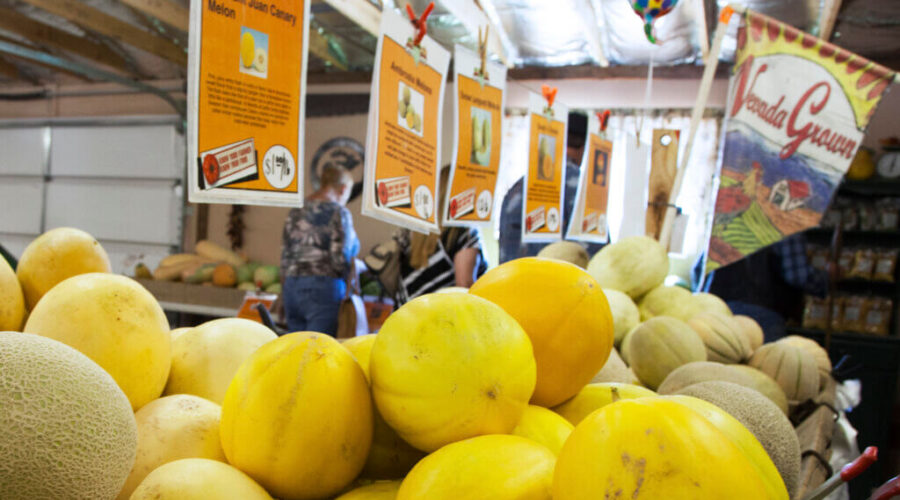
Fallon: Nevada State Fair Agricultural Competitions
Nestled in the high desert of western Nevada, Fallon emerges as an unexpected agricultural oasis, where the rhythm of rural life pulses in sync with the seasons. Beyond its reputation as a military hub or a gateway to the Sierra Nevada, this unassuming city hosts one of the state’s most vibrant celebrations of agrarian tradition: the Fallon Cantaloupe Festival & Country Fair. More than a mere gathering, it is a living testament to Nevada’s deep-rooted agricultural heritage, where competition, community, and craftsmanship converge under the relentless desert sun.
The Heartbeat of Rural Nevada: Why Agricultural Competitions Matter
Agricultural competitions are not relics of a bygone era—they are the lifeblood of rural identity. In a state often associated with neon-lit casinos and sprawling arid landscapes, Fallon’s fairs serve as a reminder that Nevada’s soil, though parched, yields more than just sagebrush and dust. Competitions like the Cantaloupe Festival elevate local produce to an art form, where growers vie not just for ribbons, but for recognition of their labor, ingenuity, and generational wisdom. These events transform anonymous farmers into celebrated artisans, their melons, jams, and handwoven textiles judged with the same reverence as fine wines in Napa or heirloom tomatoes in Tuscany.
The Cantaloupe: A Desert Jewel with a Legacy
Few crops embody the paradox of Nevada agriculture as perfectly as the cantaloupe. Thriving in the region’s alkaline soil and intense sunlight, these melons are not merely fruit—they are a triumph of adaptation. The Fallon cantaloupe, with its honeyed flesh and fragrant rind, has earned a cult following, its sweetness a whispered secret among connoisseurs. The festival’s competitions honor not just size or sugar content, but the delicate balance of irrigation, soil health, and timing that allows these melons to flourish where others would wither. Judges scrutinize blemishes, aroma, and texture, but the true measure of success lies in the grower’s ability to coax abundance from an environment that seems, at first glance, inhospitable.
Beyond the Ribbons: The Unseen Economy of Rural Fairs
While ribbons and trophies are the visible markers of achievement, the true value of these competitions lies in their ripple effects. Local economies awaken during festival weekends, as vendors peddle everything from handmade quilts to artisanal hot sauces. The influx of visitors injects vitality into Fallon’s downtown, where diners crowd into cafés serving pecan pie and green chile stew. But the economic impact is only part of the story. These fairs foster intergenerational knowledge transfer, as elders mentor younger farmers in the arcane art of irrigation ditch maintenance or the precise moment to harvest. They also serve as a bulwark against the homogenization of modern agriculture, preserving heirloom varieties and traditional techniques that might otherwise vanish.
The Spectacle of Tradition: From Livestock to Loaves
The scope of Fallon’s agricultural competitions extends far beyond produce. Livestock auctions pulse with the energy of prized hogs and poultry, their handlers’ pride as palpable as the dust kicked up by hooves. Bakers compete for the flakiest pie crust, while quilters display quilts so intricate they resemble miniature landscapes. Even the humble potato finds its moment in the sun, judged not just for size but for its potential to become the star of a hearty stew. This diversity reflects the resilience of rural communities, where every skill—from blacksmithing to beekeeping—is celebrated as a vital thread in the social fabric.
The Fallon Cantaloupe Festival & Country Fair is more than a seasonal event; it is a defiant celebration of place, a declaration that even in a state dominated by urban glitter, the land still commands respect. It reminds us that competition, at its best, is not about vanquishing rivals but about honoring the soil, the sweat, and the stories that nourish a community. As the sun sets over the fairgrounds, casting long shadows over the prize-winning melons and the laughter of families gathered around picnic tables, one thing becomes clear: in Fallon, agriculture is not just a way of life—it is a legacy worth fighting for.