Lake Tahoe’s 17% Snowpack: Before and After Photos
Nestled in the granite embrace of the Sierra Nevada, Lake Tahoe has long been a sentinel of the West’s hydrological fortunes. Its shimmering expanse, a mirror to the sky’s moods, now reflects a stark transformation—one that speaks volumes about the region’s shifting climate. The latest snowpack measurements reveal a sobering truth: a mere 17% of the historical average blankets the basin. These numbers, stark in their simplicity, conceal a narrative of resilience and reckoning, best captured not in spreadsheets, but in the silent dialogue between before and after photographs.
The Vanishing Blanket: A Visual Elegy
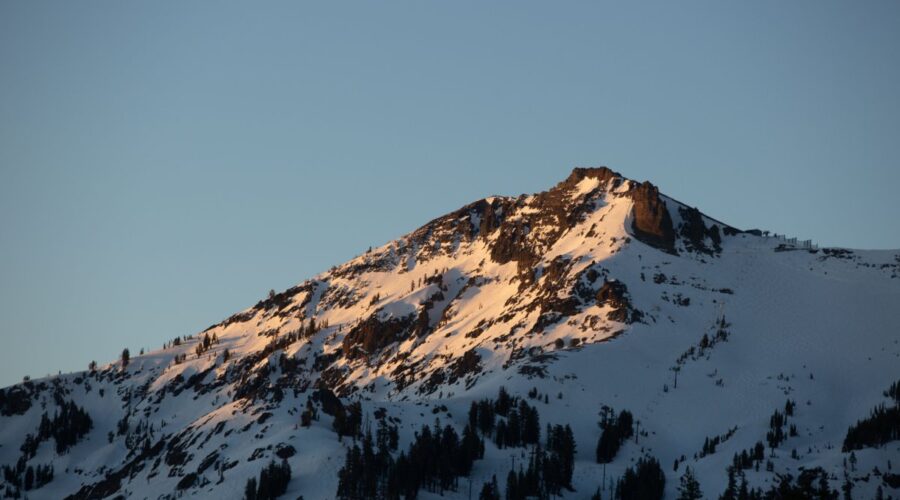
The stark contrast between past and present is most visceral in the stark, unadorned imagery of Tahoe’s snowpack. In images from just a few years prior, the mountainside appears draped in a thick, unbroken mantle of white, its contours softened by the snow’s generous embrace. The trees, once mere silhouettes against the horizon, now stand exposed, their branches clawing at the air like skeletal fingers. The lake itself, usually fringed by a pristine white collar, now laps against barren shores, its surface a somber reminder of what once was.
These photographs are not merely records; they are relics of a fleeting epoch. The absence of snow is not just a seasonal anomaly—it is a harbinger, a visual testament to the accelerating pace of environmental change. The starkness of the imagery forces an uncomfortable confrontation with reality: the snowpack, a critical reservoir for the region’s water supply, is dwindling at an alarming rate.
The Hydrological Pulse: Why Snowpack Matters
Beneath the aesthetic shock of the images lies a deeper, more urgent story—one of hydrological consequence. Snowpack is the lifeblood of the Tahoe Basin, a natural reservoir that melts gradually through the spring and summer, replenishing streams, lakes, and aquifers. When snowpack is scant, as it is now, the repercussions ripple through the ecosystem. Streams run lower, groundwater tables recede, and the delicate balance of the basin’s flora and fauna is thrown into disarray.
The 17% figure is not just a statistic; it is a canary in the coal mine. It signals a future where water scarcity becomes a perennial concern, where the once-reliable rhythm of snowmelt is replaced by erratic, unpredictable patterns. The implications are profound: agriculture, tourism, and even the basic functioning of local communities hang in the balance. Tahoe’s snowpack is not merely a seasonal spectacle—it is the cornerstone of the region’s ecological and economic stability.
The Invisible Forces: Climate Change and Human Impact
While the photographs lay bare the consequences, the roots of this transformation lie in the invisible forces reshaping the planet. Climate change, driven by human activity, has altered the delicate equilibrium of the Sierra Nevada. Rising temperatures have shortened the snow season, while shifting precipitation patterns have left the mountains parched. The snow that does fall is often wetter and heavier, a fleeting substitute for the deep, enduring drifts of yesteryear.
Human activity compounds the issue. Urbanization, deforestation, and the relentless march of development have fragmented habitats and disrupted natural water cycles. The Tahoe Basin, once a pristine wilderness, now bears the scars of progress—roads carving through forests, shorelines encroached upon by man-made structures, and the ever-present specter of pollution. The snowpack’s decline is not merely a natural phenomenon; it is a mirror held up to humanity’s relationship with the environment.
The Resilience of Tahoe: A Call to Action
Yet, within the starkness of the images, there is a flicker of hope. Tahoe’s story is not one of inevitable decline, but of resilience and adaptation. Communities around the basin are rallying to protect its fragile ecosystem. Conservation efforts, reforestation projects, and sustainable water management practices are gaining traction, offering a blueprint for how humans can coexist with nature rather than exploit it.
The photographs, in their unflinching honesty, serve as a catalyst for change. They compel us to ask: What kind of future do we want for Tahoe? Do we accept the slow unraveling of its natural wonders, or do we rise to the challenge of preserving them? The answers lie not in the past, but in the choices we make today. The snowpack may be diminished, but the spirit of Tahoe endures—a reminder that even in the face of adversity, there is always room for renewal.
The lake’s surface, once a canvas of pristine white, now reflects a more complex reality. It is a reality of loss, but also of possibility. The before and after photographs are not just a record of what has been lost; they are a call to action, a plea to rewrite the next chapter of Tahoe’s story with wisdom, foresight, and respect for the natural world.