Nevada Snowpack 2026: Worst in History for Lake Tahoe Basin?
Could the winter of 2026 etch its name into the annals of Lake Tahoe’s hydrological history as the most parched in recorded memory? As the Sierra Nevada’s snowpack—once a towering, crystalline fortress—faces the specter of unprecedented decline, the Lake Tahoe Basin braces for a cascade of consequences that ripple far beyond its shimmering shores. The stakes are high, the implications dire, and the clock is ticking. What happens when the snow that once blanketed these peaks like a protective quilt vanishes, leaving behind a landscape starved for moisture?
The Vanishing Crown: Snowpack’s Precarious Plight
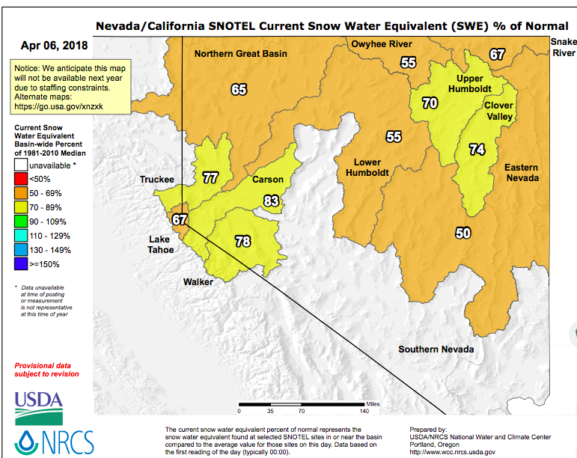
The snowpack, that storied reservoir of winter’s bounty, is more than just a picturesque blanket—it’s the lifeblood of the Tahoe Basin. By April, the Sierra Nevada typically cradles a snowpack that stores roughly 60% of the region’s annual water supply. Yet, projections for 2026 paint a grim tableau: a snowpack that could dwindle to a fraction of its historical norm, a victim of relentless warming trends and erratic precipitation patterns. Scientists warn that rising temperatures may shift the delicate balance between snow and rain, leaving the mountains bereft of their winter crown. Without this frozen reservoir, the basin’s rivers, streams, and aquifers face a slow, creeping dehydration.
Echoes of Drought: A Basin on the Brink
The specter of drought looms larger than ever. Lake Tahoe’s famed clarity, already challenged by invasive species and warming waters, could further degrade as inflows dwindle. Lower water levels may expose shorelines, disrupting ecosystems and amplifying the threat of wildfires that thrive in tinder-dry conditions. The basin’s flora and fauna, from the hardy Jeffrey pines to the elusive Lahontan cutthroat trout, could find their habitats shrinking, their survival hinging on a dwindling lifeline. Even the region’s famed winter sports economy—built on powdery slopes and bustling resorts—may face a reckoning, as ski seasons shorten and snowmaking becomes a Sisyphean task.
The Human Equation: Communities in the Crosshairs
For the communities nestled around Tahoe’s azure expanse, the stakes are personal. Municipalities reliant on snowmelt for drinking water may confront rationing and conservation measures, while agricultural interests downstream could see their yields wither under parched skies. Tourism, the lifeblood of the local economy, may pivot toward a summer-centric model, leaving winter-dependent businesses scrambling to adapt. The psychological toll is palpable too—residents and visitors alike may grapple with the loss of a seasonal rhythm that has defined life in the basin for generations. Can a place that once thrived under a mantle of snow reinvent itself without it?
Adaptation in the Face of Uncertainty
Yet, where there is challenge, there is also ingenuity. Water managers are exploring innovative strategies, from expanding groundwater recharge projects to investing in desalination and wastewater recycling. Forest management practices aim to curb the spread of wildfires, while conservation efforts seek to protect the basin’s fragile ecosystems. The question is whether these measures can outpace the relentless march of climate change. Can the Tahoe Basin, a jewel of the Sierra, pivot from a snow-dependent past to a resilient future?
The winter of 2026 may yet serve as a crucible, testing the mettle of a region at the nexus of natural beauty and environmental fragility. As the snowpack’s future hangs in the balance, one thing is clear: the choices made today will echo through the decades, shaping not just the fate of Lake Tahoe, but the very identity of a landscape that has captivated hearts for centuries. The question lingers, unanswered but urgent—will 2026 be remembered as the year the snow disappeared, or the year the basin rose to meet the challenge?