
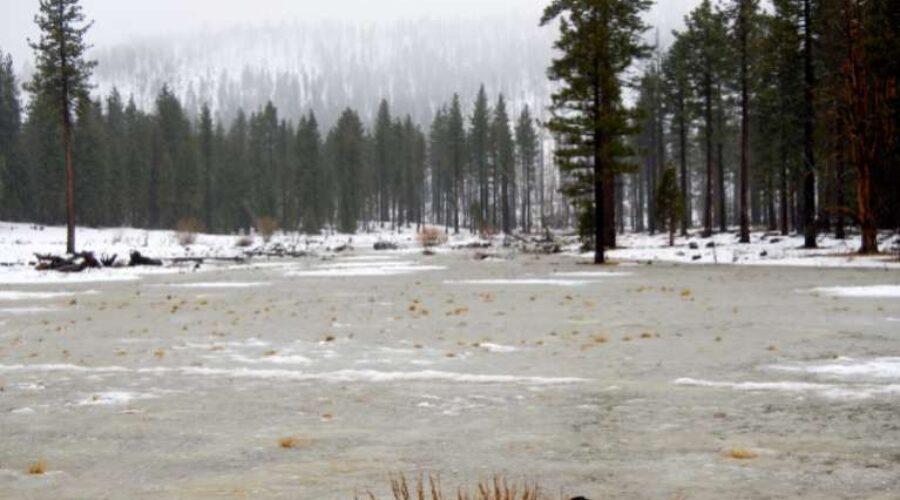
Comparing Nevada’s 17% Snowpack to Historic Droughts in Lake Tahoe
The Sierra Nevada’s snowpack, Nevada’s lifeblood, stands at a mere 17% of its historical average this winter—a stark contrast to the alpine reservoirs of memory. For those who recall the snow-laden winters of yesteryears, this season feels less like a fleeting anomaly and more like a harbinger of a new ecological normal. The Lake Tahoe Basin, a jewel nestled between Nevada and California, has long been a barometer of regional climate shifts. Yet, the current snowpack deficit isn’t just another blip on the radar; it’s a clarion call, a silent scream from the mountains that refuses to be ignored. What does this dramatic reduction mean for the region’s water supply, ecosystems, and the very identity of a place where winter once reigned supreme?
The Vanishing White Mantle: A Crisis of Proportions
The snowpack’s decline isn’t merely a statistical footnote—it’s a cascading domino effect with implications that stretch far beyond the ski slopes. At 17%, Nevada’s snowpack is a shadow of its former self, a fraction of the robust blankets that once insulated the land from drought’s relentless grip. This isn’t just about shorter ski seasons or fewer powder days; it’s about the slow unraveling of a hydrological system that has sustained life for generations. The snowpack, often called the “frozen reservoir,” acts as a natural water tower, storing precipitation in solid form to be released gradually during the warmer months. When that reservoir dwindles, the consequences are as predictable as they are dire: reduced streamflows, depleted groundwater reserves, and a heightened risk of wildfires that scorch the landscape with unnerving frequency.
Echoes of the Past: Lessons from Historic Droughts
To understand the gravity of the current situation, one must look to the past—not with nostalgia, but with a critical eye. Lake Tahoe has weathered droughts before, but the patterns of the 21st century are distinct in their ferocity and persistence. The droughts of the late 20th century, though severe, were episodic, allowing ecosystems and communities time to recover. Today’s arid spells, however, are part of a longer, more insidious trend, one where the intervals between wet years grow shorter and the dry years stretch longer. The 17% snowpack isn’t an isolated incident; it’s a symptom of a broader climatic shift that demands a reevaluation of how we manage water, land, and even our expectations of what a “normal” winter should look like.
The Ecological Ripple Effect: Beyond the Snowline
The impact of a diminished snowpack extends far beyond the visible. Aquatic ecosystems, already teetering on the edge of imbalance, face existential threats as water temperatures rise and flows dwindle. The Lahontan cutthroat trout, a species once teeming in Tahoe’s tributaries, now clings to survival in fragmented habitats. Meanwhile, the alpine meadows, those vibrant tapestries of wildflowers and grasses, are losing their resilience, their soils drying out and their biodiversity waning. Even the air feels different—drier, heavier with the weight of impending change. The snowpack isn’t just a resource; it’s a keystone, and its erosion sends shockwaves through the entire ecological web.
Adaptation in the Face of Uncertainty
Yet, where there is crisis, there is also opportunity. The stark reality of Nevada’s 17% snowpack has forced a reckoning, one that could spur innovation and resilience. Water managers are exploring aquifer recharge projects, farmers are adopting drought-resistant crops, and communities are reimagining their relationship with water. The Lake Tahoe Basin, with its blend of natural beauty and human ingenuity, is uniquely positioned to lead this charge. From restoring wetlands to implementing cutting-edge irrigation techniques, the region is becoming a laboratory for adaptation. The question isn’t whether change is coming—it’s whether we can meet it with the same determination that has defined Tahoe’s spirit for centuries.
The snowpack’s decline is more than a statistic; it’s a narrative unfolding in real time, a story of loss, adaptation, and the fragile interplay between human ambition and nature’s limits. For those who call the Sierra Nevada home, the 17% snowpack is a wake-up call wrapped in a paradox—it’s a crisis that demands both mourning and action. As the seasons shift and the mountains grow quieter, the challenge ahead is clear: to listen, to learn, and to act before the white mantle fades entirely from memory.