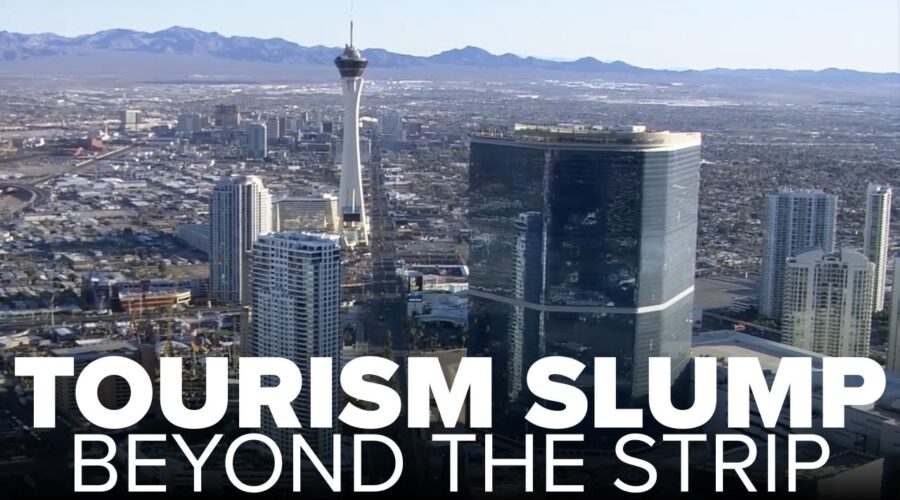
Las Vegas Tourism Downturn: How Discounts Are Saving the Strip
What if the neon glow of the Strip could dim, not from lack of visitors, but from a surplus of them—all chasing the same elusive dream of a bargain? Las Vegas, the city that never sleeps, is facing a paradox: tourism is waning, yet the Strip’s lifeblood depends on it. But here’s the twist—discounts are emerging as the unlikely saviors of an industry that thrives on excess. Could these slashed prices be the elixir that revives the city’s golden allure, or will they dilute the very essence of what makes Vegas, Vegas?
The Perfect Storm: Why Tourism in Vegas Is Struggling
The Strip has long been a magnet for high rollers and budget-conscious thrill-seekers alike, but recent years have seen a confluence of challenges. Rising airfare, inflation, and shifting travel preferences have sent ripples through the city’s economic tide. Once, a weekend in Vegas was an affordable escape; now, even the most frugal gambler hesitates before booking a flight. The pandemic’s lingering effects have also reshaped consumer behavior, with travelers prioritizing experiences over indulgence. The result? A tourism downturn that threatens the Strip’s reputation as an unparalleled playground.
Discounts as the New Currency of Vegas
Enter the era of the discount—a strategic lifeline thrown to a city that once prided itself on exclusivity. Hotels are slashing room rates, casinos are offering free play credits, and airlines are dangling flash sales to lure visitors back. The strategy is clear: make Vegas accessible again. But is this a sustainable model, or a desperate gamble? The answer lies in the psychology of the traveler. Discounts tap into the FOMO (fear of missing out) that Vegas has mastered, turning hesitation into action. Yet, there’s a fine line between a bargain and a bargain-bin mentality—one that could erode the city’s premium appeal if overused.
The Double-Edged Sword of Accessibility
On one hand, discounts democratize the Vegas experience, inviting new audiences to partake in its magic. Families, budget travelers, and even locals are rediscovering the Strip without the sticker shock. On the other, the influx of lower-spending visitors could strain the city’s infrastructure, from overcrowded casinos to soaring hotel occupancy rates that dilute the exclusivity once synonymous with Vegas. The challenge? Balancing affordability with prestige. Can Vegas maintain its allure as the ultimate escape while catering to a broader, more cost-conscious demographic?
Beyond the Strip: The Ripple Effect on Local Businesses
The impact of tourism downturns extends far beyond the glittering facades of the Strip. Local restaurants, entertainment venues, and retail shops rely on the steady stream of visitors to thrive. Discounts may bring people in, but they also shift spending habits. A tourist saving on a hotel room might splurge on a show, but they might just as easily skip the high-end dining in favor of a quick bite. The question becomes: will the influx of budget-conscious travelers revitalize the local economy, or will it create a new class of visitors who treat Vegas as a pit stop rather than a destination?
The Future of Vegas: A City of Bargains or a Return to Grandeur?
Las Vegas stands at a crossroads. The discounts are working—temporarily. Hotels are filling up, casinos are buzzing, and the Strip is once again alive with energy. But the long-term viability of this strategy hinges on innovation. Can Vegas reinvent itself beyond the race to the bottom? Perhaps the answer lies in experiential discounts—packages that bundle shows, dining, and attractions at a premium value, rather than just slashing room rates. Or maybe the city will embrace a hybrid model, where luxury and affordability coexist in harmony. One thing is certain: the neon lights of Vegas will continue to flicker, but their future brilliance depends on how well the city navigates this delicate balance.
The Strip’s fate is not yet written. Will it be a city of bargains, or will it reclaim its throne as the ultimate playground of excess? The answer may lie in the hands of the travelers who walk its streets—and the discounts that beckon them in.