Las Vegas Tourism Slump? Casino Revenue Down 6.6% Despite Resilience
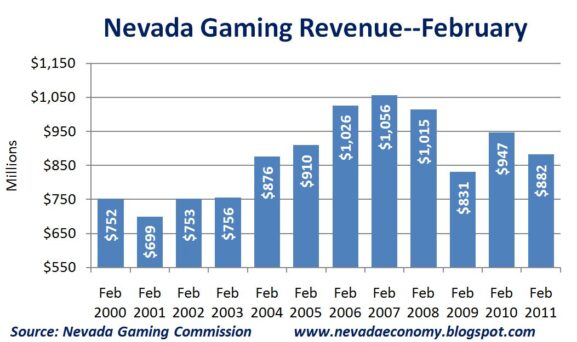
Las Vegas, the glittering jewel of Nevada, has long been synonymous with unbridled extravagance, high-stakes gambles, and a relentless pursuit of pleasure. Yet, beneath the neon glow and the symphony of slot machines, a subtle shift is underway. Recent figures reveal a 6.6% decline in casino revenue, a statistic that punctuates the city’s reputation for resilience with an unexpected fissure. While skeptics may dismiss this as a temporary blip, the numbers whisper of deeper currents reshaping the landscape of Sin City’s economic heartbeat.
The Illusion of Invincibility
For decades, Las Vegas thrived on an almost mythical ability to reinvent itself. The city’s economy, once tethered to the whims of the gaming industry, has diversified into conventions, entertainment, and luxury hospitality. Yet, this diversification has not inoculated it against broader economic tremors. The 6.6% dip in casino revenue is not an isolated anomaly but a symptom of a more profound unease—one that challenges the city’s long-standing narrative of invincibility.
The pandemic’s shadow lingers, not just in the empty ballrooms of convention centers but in the altered habits of travelers. High rollers, once the lifeblood of casino floors, are increasingly lured by global alternatives, from Macau’s opulent casinos to the burgeoning gaming hubs of the Middle East. Meanwhile, the rise of online gambling has eroded the exclusivity of brick-and-mortar play, offering convenience without the spectacle. Las Vegas, for all its grandeur, is no longer the sole destination for those seeking fortune—or folly.
The Changing Faces of the Gambler
Who, then, remains at the tables? The answer is as complex as the city itself. The traditional high-roller, often a wealthy individual with deep pockets and a penchant for risk, is being replaced by a more discerning, experience-driven clientele. Millennials and Gen Z, less drawn to the clatter of coins and the allure of free drinks, now seek immersive entertainment—think Michelin-starred dining, celebrity residencies, and Instagram-worthy nightclubs. Casinos, in response, have transformed into entertainment complexes, where gambling is but one thread in a tapestry of luxury and leisure.
Yet, this evolution is a double-edged sword. While it broadens the city’s appeal, it also dilutes the very essence that once defined Las Vegas: the raw, unfiltered thrill of chance. The gambler of today is less a risk-taker and more a consumer, shopping for memories rather than fortunes. This shift has left casino operators in a precarious position—how to balance the demands of a new generation with the expectations of a traditional base that still craves the old-world allure of high stakes and higher stakes.
The Global Chessboard
Las Vegas does not exist in a vacuum. Its fortunes are inextricably linked to the global economy, geopolitical tensions, and the whims of international travelers. The strong U.S. dollar, for instance, has made the city a less attractive destination for foreign visitors, particularly those from Asia and Europe. Meanwhile, the resurgence of regional gaming markets—from Singapore to the Philippines—has siphoned off a portion of the high-roller market that once flocked to the Strip.
Competition is not just about geography but innovation. Cities like Dubai and Macau have invested heavily in cutting-edge casinos, offering experiences that blend gaming with futuristic architecture and unparalleled luxury. Las Vegas, once the undisputed champion of this arena, now faces a field of rivals that are not merely copying its model but redefining it. The question is no longer whether Las Vegas can adapt but how quickly it can pivot to stay ahead of a rapidly evolving landscape.
The Human Element
Beyond the spreadsheets and market analyses, there is a human story unfolding in the shadows of the Strip. The decline in casino revenue is not just a financial metric; it is a reflection of changing aspirations and the erosion of a once-unshakable cultural phenomenon. Las Vegas was built on the idea of possibility—the belief that luck could change in an instant, that fortune favored the bold. Today, that belief is being tested. The city’s identity, once rooted in the audacity of risk, is now being reshaped by the cautious pragmatism of a new era.
Yet, for all its challenges, Las Vegas remains a city of contradictions. It is a place where fortunes are still made and lost in the span of a single hand, where the clink of chips and the hum of slot machines continue to echo through the halls of the grandest casinos. The 6.6% decline is not a death knell but a call to action—a reminder that even the most resilient cities must evolve or risk fading into obscurity.
The road ahead is uncertain, but Las Vegas has never been one to shy away from uncertainty. If history is any indication, it will rise again—not as a relic of the past, but as a phoenix reborn, its flames fueled by the same relentless spirit that has defined it for generations. The question is not whether it can recover, but how it will redefine itself in the process. And in that question lies the fascination—a city that refuses to be confined by the limits of its own legend.