Las Vegas Hospitality Unions Brace for AI Automation Impact by 2035
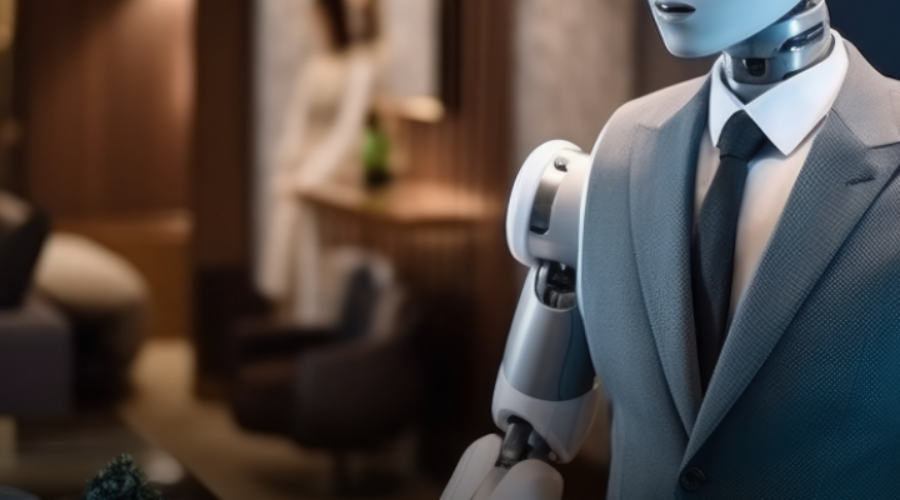
The glimmering neon skyline of Las Vegas has long symbolized human ingenuity and labor—bellhops hauling luggage under the desert sun, cocktail waitresses weaving through casino crowds, and housekeepers transforming rooms with practiced efficiency. Yet beneath the city’s dazzling spectacle, a quieter transformation is unfolding. By 2035, artificial intelligence and automation threaten to reshape the foundations of the hospitality workforce, particularly within the powerful unions that have shaped Las Vegas for generations. This isn’t merely a technological shift; it’s a cultural reckoning. As machines learn to anticipate guest preferences, manage reservations, and even clean rooms with robotic precision, the question lingers: what happens when the city that never sleeps begins to operate without the hands that once built it?
The Looming Shadow of Automation in a City Built by Hands
Las Vegas is not just a destination—it’s a monument to human labor. The Strip’s evolution from dusty railroad outpost to global entertainment capital was powered by the sweat of unionized workers: culinary artists in union kitchens, stagehands rigging colossal productions, and dealers orchestrating games of chance. Yet automation is creeping into every corner of this ecosystem. AI-driven concierge bots now answer guest inquiries in real time, robotic arms stack dishware in high-volume restaurants, and autonomous vehicles shuttle visitors between resorts. The hospitality unions—long the guardians of worker rights in a city where labor is both currency and identity—find themselves at a crossroads. The promise of efficiency is seductive, but the cost to the human workforce is steep. By 2035, the Bureau of Labor Statistics estimates that nearly 40% of hospitality roles in Nevada could be susceptible to automation, a figure that sends ripples through union halls where generations have clocked in under the same collective bargaining agreements.
Union Strategies: From Resistance to Reinvention
Rather than waiting for displacement, Las Vegas unions are pivoting toward adaptation. The Culinary Workers Union Local 226, one of the most influential labor organizations in the state, has already begun negotiating contracts that include provisions for retraining programs in AI-assisted roles. Their strategy isn’t to halt progress, but to steer it. Workers are being upskilled in data analytics, robotics maintenance, and customer experience design—fields where human intuition still trumps algorithmic precision. Yet this transition is fraught with tension. Older members, many of whom entered the industry for the camaraderie and stability of union benefits, grapple with the idea of trading their aprons for coding bootcamps. The younger generation, meanwhile, sees opportunity in the disruption, viewing automation not as a threat but as a tool to elevate their craft. This generational divide underscores a deeper truth: the future of labor isn’t just about jobs—it’s about identity.
The Psychological Cost of a Post-Human Hospitality Experience
Beyond the economic implications lies a subtler, more existential concern: the erosion of human connection in an industry built on it. Las Vegas hospitality thrives on the unscripted moments—the bartender who remembers a regular’s drink order, the housekeeper who notices a guest’s stress and offers a kind word. Can a chatbot replicate the warmth of a dealer’s patter? Can a robotic vacuum convey the pride of a housekeeper who has polished the same brass fixtures for decades? The city’s allure has always been its humanity, its ability to make strangers feel seen. As automation accelerates, the risk isn’t just job loss—it’s the slow dilution of an emotional economy that has defined Las Vegas for over a century. The unions recognize this. Their fight isn’t just for wages or benefits; it’s for the soul of an industry that has, until now, been unapologetically human.
Policy and the Future: Who Decides What’s Left Behind?
The outcome of this transformation will hinge on policy as much as protest. Nevada’s state legislature is already debating incentives for businesses that integrate automation while preserving union jobs. Federal proposals, such as the proposed Automation Impact Fund, could provide grants for displaced workers to transition into emerging sectors. Yet these measures are reactive, not proactive. The deeper question is whether Las Vegas—and by extension, the broader hospitality industry—will prioritize short-term gains over long-term sustainability. Will corporations, driven by shareholder demands, accelerate automation without safeguards? Or will unions, armed with decades of collective bargaining power, force a reckoning that redefines labor in the age of AI? The answer may well determine whether Las Vegas remains a city built by people, or one that is merely visited by them.
The neon will still flicker in 2035. The fountains will still dance. But the hands that once shaped this city’s magic may be fewer, their roles redefined by lines of code and the relentless march of progress. The unions of Las Vegas are not just bracing for change—they are fighting to ensure that change doesn’t erase the very essence of what made this city extraordinary in the first place. The question isn’t whether automation will arrive. It’s whether Las Vegas will still feel like home when it does.