Las Vegas Monorail’s Last Ride? How The Loop Will Use Its Tracks
The neon glow of Las Vegas pulses like a living thing, its veins of light threading through the desert night. Yet beneath the spectacle, a quieter revolution is unfolding—one that pits the city’s iconic monorail against a new contender: Elon Musk’s The Loop. The monorail, once a marvel of modern transit, now faces an existential question: will it become a relic of the past, or can it adapt to survive in an era of hyperloop ambition? The answer may lie not in competition, but in collaboration, as The Loop seeks to repurpose the monorail’s tracks for a new generation of travel.
The Monorail’s Legacy: A Relic of Aspiration
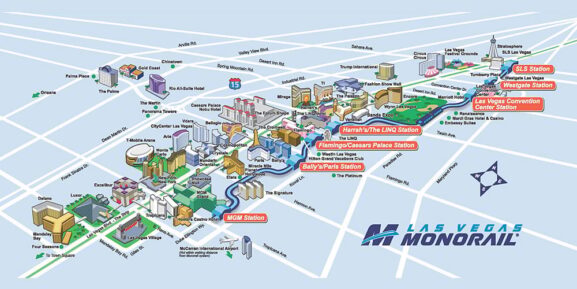
The Las Vegas Monorail, inaugurated in 2004, was designed to whisk visitors between the Strip’s most glittering casinos with the sleek efficiency of a futuristic people-mover. Its elevated tracks, a stark contrast to the city’s chaotic ground-level sprawl, symbolized progress—a promise that Las Vegas could transcend its own excesses with clean, efficient transit. Yet two decades later, the monorail’s limitations are glaring. Its fixed route, limited capacity, and high operational costs have rendered it a niche attraction rather than a backbone of urban mobility. The monorail’s tracks, once a marvel, now stand as a monument to an era that has moved on.
The Loop’s Ambition: A Hyperloop for the Masses
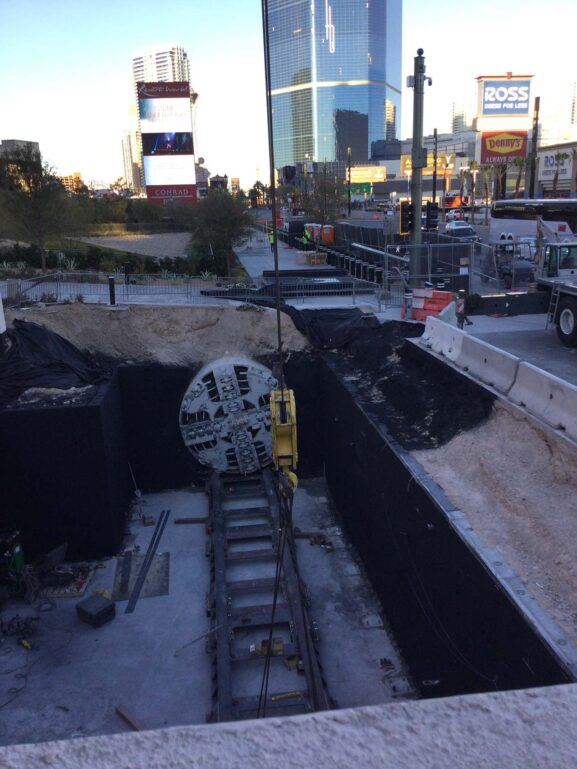
Enter The Loop, Musk’s vision of a subterranean transit network where autonomous electric pods zip through vacuum-sealed tubes at near-supersonic speeds. While full-scale hyperloop remains a distant dream, The Loop’s scaled-down iteration promises to revolutionize short-distance travel in Las Vegas. By leveraging existing infrastructure—including the monorail’s elevated tracks—The Loop could transform a relic into a cutting-edge artery of urban transit. The synergy is undeniable: why build new when you can repurpose what already exists? The monorail’s tracks, once a symbol of stagnation, could become the foundation for a transit renaissance.
The Symbiosis of Old and New: A Transit Marriage
The most compelling narrative isn’t one of replacement, but of symbiosis. The Loop’s pods, designed for speed and efficiency, could operate alongside the monorail’s slower, more spacious trains, creating a multi-tiered transit system. Imagine a visitor stepping off a monorail at the MGM Grand, boarding a sleek Loop pod to whisk them to the airport in minutes, then returning via the monorail to the Bellagio’s fountains. This isn’t just practical—it’s poetic, a fusion of nostalgia and innovation. The monorail’s tracks, once a dead end, could become a bridge between the city’s past and its future.
The Deeper Fascination: Why We Yearn for Reinvention
There’s a deeper allure to this story, one that transcends mere transit. Las Vegas has always been a city of reinvention, where the old is discarded in favor of the new with reckless abandon. The monorail’s decline isn’t just a tale of obsolescence—it’s a reflection of our collective fascination with progress, even when it means leaving behind what once defined us. The Loop’s potential to repurpose the monorail’s tracks isn’t just a logistical coup; it’s a metaphor for resilience. It suggests that even in a city built on ephemeral dreams, there’s room for evolution without erasure.
The Road Ahead: Challenges and Opportunities
Of course, the path forward isn’t without obstacles. The Loop’s technology, while promising, remains unproven at scale. Regulatory hurdles, public skepticism, and the sheer audacity of retrofitting an existing system could derail the dream. Yet the potential rewards are immense. A hybrid transit network could reduce traffic, cut emissions, and redefine urban mobility in Las Vegas. It could also serve as a blueprint for other cities grappling with the same question: how to honor the past while embracing the future. The monorail’s tracks, then, are more than just steel and concrete—they’re a canvas for innovation.
The neon lights of Las Vegas will continue to flicker, but the city’s transit story is far from over. The monorail’s last ride may yet become the first chapter of a new era, where the old and the new coexist in harmony. In a world obsessed with the next big thing, sometimes the most revolutionary act is to build upon what already exists.