Nevada Gaming Revenue Hit: Casinos Rely on Locals to Fill the Gap
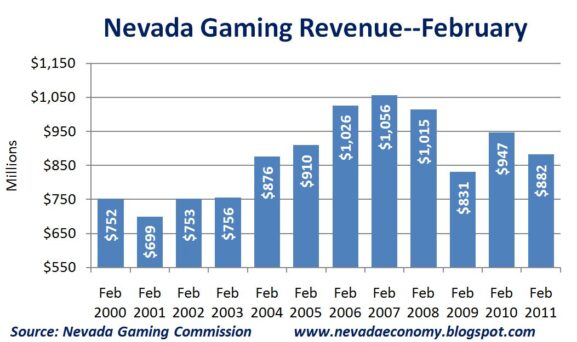
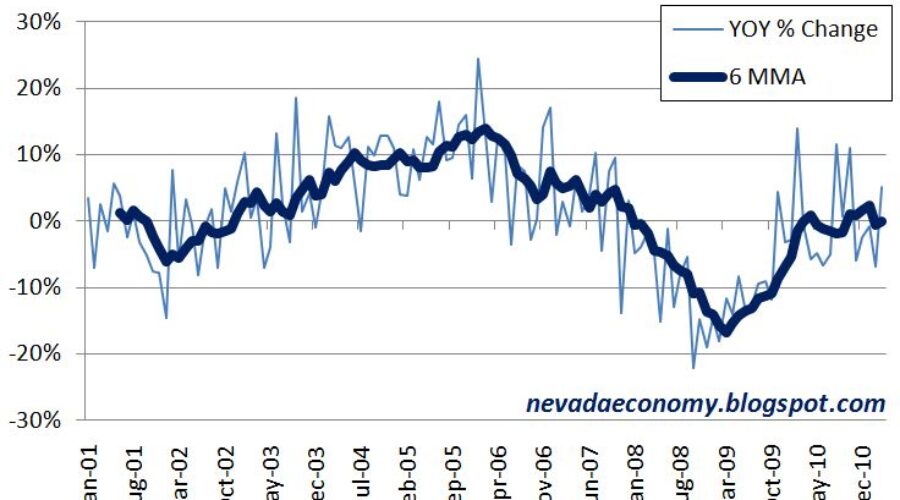
The Nevada gaming industry, long the glittering heartbeat of the Silver State, now faces a sobering reality: a revenue shortfall that demands a pivot from its traditional reliance on high-rolling tourists to a more resilient, community-centric model. As the neon glow of the Strip dims under the weight of shifting travel patterns and economic uncertainty, casinos are turning inward—toward the very locals who once played second fiddle to the spectacle of international visitors. This transformation is not merely a financial recalibration; it is a reinvention of Nevada’s gaming identity, one that embraces the steadfast loyalty of its residents while redefining the essence of what it means to gamble in the Silver State.
The Golden Gamble: Why Nevada’s Revenue Stumbles
For decades, Nevada’s gaming revenue has been a barometer of global prosperity, ebbing and flowing with the tides of international tourism and corporate conventions. Yet, as the world grapples with inflation, geopolitical tensions, and the lingering specter of pandemic-era travel restrictions, the once-reliable influx of high-spending visitors has waned. The Strip, once a magnet for high rollers from Asia and Europe, now contends with a more discerning clientele—one that prioritizes experience over extravagance. Meanwhile, regional casinos, long overshadowed by the Strip’s dazzle, are finding their footing by catering to the pragmatic spending habits of Nevada’s residents. This shift is not a sign of desperation but a strategic recalibration, a recognition that the state’s gaming future may lie in the unassuming yet steadfast patronage of its own people.
The Local Advantage: A New Era of Gaming Loyalty
Nevada’s residents are a breed apart—hardworking, resilient, and deeply connected to the state’s gaming culture. Unlike transient tourists, locals return again and again, their loyalty forged in the fires of community and convenience. Casinos are capitalizing on this by offering tailored incentives: discounted buffets, exclusive slot tournaments, and loyalty programs that reward frequent play. The appeal is no longer just about the thrill of chance but about fostering a sense of belonging. This grassroots approach transforms gaming from a fleeting indulgence into a ritual, a weekly or even daily habit that weaves itself into the fabric of Nevada’s social landscape. The result? A revenue stream that is not only more stable but also more predictable—a stark contrast to the whims of international tourism.
The Reinvention of the Casino: Beyond the Neon
The modern Nevada casino is no longer just a temple of chance; it is a multifaceted entertainment hub designed to captivate locals beyond the slot machines. From sportsbooks that double as social gathering spots to upscale dining experiences that rival the Strip’s finest, casinos are diversifying their offerings to create a destination in their own right. The rise of “local casinos”—those tucked away in suburban neighborhoods rather than the bustling heart of Las Vegas—reflects this evolution. These venues eschew the opulence of the Strip in favor of a more intimate, community-focused atmosphere. Yet, they retain the allure of Nevada’s gaming heritage, blending tradition with innovation to craft an experience that feels both timeless and fresh. The message is clear: Nevada’s gaming future is not about chasing distant crowds but about nurturing the ones right outside its doors.
The Ripple Effect: Economic and Cultural Shifts
The pivot toward local patronage is not without its consequences. For one, it redistributes economic benefits more evenly across the state, reducing the Strip’s dominance and empowering regional economies. Small businesses—restaurants, bars, and retail shops—flourish in the shadow of these local casinos, creating a virtuous cycle of growth. Culturally, the shift fosters a new narrative around Nevada’s gaming identity. No longer is the state solely a playground for the wealthy; it is a place where everyday Nevadans can partake in the excitement of gaming without the trappings of excess. This democratization of the casino experience is a quiet revolution, one that redefines Nevada’s relationship with its most iconic industry.
The Nevada gaming industry’s pivot toward local patronage is not a retreat but a reinvention—a testament to the state’s adaptability and resilience. As the world changes, so too must Nevada’s approach to gaming, trading the transient allure of international tourism for the enduring loyalty of its residents. In doing so, it does not merely fill a revenue gap; it forges a new identity, one that is as rooted in community as it is in chance. The future of Nevada gaming is not found in the distant glow of the Strip but in the steady, unwavering light of the local casino—where the real magic has always resided.