The Loop Las Vegas: New Plans to Expand Underground to Monorail Lines
The Loop Las Vegas, a groundbreaking subterranean transit network, is poised to redefine urban mobility beneath the glittering sprawl of the city’s most iconic thoroughfares. As planners unveil ambitious expansions linking the convention center’s existing loop to the monorail lines, a new era of seamless connectivity beckons. This underground artery promises to alleviate surface congestion, slash transit times, and introduce a level of architectural sophistication rarely seen in public infrastructure. For commuters, tourists, and urban planners alike, the evolution of The Loop represents more than an engineering feat—it is a blueprint for the future of city travel, where speed, efficiency, and elegance converge beneath the desert sun.
The Underground Arteries: Engineering a Network Beneath the Neon
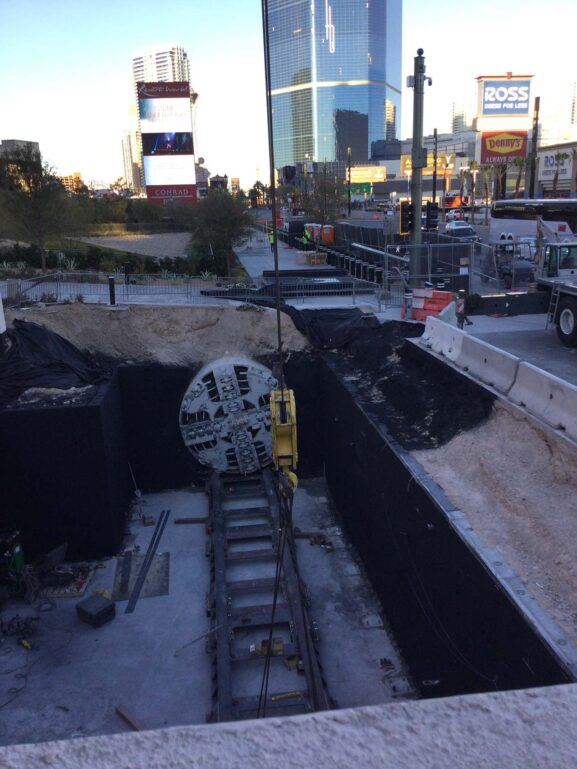
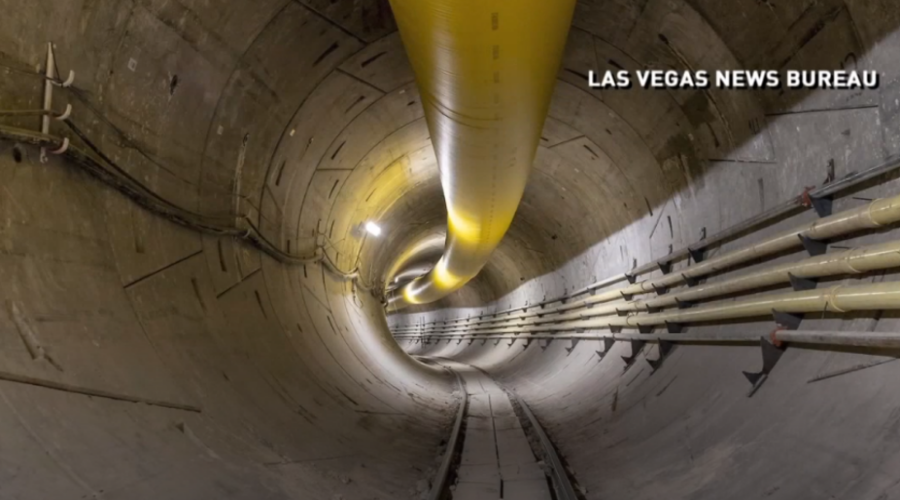
Beneath the pulsating neon and ceaseless energy of Las Vegas lies a labyrinth in the making—The Loop’s subterranean veins. The planned expansion will stitch together the existing tunnel beneath the Las Vegas Convention Center with the monorail’s elevated tracks, creating a hybrid transit system that transcends traditional boundaries. Engineers are leveraging cutting-edge tunneling techniques, including tunnel boring machines that carve through the desert strata with surgical precision, minimizing surface disruption. The tunnels, designed with a futuristic aesthetic, feature smooth, curved walls that reduce air resistance and enhance passenger comfort. Air filtration systems, modeled after aerospace technology, ensure a pristine environment, while LED lighting casts a soft, ambient glow that transforms the journey into an experience rather than a mere transit segment. This is not just infrastructure; it is a subterranean symphony of form and function.
Connectivity Redefined: Bridging the Convention Center and Monorail
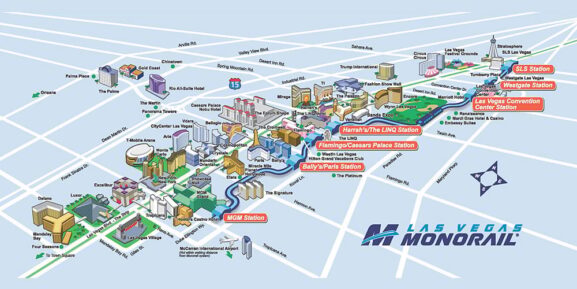
The integration of The Loop with the monorail lines is a masterstroke of urban planning, designed to eliminate the friction of multi-modal travel. Passengers arriving at the convention center will no longer face the logistical nightmare of navigating surface streets to reach monorail stations. Instead, a seamless transition awaits, with dedicated underground corridors ensuring a direct, climate-controlled path to elevated platforms. This connectivity extends beyond mere convenience—it is a catalyst for economic synergy. Businesses along the route, from hospitality giants to retail emporiums, stand to benefit from increased foot traffic and reduced transit anxiety. The monorail’s existing network, already a marvel of engineering, will now operate in concert with The Loop, creating a transit ecosystem that rivals the most advanced cities in the world. For visitors, this means fewer delays, more time to explore, and a journey that feels effortless.
The Passenger Experience: A Transit Odyssey Beneath the City
Stepping into The Loop is akin to entering a portal to another dimension—one where time and space are redefined. The stations, designed by leading architects, blend minimalist elegance with high-tech functionality. Interactive digital displays provide real-time updates, while augmented reality kiosks offer personalized route suggestions. The trains themselves are a marvel, gliding on magnetic levitation tracks that eliminate friction and noise, ensuring a whisper-quiet ride. Seating is ergonomically optimized, with panoramic windows that offer glimpses of the subterranean world outside. For those prone to motion sickness, the smooth acceleration and deceleration are a revelation. Even the air quality is curated, with ionization systems that neutralize pollutants and infuse the atmosphere with a subtle, invigorating freshness. This is transit as an experience, where every detail is meticulously crafted to elevate the journey from mundane to extraordinary.
Economic and Environmental Implications: A Model for Sustainable Urban Growth
The Loop’s expansion is not merely a transit upgrade—it is a strategic investment in Las Vegas’s future. By siphoning traffic away from surface roads, the system reduces carbon emissions and alleviates the strain on the city’s aging infrastructure. The monorail’s integration further amplifies this impact, creating a low-emission corridor that aligns with the city’s sustainability goals. Economically, the project is a boon for local businesses, with increased accessibility driving tourism and commerce. Developers are already eyeing the areas surrounding the new stations, anticipating a surge in mixed-use projects that blend residential, commercial, and entertainment spaces. The Loop also positions Las Vegas as a leader in smart city innovation, attracting tech firms and investors eager to participate in its next chapter. In an era where urban centers are racing to future-proof their transit networks, The Loop stands as a testament to what is possible when ambition meets execution.
The Future Unveiled: What Lies Ahead for The Loop
As construction progresses, the anticipation builds for what The Loop will become—a living, breathing extension of Las Vegas itself. Future phases may include extensions to the Strip, connecting iconic resorts and entertainment venues in a seamless underground network. Autonomous shuttles could ferry passengers between stations, further enhancing efficiency. The data harvested from the system’s operations will inform real-time adjustments, ensuring that the network evolves in tandem with the city’s needs. For urban planners, The Loop offers a blueprint for other cities grappling with congestion and sustainability challenges. It is more than a transit solution; it is a paradigm shift, redefining the relationship between a city and its inhabitants. As the first trains glide through the tunnels, Las Vegas will not just be a destination—it will be a laboratory of urban innovation, where the future is not just imagined, but experienced, one subterranean journey at a time.