Boring Company’s Vegas Loop Expands Beyond Convention Center to Monorail
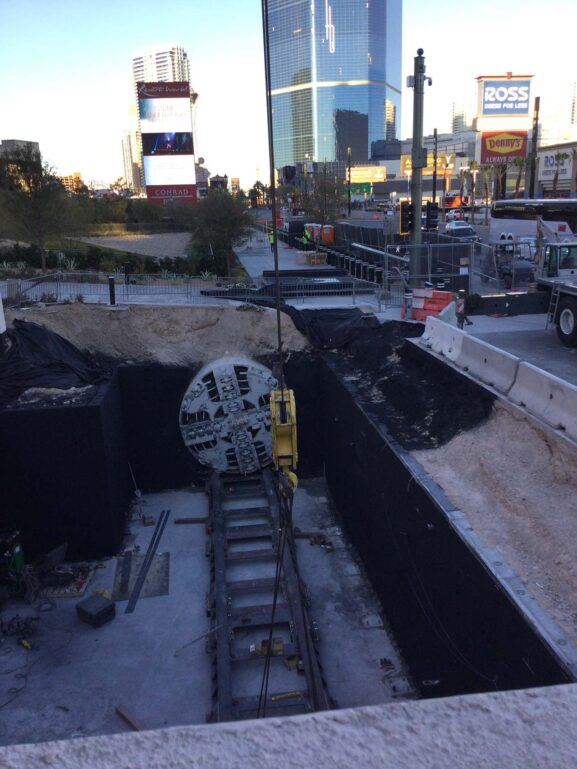
The Las Vegas Loop, a brainchild of Elon Musk’s Boring Company, is rapidly evolving from a niche transit solution into a sprawling urban mobility network. Initially designed to whisk convention attendees between venues at warp speed, this subterranean marvel is now poised to intertwine with the city’s iconic monorail, forging a seamless transit ecosystem beneath the neon glow of the Strip. The expansion isn’t merely an upgrade—it’s a paradigm shift, redefining how visitors and locals alike navigate one of the world’s most dynamic cities. For commuters, tourists, and urban planners, the implications are as profound as they are practical.
The Monorail’s Underground Counterpart: A Marriage of Speed and Scale
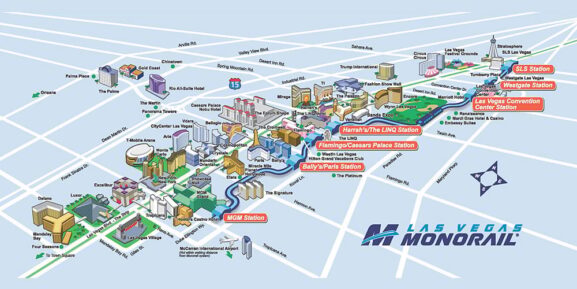
While the Las Vegas Monorail soars above the city’s bustling corridors, its subterranean counterpart operates in silent, high-efficiency harmony. The Loop’s tunnels, equipped with Tesla vehicles capable of 150 mph speeds, promise to slash travel times between key destinations. Imagine gliding from the Las Vegas Convention Center to the MGM Grand in under two minutes—without the gridlock of Tropicana Avenue. This isn’t just convenience; it’s a logistical revolution. The integration with the monorail creates a dual-layer transit network, where surface and subsurface systems complement each other, eliminating bottlenecks and reducing reliance on rideshares. For event planners, this means shorter wait times for attendees. For residents, it’s a lifeline to avoid the city’s notorious traffic snarls.
Economic Ripple Effects: Boosting Local Businesses and Tourism
The Loop’s expansion isn’t just about movement—it’s about money. By connecting the convention center to high-traffic hubs like the Las Vegas Strip and Harry Reid International Airport, Boring Company is effectively greasing the wheels of commerce. Tourists, freed from the tyranny of taxis and ride-hailing apps, will funnel more dollars into local businesses. Casinos, restaurants, and entertainment venues stand to benefit from increased foot traffic, while reduced transit costs could lure budget-conscious travelers. Economists predict a surge in property values along Loop corridors, as developers race to capitalize on the newfound accessibility. Even the city’s tax base could swell, thanks to higher occupancy rates in once-neglected areas. This is transit as an economic catalyst—one that reshapes urban landscapes without a single skyscraper.
Technological Marvels: How the Loop Outpaces Traditional Transit
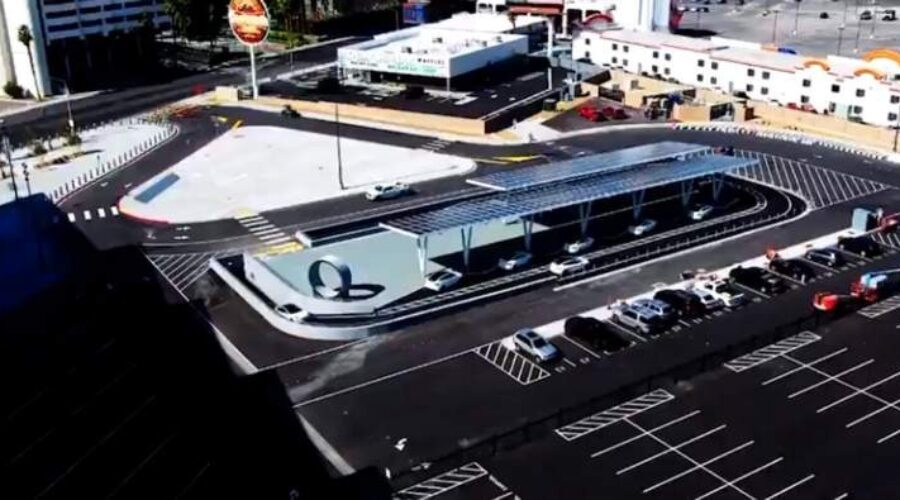
What sets the Loop apart isn’t just its speed—it’s its intelligence. Each Tesla pod navigates a labyrinth of tunnels with millimeter precision, guided by AI that adapts in real-time to passenger demand. Unlike traditional metro systems, which operate on fixed schedules, the Loop’s dynamic routing ensures vehicles are always where they’re needed most. Solar-powered charging stations dot the tunnels, slashing energy costs, while the absence of stops at street level eliminates the stop-and-go inefficiencies of buses or trams. The system’s modular design allows for near-infinite scalability, meaning Las Vegas could one day boast a Loop that rivals subway networks in density. For tech enthusiasts, it’s a glimpse into the future of urban mobility—one where algorithms, not infrastructure, dictate efficiency.
Challenges and Criticisms: The Roadblocks Ahead
Yet for all its promise, the Loop isn’t without detractors. Skeptics question the project’s long-term viability, citing high upfront costs and the risk of technological obsolescence. Others raise concerns about equity—will the system remain accessible to all, or will it become a luxury plaything for the well-heeled? Environmentalists, too, have voiced reservations about the energy footprint of high-speed electric pods tunneling beneath a desert metropolis. And then there’s the human factor: will locals embrace a system that feels more like a sci-fi fantasy than a practical transit option? These challenges aren’t trivial, but they’re not insurmountable. The key lies in transparent governance, adaptive pricing models, and relentless innovation to ensure the Loop serves the many, not the few.
The Big Picture: A Blueprint for Cities Worldwide
Las Vegas isn’t just building a transit system—it’s writing the playbook for 21st-century urban mobility. If successful, the Loop could inspire copycat projects in congested cities from Los Angeles to Tokyo, proving that subterranean networks aren’t just feasible but essential. The monorail integration is the first domino; the next could be cross-city connections, freight tunnels, or even hyperloop extensions. For urban planners, the message is clear: the future isn’t just about building up—it’s about digging deep. As the Loop burrows beneath the Strip, it’s also carving out a new narrative for how cities move, thrive, and redefine themselves in an era of rapid change.
The Las Vegas Loop’s expansion is more than an engineering feat—it’s a statement. A statement that speed, efficiency, and innovation can coexist with the chaos of a city that never sleeps. As the tunnels stretch and the pods accelerate, one thing is certain: the way we move through the world is about to change forever.