Las Vegas Strip Faces Headwinds as Gaming Revenue Falls Nearly 7%
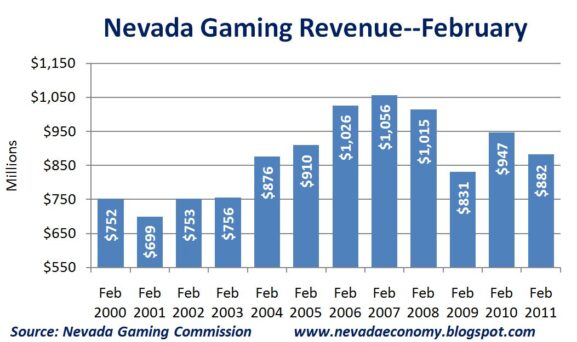
What happens when the heartbeat of Las Vegas—the dazzling neon pulse of the Strip—starts to stutter? The answer isn’t just a flicker in the dark. It’s a slow dimming of the city’s most iconic revenue stream. Gaming revenue, the lifeblood of the Las Vegas Strip, has slipped nearly 7% in recent months, sending ripples through casinos, investors, and the city’s economic identity. But beneath the surface of slot machines and poker tables lies a deeper narrative—one of shifting consumer habits, economic headwinds, and the relentless evolution of entertainment itself. Is this a temporary stumble or the first tremor of a seismic shift?
The Golden Age Under Strain: Why Gaming Revenue Is Slipping
The Las Vegas Strip has long been synonymous with high-stakes gambling, where fortunes are made and lost in the blink of an eye. Yet, the recent decline in gaming revenue suggests that the city’s traditional allure is facing unprecedented pressure. Analysts point to a confluence of factors: rising inflation eroding discretionary spending, a post-pandemic normalization of travel patterns, and the growing appeal of alternative entertainment destinations. While Las Vegas remains a top tourist draw, the sheer volume of visitors isn’t translating into the same level of gambling expenditure as before. The question isn’t whether the Strip can recover—it’s whether it can adapt before the decline becomes irreversible.
Beyond the Tables: The Rise of Non-Gaming Revenue—and Its Limits
As gaming revenue wanes, the Strip has pivoted toward diversifying its income streams. Luxury retail, world-class dining, and immersive entertainment experiences have become the new stars of the show. Yet, these alternatives, while lucrative, are not without their own vulnerabilities. High-end shopping and Michelin-starred restaurants cater to a niche audience willing to spend, but they are also sensitive to economic downturns. The challenge? Convincing visitors that Las Vegas is more than just a gambler’s paradise—without diluting the very essence that made it legendary in the first place. Can the Strip strike a balance between reinvention and tradition?
The Competitive Landscape: Las Vegas vs. The World
Las Vegas no longer holds a monopoly on entertainment. From Macau’s opulent casinos to the burgeoning nightlife scenes in Dubai and Singapore, the global competition for gaming dollars has intensified. Meanwhile, regional gaming markets in the U.S. have expanded, offering convenient alternatives to locals and tourists alike. The Strip’s once-unassailable dominance is now being tested by a trifecta of innovation, accessibility, and shifting consumer preferences. To reclaim its edge, Las Vegas must not only compete but redefine what it means to be a destination. The stakes are high, and the margin for error is slim.
The Human Factor: How Economic Pressures Are Reshaping Visitor Behavior
Behind the numbers are real people—visitors whose spending habits are being reshaped by economic uncertainty. Younger generations, in particular, are less drawn to the allure of gambling, favoring experiences over risk. Meanwhile, older demographics, traditionally the backbone of Strip revenue, are tightening their belts in response to inflation. The result? A fragmented audience with diverging priorities. Casinos are responding with targeted promotions, loyalty programs, and even hybrid gaming experiences that blend digital and physical play. But will these strategies be enough to reverse the tide, or is Las Vegas on the cusp of a fundamental identity crisis?
The Las Vegas Strip has always been a city of reinvention, a place where fortunes are rewritten with every roll of the dice. Yet, the current downturn in gaming revenue is more than a statistical blip—it’s a clarion call. The question now is whether the Strip can harness its legendary adaptability to weather the storm or whether the lights will dim for good. One thing is certain: the house always wins, but in this high-stakes game, the odds are no longer in its favor.