From High Rollers to Locals: How Nevada Casinos Adapt to 6.6% Dip
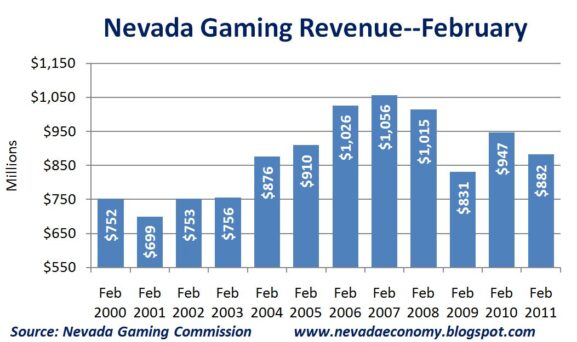
The neon glow of Las Vegas has long been synonymous with high-stakes gambling, where fortunes are made and lost under the watchful eyes of dealers and pit bosses. Yet beneath the dazzling spectacle, the city’s casinos are quietly recalibrating their strategies in response to a subtle but persistent shift—a 6.6% dip in revenue that has sent ripples through an industry built on perpetual motion. This adjustment is not merely a financial footnote; it reflects deeper transformations in consumer behavior, technological disruption, and the evolving identity of Nevada’s gambling landscape.
The Subtle Shift in Patronage: From Tourists to Locals
For decades, Nevada’s casinos thrived on the transient energy of high rollers and vacationing thrill-seekers, their marble floors polished to a mirror sheen by the footsteps of those who gambled with both cash and dreams. But the 6.6% dip suggests a recalibration of this dynamic. Increasingly, the lifeblood of these establishments comes from a different demographic: the locals. Residents of Las Vegas and surrounding areas, once occasional visitors, now constitute a steady stream of patrons whose habits differ markedly from their tourist counterparts.
Locals tend to favor mid-stakes games, frequent smaller denominations, and prioritize convenience over spectacle. They arrive in the late afternoon, often after work, and depart before the wee hours when the high-rollers take over. This shift has forced casinos to rethink their operational models, transforming once-exclusive lounges into community hubs where the clink of coins and the hum of slot machines replace the hushed tones of private gaming rooms. The result is a democratization of the casino floor, where the velvet ropes of exclusivity are slowly unraveling.
The Technological Undercurrent: Digital Disruption in a Physical World
No discussion of Nevada’s gambling landscape would be complete without acknowledging the silent revolution unfolding in the digital realm. The 6.6% dip cannot be divorced from the rise of online gambling platforms, which offer the allure of instant gratification without the need for neon-lit corridors or complimentary cocktails. Mobile apps and live-dealer streams have eroded the monopoly that brick-and-mortar casinos once held over the gambling experience.
In response, Nevada’s casinos have embraced a hybrid approach, integrating digital innovations into their physical spaces. Self-service kiosks, cashless payment systems, and even augmented reality-enhanced gaming tables are becoming commonplace. These adaptations are not merely about keeping pace with technology; they are about redefining the casino as a multi-sensory experience where the tactile thrill of a card shuffle is complemented by the convenience of a mobile app. The goal is to create a seamless ecosystem where the digital and physical worlds coalesce, ensuring that patrons remain tethered to the casino floor even when they step away from the table.
The Psychological Play: Crafting an Experience Beyond the Odds
At its core, gambling is a psychological game, one where the house always wins but the player is lured by the promise of an improbable victory. The 6.6% dip has forced casinos to delve deeper into the art of psychological engagement, crafting environments that transcend the mere act of betting. From the strategic placement of slot machines to the carefully curated scent of lavender in high-end lounges, every detail is meticulously designed to prolong engagement and enhance the illusion of control.
Yet, this psychological manipulation is not without its critics. Some argue that the relentless pursuit of player retention borders on exploitation, particularly when targeting vulnerable populations. Casinos counter this by emphasizing responsible gaming initiatives, offering self-exclusion programs, and training staff to recognize signs of compulsive behavior. The challenge lies in balancing profitability with ethical considerations—a tightrope walk that requires both finesse and transparency.
The Economic Ripple: Beyond the Casino Floor
The 6.6% dip is not an isolated phenomenon; it is part of a broader economic narrative that extends far beyond the casino floor. The decline in revenue has prompted a reevaluation of Nevada’s economic dependence on gambling, which has long been its primary engine. Diversification is now a buzzword, with investments in tourism infrastructure, technology hubs, and even cannabis dispensaries signaling a shift toward a more multifaceted economy.
This transition is not without its tensions. Purists argue that Nevada’s identity is inextricably linked to its gambling heritage, and any dilution of that legacy risks eroding its unique allure. Yet, the data suggests that adaptation is not optional—it is essential. The casinos that thrive in this new landscape will be those that can pivot from being mere gambling dens to becoming integrated entertainment complexes, where gaming is just one thread in a tapestry of experiences.
The 6.6% dip, then, is more than a statistical anomaly; it is a catalyst for evolution. Nevada’s casinos are not merely weathering a storm—they are reimagining themselves for a new era. In doing so, they are not just preserving their relevance; they are redefining what it means to gamble in the modern age. The neon lights still flicker, but the story they tell is no longer confined to the clink of chips and the roll of dice. It is a story of resilience, innovation, and the enduring allure of a gamble well played.