Nevada Tourism Downturn: 4 Reasons Gaming Revenue Dropped 6.6%
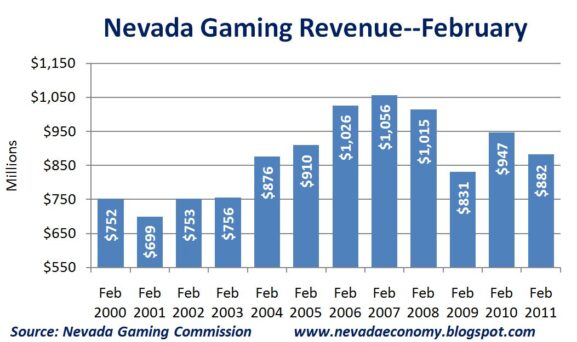
Nevada’s glittering marquees once pulsed with the unrelenting energy of a thousand neon dreams, but the state’s gaming revenue has stumbled into a sobering reality. A 6.6% dip in earnings isn’t merely a statistical blip—it’s a clarion call echoing through the desert’s once-thriving corridors. Beneath the surface of this downturn lies a labyrinth of forces reshaping the very foundation of Nevada’s economic allure. From the ebb and flow of global travel to the quiet erosion of consumer confidence, the reasons are as layered as the stratigraphy beneath the Las Vegas Strip. Here, we dissect four pivotal factors that have conspired to dim the neon glow and temper the high-stakes fervor.
The Erosion of International Tourism: A Global Shift in Priorities
The once-ubiquitous sight of European high-rollers and Asian high-net-worth individuals descending upon Las Vegas has waned, not out of disinterest, but out of necessity. Geopolitical tensions, fluctuating exchange rates, and a recalibration of global spending habits have redirected the flow of international capital. Countries once eager to splurge on extravagant gambling jaunts now prioritize domestic stability or redirect funds toward burgeoning markets closer to home. The ripple effect is unmistakable: fewer high-stakes baccarat tables humming with foreign currency, and a noticeable thinning of the once-packed casino floors during peak seasons. This isn’t merely a temporary lull; it’s a recalibration of global affluence, leaving Nevada’s gaming industry to grapple with the aftermath.
The Quiet Decline of the Middle-Class Gambler: A Demographic Drift
Las Vegas was built on the back of the middle-class gambler—the weekend warrior with a modest bankroll and a penchant for slot machines and buffet indulgence. Yet, this demographic is quietly vanishing, squeezed by inflation, stagnant wages, and the allure of alternative entertainment. The rise of esports, streaming platforms, and even staycations has diluted the once-unassailable appeal of a Vegas getaway. Casinos, long reliant on this steady stream of players, now find themselves catering to a shrinking audience. The slot machines, once the heartbeat of the casino floor, now hum with less frequency, their clinking coins replaced by the silent swipe of debit cards. The middle-class gambler isn’t dead, but their presence is increasingly sporadic, a ghost of Nevada’s economic heyday.
The Rise of Alternative Destinations: Competition Beyond the Neon
Nevada’s gaming dominance is no longer unchallenged. States like Pennsylvania, New Jersey, and even tribal casinos in California have clawed back market share with sleek, modernized gaming floors and more accessible locations. Meanwhile, international competitors like Macau and Singapore have refined their offerings, luring high rollers with opulence and exclusivity that Nevada once monopolized. Even the humble cruise ship casino, once a novelty, has evolved into a floating gaming paradise, offering tax-free play and all-inclusive luxury. Nevada’s casinos, while still iconic, now compete in a crowded marketplace where convenience and novelty often trump tradition. The result? A fragmentation of the gaming audience, with dollars diverted to destinations that promise novelty over nostalgia.
The Psychological Weight of Economic Uncertainty: A Reluctance to Gamble
Beneath the dazzle of the Strip lies a more insidious force: the psychological toll of economic uncertainty. When consumers feel the pinch of rising costs, job insecurity, or looming recession fears, discretionary spending—especially on high-risk, high-reward activities like gambling—takes a backseat. The once-effervescent optimism that defined Las Vegas’s post-recession rebound has dimmed, replaced by a cautious pragmatism. Even the most ardent gamblers now approach the tables with a calculated restraint, their bets smaller, their sessions shorter. The casino floor, once a cathedral of risk and reward, now feels more like a pressure cooker of fiscal anxiety, where every dollar wagered is scrutinized through the lens of survival rather than indulgence.
The Nevada gaming revenue dip is more than a fleeting setback; it’s a mirror reflecting broader shifts in consumer behavior, global economics, and the very nature of leisure. The state’s casinos, once the undisputed kings of entertainment, now navigate a landscape where tradition must coexist with innovation. The road ahead demands adaptability—whether through diversified revenue streams, immersive experiences, or a reimagining of what a Vegas getaway truly entails. One thing is certain: the neon glow may flicker, but Nevada’s capacity to reinvent itself remains its most enduring gamble.