Casino Marketing Shifts After Nevada Gaming Revenue Falls 6.6% in Early 2026
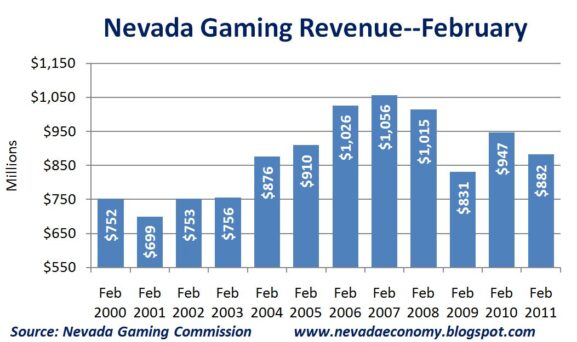
The casino industry in Nevada, a bellwether for global gaming trends, has long been a barometer of economic vitality and consumer confidence. Yet, when the state’s gaming revenue plummeted by 6.6% in early 2026, it sent ripples far beyond the neon-lit Strip. The decline wasn’t just a statistical blip—it was a seismic shift, one that exposed deeper fissures in consumer behavior, technological disruption, and the very foundations of casino marketing. As operators scramble to recalibrate their strategies, the industry finds itself at a crossroads, where traditional tactics are being upended by a new era of savvy, experience-driven engagement.
From High-Roller Havens to Mass-Market Magnetism
For decades, Nevada’s casinos thrived on the allure of high-stakes gambling, where opulent suites and exclusive VIP programs were the cornerstones of marketing. The revenue drop, however, signals a fundamental erosion of this model. The modern gambler—especially the younger, digitally native demographic—is less interested in velvet-draped anonymity and more drawn to immersive, shareable experiences. Casinos are now pivoting toward mass-market appeal, curating events that blur the line between gaming and entertainment. From celebrity residencies to esports tournaments, the focus has shifted from the casino floor to the spectacle surrounding it. This transformation isn’t just about filling seats; it’s about redefining the casino as a destination, not just a venue.
The Digital Disruption: When Algorithms Outpace Amenities
Technology has always been a disruptor, but in 2026, its influence is undeniable. The rise of AI-driven personalization has rendered generic loyalty programs obsolete. Patrons now expect tailored recommendations, predictive bonuses, and seamless digital integration—whether through mobile apps or in-casino kiosks. The challenge for Nevada’s casinos is no longer just about offering the best odds or the flashiest décor; it’s about leveraging data to anticipate desires before they’re even articulated. Yet, this digital arms race comes with a paradox: the more automated the experience, the more human connection seems to be in demand. Operators are now balancing algorithmic precision with curated human touchpoints, creating a hybrid model where technology enhances, rather than replaces, the thrill of chance.
Sustainability as a Silent Siren Call
Amidst the glitz and glamour, a quieter revolution is taking shape: the push toward sustainability. The 6.6% revenue dip has coincided with a growing consumer consciousness about environmental and social responsibility. Casinos, once symbols of excess, are now under scrutiny for their carbon footprints and labor practices. Forward-thinking operators are responding with eco-conscious initiatives—from energy-efficient resorts to partnerships with local communities. Marketing strategies are increasingly highlighting these efforts, not as an afterthought but as a core value proposition. The message is clear: the modern casino patron isn’t just gambling for luck; they’re gambling for a cause.
The Psychological Play: Fear, Trust, and the Illusion of Control
At its heart, gambling is a psychological game, one where fear and desire collide. The revenue decline suggests a deeper unease among players—a loss of trust in the system. Whether due to economic uncertainty, regulatory crackdowns, or the sheer unpredictability of chance, gamblers are becoming more discerning. Casinos are responding by doubling down on transparency. From real-time odds displays to blockchain-backed transactions, operators are stripping away the mystique to rebuild trust. Yet, this shift also reveals a paradox: the more transparent the process, the less room there is for the mythic allure of gambling. The challenge, then, is to maintain the thrill while ensuring players feel secure in their choices.
Conclusion: The House Always Adapts
Nevada’s gaming revenue dip is more than a financial setback—it’s a catalyst for reinvention. The casinos that thrive in this new landscape will be those that embrace change without losing their soul. They will blend cutting-edge technology with timeless hospitality, balance automation with authenticity, and turn sustainability from a buzzword into a brand ethos. The future of casino marketing isn’t about chasing trends; it’s about understanding the evolving psyche of the gambler. In an industry where the house always has the edge, the smartest players will be the ones who adapt before the odds shift again.