Historically Bad Snow Season Leaves Nevada Snowpack at 17% by April 1
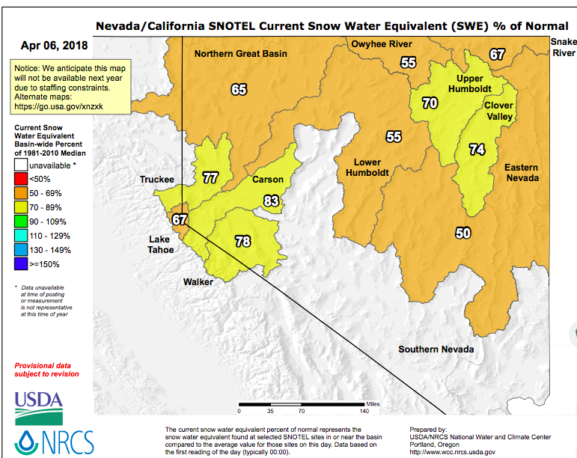
The winter of 2023-2024 will be etched into Nevada’s memory not for its grandeur, but for its stark absence. By April 1, the state’s snowpack—a critical reservoir for water supplies—had dwindled to a mere 17% of its historical average. This wasn’t just a poor season; it was a harbinger of a shifting climate, a stark reminder that the rhythms of nature are no longer predictable. The consequences ripple far beyond the mountains, threatening agriculture, urban water systems, and the delicate balance of ecosystems that have thrived for generations. Yet, this scarcity also presents an unexpected opportunity—a chance to rethink how we interact with water, to innovate, and to adapt before the next dry spell arrives.
The Vanishing Snow: A Crisis in the High Country
The Sierra Nevada, Nevada’s primary water tower, has long been a bastion of snow accumulation, its peaks cradling moisture that trickles down to feed rivers and reservoirs. This year, however, the snowpack was a ghost of its former self. Meager snowfall, exacerbated by unseasonably warm temperatures, left vast stretches of the high country barren. The ramifications are immediate: reduced runoff into the Truckee and Carson Rivers, which sustain Reno, Sparks, and the agricultural valleys beyond. Without this natural storage, water managers face an uphill battle to meet demand during the arid summer months. The situation is dire, but it is not without precedent—each decade since the 1980s has seen a decline in snowpack, a trend that shows no sign of abating.
From Snowpack to Dust Bowl: The Domino Effect
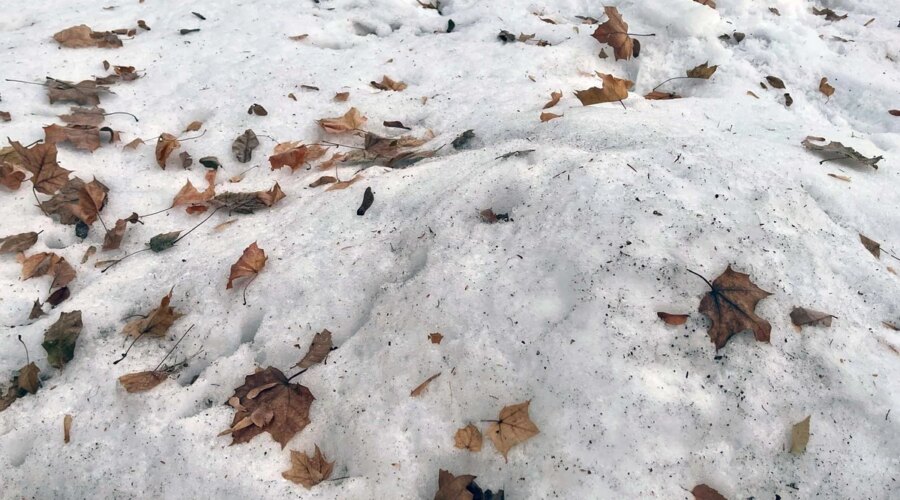
The repercussions of a depleted snowpack extend far beyond the mountains. Nevada’s economy, heavily reliant on water-intensive industries like agriculture and tourism, is particularly vulnerable. Farmers in the Las Vegas Valley, already grappling with water restrictions, may see yields plummet, while the state’s booming population strains an already overtaxed system. The ecological fallout is equally concerning. Wetlands, critical for migratory birds, are drying up, and native fish populations face habitat loss. Even the urban landscape is affected—uncollected leaves and debris, typically buried under snow, now litter streets, clogging storm drains and exacerbating flooding risks. This is not just a water shortage; it is a systemic unraveling.
Adaptation in the Face of Scarcity: A New Water Ethos
Yet, within this crisis lies the seeds of transformation. Nevada has long been a pioneer in water conservation, from the Southern Nevada Water Authority’s aggressive recycling programs to the state’s embrace of drought-tolerant landscaping. This year’s snowpack collapse could accelerate these efforts, pushing communities to adopt more sustainable practices. Desalination, groundwater recharge, and advanced water recycling are no longer theoretical solutions but urgent necessities. Cities like Las Vegas, which recycles nearly all its indoor water, offer a blueprint for others to follow. The challenge now is to scale these innovations before the next dry spell arrives.
The Human Element: Stories from the Front Lines
Behind the statistics are the voices of those most affected. In the farming communities of Fallon, where alfalfa fields stretch as far as the eye can see, the lack of snow means less irrigation water and lower profits. For ranchers in Elko County, the dwindling snowpack threatens the survival of their herds, forcing them to sell livestock or seek alternative grazing lands. Meanwhile, in Reno, residents accustomed to winter recreation find themselves staring at brown hills instead of snow-capped peaks. These personal narratives underscore the human cost of climate change, a reminder that policy decisions and environmental shifts have real, tangible impacts on livelihoods.
A Glimmer of Hope: Lessons from the Past
History offers a glimmer of hope. In the 1920s, Nevada faced a similar water crisis, prompting the construction of the Hoover Dam—a monumental feat that reshaped the state’s future. Today, the challenge is different but no less urgent. The solutions may lie in technology, policy, and collective action. From investing in cloud seeding to exploring aquifer storage, Nevada is exploring every avenue to secure its water future. The question is whether the urgency of this moment will spur the necessary action before it’s too late.
The snowpack’s collapse is more than a weather anomaly; it is a wake-up call. Nevada stands at a crossroads, where the choices made today will determine the state’s resilience for decades to come. The path forward requires not just adaptation, but a fundamental reimagining of how we value and manage water. The snow may be gone, but the opportunity to innovate remains—and with it, the chance to rewrite the state’s water story for the better.