Nevada Water Supply Crisis: April 1 Snowpack at Just 17% of Median
The Sierra Nevada’s once-plentiful snowpack, a natural reservoir that has quenched Nevada’s thirst for centuries, now stands at a mere 17% of its median—a stark reminder of the state’s escalating water supply crisis. April 1, traditionally the peak of snow accumulation, has arrived with an ominous silence where the roar of rushing meltwater once echoed. This dramatic shortfall, a harbinger of parched landscapes and dwindling reservoirs, demands urgent reflection on Nevada’s relationship with its most vital resource. The snowpack, often likened to a frozen savings account, has been drawn upon too heavily, leaving the state on the precipice of a hydrological reckoning.
The Vanishing White Crown: A Snowpack in Freefall
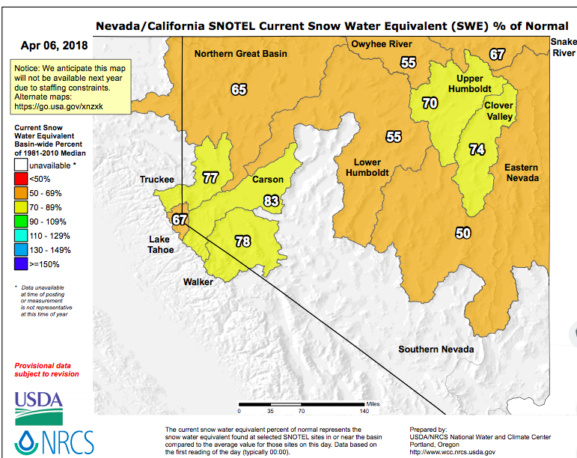
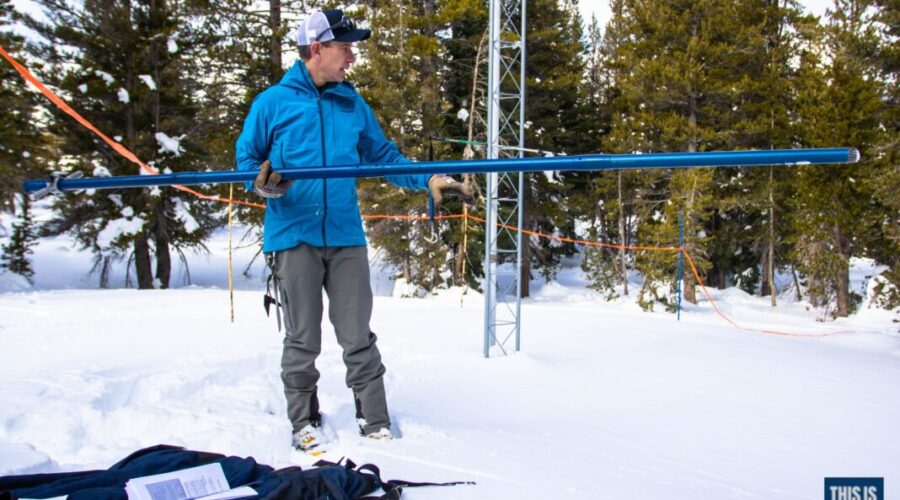
Imagine the Sierra Nevada as a regal monarch, its snowy mantle gleaming under the winter sun, a symbol of abundance and resilience. Yet, this winter, the crown has been stripped bare, revealing the stark reality beneath. The snowpack, measured meticulously each April 1, serves as a barometer of the year’s water prospects. At just 17% of median, it is not merely a deficit—it is a collapse. The culprits are manifold: a warming climate that hastens sublimation, erratic precipitation patterns that favor rain over snow, and a prolonged drought that has stretched the limits of nature’s endurance. The once-reliable snowpack, a slow-release hydrological gift, has been reduced to a shadow of its former self, leaving Nevada’s water managers scrambling to recalibrate their strategies.
Reservoirs on the Brink: The Domino Effect of Scant Snowmelt
Nevada’s reservoirs, those gleaming sentinels of stored water, are now operating in survival mode. Lake Mead and Lake Tahoe, lifelines for millions, teeter on the edge of historic lows, their once-full basins now resembling cracked desert floors. The meager snowpack means diminished inflows, a trickle instead of a torrent, and the reservoirs—already depleted from years of overuse—are ill-equipped to weather such scarcity. The domino effect is unmistakable: reduced snowmelt translates to lower river flows, which in turn curtails hydroelectric power generation, exacerbates groundwater depletion, and threatens agricultural viability. The state’s delicate water balance, finely tuned over generations, is now at risk of unraveling entirely.
Urban and Rural Divides: A Tale of Two Nevadas
The water crisis does not discriminate, but its impacts are unevenly distributed. Urban centers, with their sprawling infrastructure and political clout, often secure their share of dwindling resources through conservation mandates and diversified supply chains. Yet, rural communities—particularly those dependent on agriculture or small-scale water systems—face an existential threat. The snowpack’s decline is not just a statistic; it is a death knell for farms that rely on irrigation, for towns that depend on wells fed by ancient aquifers, and for ecosystems that have thrived for millennia. The divide between Nevada’s glittering cities and its struggling hinterlands has never been more pronounced, underscoring the need for equitable solutions that transcend geographic boundaries.
Innovation in the Desert: Charting a Path Forward
Amidst the gloom, a glimmer of hope emerges in the form of innovation. Nevada, no stranger to adversity, is pioneering solutions that blend tradition with cutting-edge technology. Desalination plants, though energy-intensive, offer a lifeline for coastal regions, while advanced water recycling systems transform wastewater into a renewable resource. Groundwater recharge projects, designed to replenish aquifers, are being fast-tracked, and cloud-seeding initiatives aim to coax more precipitation from the skies. Yet, these measures are not silver bullets. They require substantial investment, public buy-in, and a willingness to rethink outdated water management paradigms. The path forward demands not just ingenuity, but a collective reimagining of Nevada’s relationship with water.
The April 1 snowpack reading is more than a data point—it is a wake-up call. Nevada stands at a crossroads, where the choices made today will determine the fate of its landscapes, economies, and communities for decades to come. The white crown may have faded, but the state’s resilience remains undimmed. By embracing innovation, fostering collaboration, and prioritizing sustainability, Nevada can turn the tide, transforming scarcity into opportunity and ensuring that its water story is one of renewal rather than ruin.