17% of Median: The Shocking Nevada Snowpack Figure for Lake Tahoe
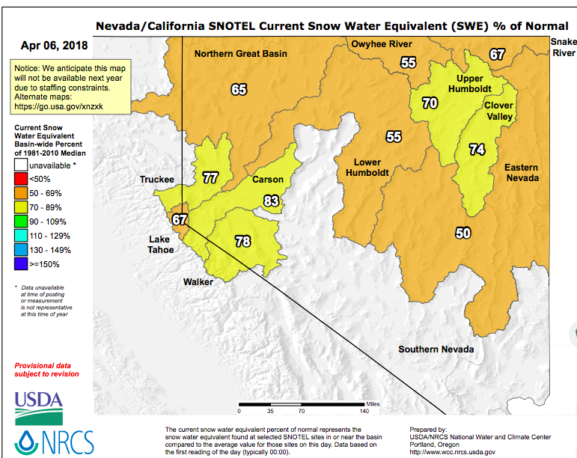
The Nevada snowpack, a barometer of the region’s hydrological health, has long been a silent sentinel, its fluctuations whispering tales of climatic shifts. Yet today, it speaks in a voice that demands attention. At a mere 17% of its median, the snowpack of Lake Tahoe stands as a stark anomaly—a figure so low it borders on the surreal. This isn’t just a statistic; it’s a harbinger, a signal that the delicate balance of nature’s rhythms may be unraveling before our eyes. What does this unprecedented decline reveal about the broader ecological and societal implications for the American West?
The Vanishing Veil of Winter
Snowpack, often described as nature’s reservoir, is more than frozen water—it’s a lifeline. For Lake Tahoe and the surrounding Sierra Nevada, it dictates the rhythm of life, from the parched throats of summer to the thirsty soils of autumn. A snowpack at 17% of its median isn’t just a deficit; it’s a collapse. The Sierra Nevada, a mountain range that typically blankets itself in a thick, insulating layer of snow, now resembles a skeletal frame, its peaks gaunt and exposed. This isn’t merely a seasonal aberration; it’s a structural failure of a system that has sustained ecosystems and economies for generations.
The implications are immediate and far-reaching. Streams that once flowed with the vigor of a thousand melting glaciers now trickle like forgotten faucets. Reservoirs, already strained by years of drought, face even greater pressure. The once-reliable snowmelt, which recharges groundwater and fills lakes, has dwindled to a fraction of its former self. What happens when the veil of winter lifts too soon, leaving the land parched and the future uncertain?
The Domino Effect on Ecosystems
Beneath the surface, the repercussions of this snowpack decline are cascading through the region’s ecosystems like a slow-motion avalanche. Forests, adapted to a rhythm of snowmelt and growth, now confront a new reality—one where water is scarce and competition is fierce. Trees, already stressed by rising temperatures, face an existential threat. The delicate balance between flora and fauna is disrupted, as species that rely on snowpack-dependent habitats find their homes shrinking or disappearing entirely.
Consider the fate of the Sierra Nevada’s amphibians, creatures that depend on the cold, oxygen-rich waters of snow-fed streams. As these streams shrink, so too do their populations. Meanwhile, the absence of snowpack alters fire regimes, turning forests into tinderboxes primed for catastrophic wildfires. The land, stripped of its natural defenses, becomes a canvas for destruction. What does it mean for a landscape to lose its resilience, to become a shadow of what it once was?
Human Footprints in a Fragile Landscape
The human dimension of this crisis cannot be overstated. Lake Tahoe, a jewel of the West, draws millions of visitors annually, its shores lined with communities that depend on its pristine waters. Yet, with snowpack at a fraction of its norm, the lake’s levels are dropping, its clarity threatened by the encroaching demands of thirsty cities and agriculture. The economic repercussions are profound—tourism, a cornerstone of the regional economy, faces uncertainty as winter sports enthusiasts find fewer slopes to conquer and fewer powder days to cherish.
Water rights, a contentious issue in the American West, are being tested like never before. As municipalities and agricultural interests scramble to secure dwindling resources, conflicts simmer beneath the surface. The snowpack, once a predictable ally, has become an unreliable partner. What happens when the very foundation of water management—historically rooted in the assumption of reliable snowfall—crumbles beneath our feet?
A Call to Reckoning
The 17% snowpack figure is more than a data point; it’s a wake-up call. It demands that we confront the fragility of the systems we’ve taken for granted and the urgency of adapting to a changing climate. The American West is at a crossroads, where the choices made today will echo through the decades. Will we cling to outdated models of water management, or will we embrace innovation and collaboration to safeguard our future?
Lake Tahoe’s snowpack is not just a reflection of the past—it’s a warning for the future. The time to act is now, before the silence of the snow becomes the silence of a landscape that can no longer sustain us.