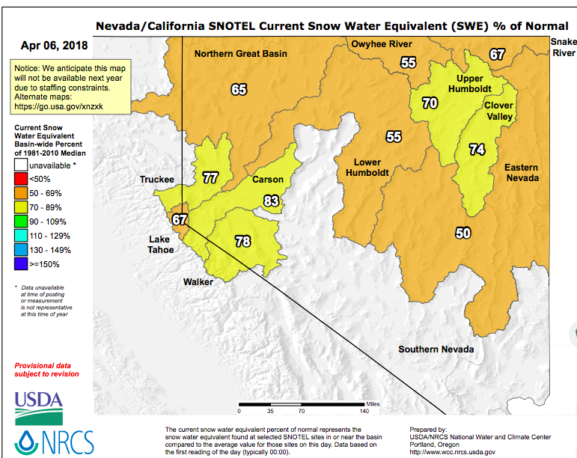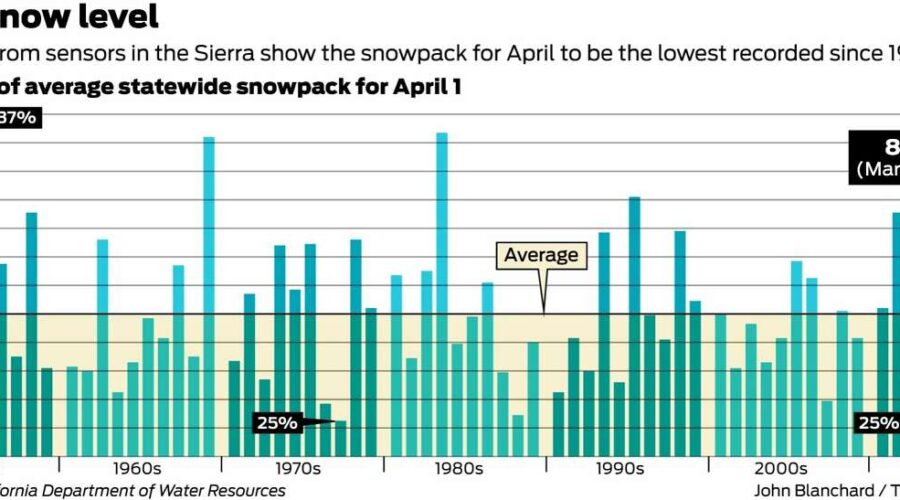
Nevada Drought Intensifies as Snowpack in Key Basin Hits Record Low
The Sierra Nevada’s snowpack, once a barometer of regional resilience, now stands as a stark emblem of a changing climate. In a season where the mountains should groan under the weight of winter’s bounty, they whisper instead of scarcity. Nevada, a state already acquainted with arid tenacity, finds itself on the precipice of a crisis that stretches far beyond its borders. The record-low snowpack in this critical basin isn’t merely a statistic—it’s a harbinger, a silent alarm that demands our attention before the echoes of drought grow deafening.
A Vanishing Legacy: The Snowpack’s Role in a Fragile Ecosystem
The Sierra Nevada’s snowpack has long been the lifeblood of Nevada’s water supply, a frozen reservoir that melts into rivers and aquifers with the rhythm of the seasons. This year, however, the snowpack has dwindled to a fraction of its historical average, a phenomenon that disrupts the delicate balance of an ecosystem already strained by relentless heat and erratic precipitation. Streams that once rushed with snowmelt now trickle like forgotten whispers, while reservoirs stand at levels that evoke the parched landscapes of a distant, drier era. The snowpack’s decline isn’t just a loss of water—it’s a unraveling of a natural contract, one that sustained agriculture, communities, and wildlife for generations.
The Domino Effect: How Low Snowpack Ripples Through Society
The consequences of this hydrological drought extend far beyond the mountains. Nevada’s agricultural heartlands, where alfalfa fields and vineyards rely on snow-fed irrigation, face the grim prospect of reduced yields or even fallowed land. Municipal water supplies, already under scrutiny, may soon confront rationing measures that pit neighbor against neighbor in a scramble for survival. Even the state’s tourism industry, a vital economic pillar, could falter as ski resorts struggle to maintain slopes and visitors seek greener pastures. The low snowpack isn’t an isolated event—it’s a catalyst, accelerating a cascade of challenges that threaten to reshape Nevada’s social and economic fabric.
Climate Change: The Invisible Hand Behind the Crisis
While droughts are not strangers to Nevada, the intensity and duration of this one defy historical patterns. Scientists point to a warming planet, where rising temperatures have shortened the snow season and shifted precipitation from snow to rain, robbing the mountains of their ability to store water for the dry months ahead. The Sierra Nevada, once a bastion of snowpack stability, now reflects the broader global trend: a climate system pushed to its limits. This isn’t just about less snow—it’s about a fundamental alteration in the way water moves through the landscape, leaving communities to grapple with a future that feels increasingly uncertain.
Innovation and Adaptation: Nevada’s Path Forward
Yet, within this challenge lies an opportunity to rethink how water is managed and conserved. Nevada has already taken strides, from investing in water recycling and desalination to incentivizing drought-resistant agriculture. The state’s leaders and residents must now confront the reality that adaptation is not optional—it’s essential. Groundwater recharge projects, expanded storage solutions, and community-led conservation efforts could mitigate the worst impacts of the drought. But these measures require more than policy changes; they demand a cultural shift, one that embraces water as a finite and precious resource rather than an endless commodity.
The Sierra Nevada’s snowpack may have reached a historic low, but the story isn’t over. Nevada stands at a crossroads, where the choices made today will determine whether the state emerges stronger or succumbs to the creeping grip of drought. The crisis is a test—a test of resilience, ingenuity, and collective will. How the state responds will not only shape its own future but also serve as a model for regions grappling with the same unforgiving realities of a warming world.