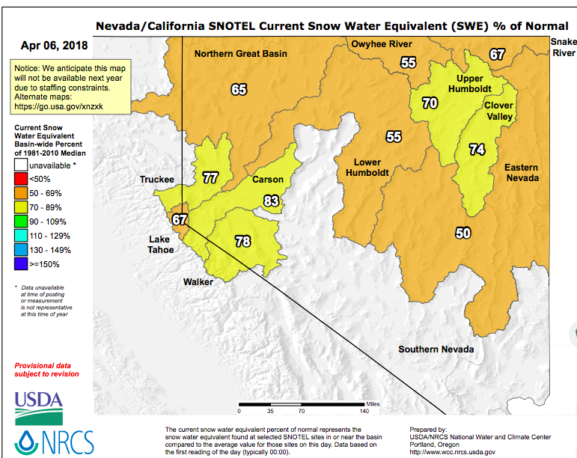
Nevada’s 17% Snowpack Problem: A Preview of Climate Change Impacts?
The Sierra Nevada’s snowpack, a lifeline for Nevada’s arid landscapes, has dwindled to a mere 17% of its historical average this season—a stark reminder of the accelerating climate crisis. As winter’s frozen reservoirs melt prematurely, the state braces for cascading consequences that extend far beyond the ski slopes. This isn’t just a seasonal anomaly; it’s a harbinger of systemic shifts that will reshape water security, ecosystems, and economies across the West. What does this dramatic decline portend for Nevada’s future, and how can communities adapt before the next crisis strikes?
The Vanishing Snow: A Hydrological Tipping Point
Snowpack acts as nature’s water tower, storing precipitation in frozen form and releasing it gradually as temperatures rise. In Nevada, where annual rainfall often barely surpasses a few inches, this frozen reservoir is indispensable. Yet, with temperatures climbing and precipitation patterns growing erratic, the snowpack’s ability to replenish aquifers and sustain rivers is faltering. The 17% figure isn’t just a statistic—it’s a symptom of a broader hydrological unraveling. Warmer winters mean more rain instead of snow, while earlier thaws leave reservoirs empty before the peak of summer demand. For a state already grappling with groundwater depletion, this shift threatens to exacerbate drought conditions, straining both urban and agricultural water supplies.
Ecosystems in Freefall: The Silent Collapse of Alpine Habitats
The repercussions extend beyond human infrastructure. Alpine ecosystems, finely tuned to seasonal snowmelt cycles, are facing collapse. Species like the Sierra Nevada bighorn sheep and the endangered Lahontan cutthroat trout rely on predictable water flows to survive. As snowpack diminishes, stream temperatures rise, oxygen levels plummet, and habitats fragment. Invasive species, once held in check by cold, high-elevation waters, now encroach upon dwindling refuges. The ripple effects are profound: pollinators lose critical flowering windows, while forests become tinderboxes for wildfires that scorch what little snow remains. Nevada’s high deserts, already fragile, are on the brink of ecological transformation—one that may render them unrecognizable within decades.
Economic Aftershocks: From Ski Slopes to Water Bills
The economic toll of a shrinking snowpack is multifaceted. Tourism, a cornerstone of Nevada’s economy, hinges on winter recreation. Resorts like Lake Tahoe and Mount Rose face shorter seasons and dwindling snowmaking capabilities, threatening jobs and local revenues. Meanwhile, agriculture—responsible for billions in annual output—relies on irrigation from snow-fed rivers. As water allocations shrink, farmers may turn to costlier groundwater pumping, driving up food prices and depleting finite aquifers. Urban centers, too, feel the pinch. Las Vegas, a city built on the Colorado River’s dwindling flows, now confronts the paradox of a shrinking snowpack upstream while its own demand surges. The financial strain isn’t just local; it’s a domino effect that could destabilize regional trade and supply chains.
Adaptation in the Crosshairs: Policy, Innovation, and Community Resilience
Nevada’s response must be as multifaceted as the crisis itself. On the policy front, aggressive water conservation measures—such as tiered pricing and rebates for drought-resistant landscaping—are essential. Investments in water recycling and desalination, though energy-intensive, may offer long-term relief. Technological innovations, like AI-driven snowpack monitoring and precision agriculture, can optimize resource use. Yet, adaptation isn’t solely a matter of infrastructure. Indigenous communities, whose ancestral lands span these watersheds, hold time-tested knowledge of water stewardship. Integrating traditional ecological practices with modern science could yield sustainable solutions. Equally critical is public engagement: educating residents on water-wise habits and fostering a culture of conservation before the next drought hits.
The 17% snowpack isn’t an isolated blip—it’s a clarion call. Nevada stands at the nexus of climate change’s most pressing challenges, where the choices made today will echo for generations. The path forward demands urgency, creativity, and collaboration. As the snow recedes, so too must complacency. The time to act is not when the reservoirs run dry, but now—before the next winter’s silence becomes permanent.