7 Ways to Conserve Water During Nevada’s 17% Snowpack Summer
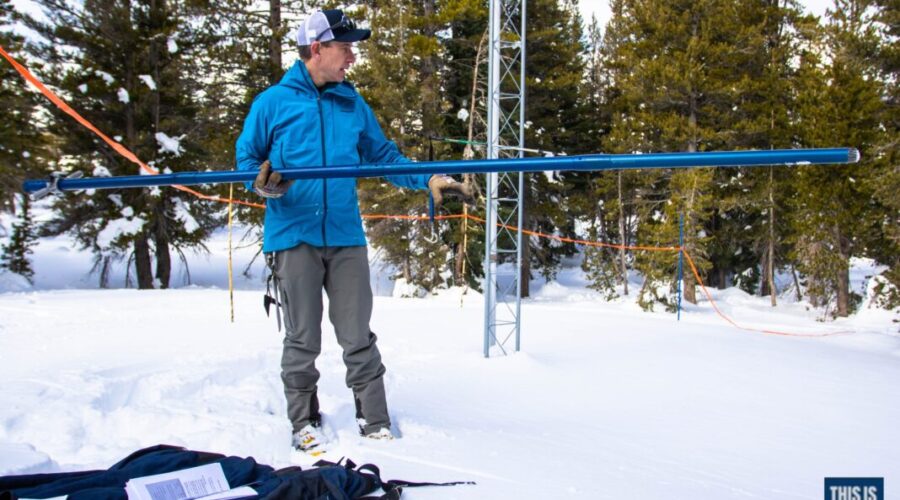
Nevada’s arid embrace tightens as the snowpack dwindles to a mere 17% of its median—a stark reminder of the state’s precarious relationship with water. The Sierra Nevada’s once-reliable snowmelt, now a whisper of its former self, underscores the urgency of conservation. Yet, beyond the immediate scarcity lies a deeper narrative: one of resilience, innovation, and the delicate balance between human need and environmental stewardship. As the sun bakes the desert floor and reservoirs recede, the question lingers—not just of survival, but of how to thrive in a landscape that demands more than it gives.
The Art of the Drip: Mastering Irrigation Efficiency
In a state where every drop counts, traditional irrigation methods hemorrhage precious water. The solution? Drip irrigation—a precision tool that delivers moisture directly to plant roots, slashing evaporation losses by up to 60%. For Nevada’s homeowners and farmers alike, this isn’t just a technique; it’s a paradigm shift. By coupling drip systems with soil moisture sensors, watering schedules can be calibrated to the exact needs of crops, eliminating the wasteful guesswork of sprinklers. The result? Lush gardens and bountiful harvests, even as the sky withholds its bounty.
Xeriscaping: Where Beauty Meets Aridity
The term “xeriscaping” may evoke images of barren landscapes, but its reality is far more vibrant. This design philosophy embraces native, drought-tolerant flora—plants that have evolved to thrive in Nevada’s harsh conditions. Creosote bushes, yuccas, and penstemons paint the desert in hues of green and gold, all while demanding a fraction of the water required by thirsty ornamentals. Beyond aesthetics, xeriscaping reduces maintenance, curbs runoff, and fosters biodiversity. It’s a quiet rebellion against the green lawns of more temperate climes, proving that sustainability and splendor need not be mutually exclusive.
Graywater Harvesting: Repurposing the Unseen Flow
Every time a shower runs, a sink drains, or a washing machine spins, gallons of reusable water vanish down the pipes. Graywater harvesting intercepts this overlooked resource, redirecting it for irrigation or toilet flushing. With simple systems—like branched drains or laundry-to-landscape setups—homeowners can transform waste into a lifeline for their gardens. Nevada’s building codes now accommodate this practice, signaling a shift toward circular water systems. The deeper implication? A redefinition of waste itself, where nothing is discarded, and everything is recirculated.
Mulching: The Unsung Guardian of Moisture
Mulch is more than a decorative ground cover; it’s a moisture sentinel. A thick layer of organic mulch—wood chips, straw, or even shredded leaves—shields the soil from the sun’s relentless gaze, slowing evaporation and suppressing weeds that compete for water. In Nevada’s scorching summers, this humble practice can reduce irrigation needs by 25% to 50%. Beyond its functional role, mulch enriches the soil as it decomposes, fostering a self-sustaining ecosystem. It’s a testament to nature’s ability to provide, if only we let it.
Rainwater Catchment: Capturing the Ephemeral Gift
Nevada’s rainfall is sporadic, but when it arrives, it arrives in force. Rainwater catchment systems—barrels, cisterns, or underground tanks—harness these fleeting downpours, storing them for leaner times. A single 1,000-gallon tank can collect enough runoff from a modest roof to irrigate a small garden for weeks. The technology is simple, but its impact is profound: it transforms the desert’s whims into a reliable resource. As climate patterns grow increasingly erratic, such systems offer a buffer against uncertainty, turning storms into savings.
Toilet Retrofits: Flushing Waste into the Past
Old toilets are water guzzlers, consuming up to 6 gallons per flush. High-efficiency models, however, slash this figure to 1.28 gallons or less. For Nevada, where water pressure is a luxury, low-flow toilets are not just an upgrade—they’re a necessity. Retrofitting existing fixtures with dual-flush mechanisms or displacement devices (like a filled plastic bottle in the tank) can yield similar savings without the cost of replacement. The message is clear: conservation doesn’t always require grand gestures, but rather a willingness to rethink the ordinary.
Community Collaboration: The Power of Shared Responsibility
Water conservation in Nevada cannot be a solitary endeavor. Municipalities, businesses, and residents must unite in their efforts, sharing best practices and resources. Programs like the Southern Nevada Water Authority’s Water Smart Landscapes rebate incentivize turf removal, while local conservation districts offer workshops on soil health and irrigation techniques. The deeper lesson here is one of interdependence—a recognition that individual actions ripple outward, shaping the collective future. In a state where water is both currency and lifeblood, collaboration isn’t just beneficial; it’s essential.
The Nevada summer is a crucible, testing the limits of both land and ingenuity. Yet within its arid expanse lies an opportunity—not for despair, but for reinvention. By embracing these seven strategies, residents can transform scarcity into sustainability, proving that even in the driest of times, abundance is possible. The challenge is not just to endure, but to adapt, to innovate, and to redefine what it means to live in harmony with the desert.