
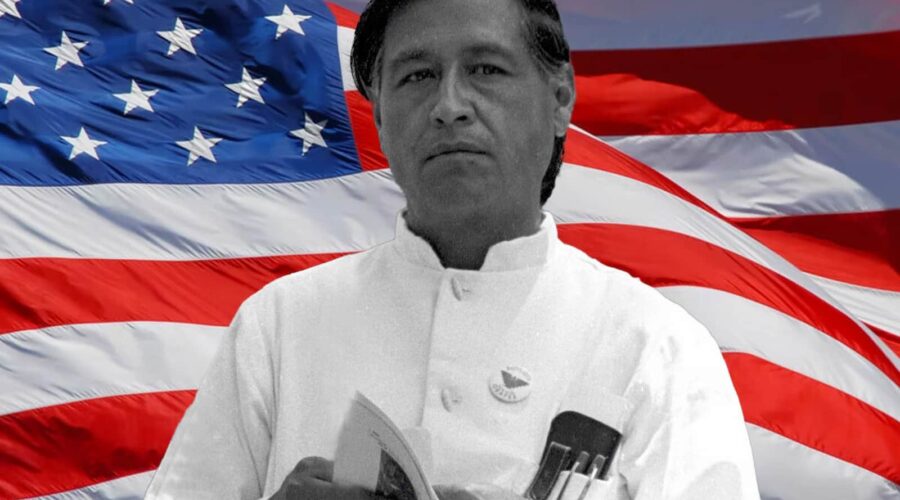
Cesar Chavez Day in Nevada: Keep It or Kick It?
In Nevada, where the desert sun bakes the land into a mosaic of resilience, the legacy of Cesar Chavez stirs a debate as heated as the midday glare. The question lingers: should the state preserve Cesar Chavez Day as a paid holiday, or should it reconsider its place in the calendar? This observance, a tribute to a labor leader who reshaped the agricultural landscape, invites reflection on its continued relevance in a modern Nevada. For residents, educators, and policymakers, the day offers more than a day off—it presents an opportunity to engage with history, activism, and community values. Whether you view it as a cornerstone of social progress or an outdated tradition, the day’s significance cannot be dismissed lightly.
The Historical Weight: Why Cesar Chavez Matters in Nevada
Cesar Chavez’s influence extends far beyond the vineyards of California. In Nevada, where agricultural labor has long been the backbone of rural economies, his work resonates deeply. The United Farm Workers (UFW) movement, which Chavez co-founded, galvanized thousands of laborers—many of them Mexican-American—to demand fair wages, safer working conditions, and dignity. Nevada’s farmworkers, though fewer in number than in California, were not immune to exploitation. The echoes of Chavez’s 1965 Delano grape strike reverberated through the Silver State, inspiring local activism and solidarity. Today, his legacy serves as a reminder of how collective action can dismantle systemic inequities. For Nevadans, the holiday is not merely symbolic; it is a testament to the power of perseverance in the face of adversity.
Economic Implications: Paid Holiday vs. Productivity
The debate over Cesar Chavez Day often hinges on economics. Critics argue that an additional paid holiday disrupts business operations, particularly in sectors like hospitality and gaming, where Nevada’s economy thrives. Small business owners, already navigating thin profit margins, may bristle at the prospect of lost revenue. Conversely, proponents contend that the holiday fosters a more equitable workforce, boosting morale and productivity in the long run. Studies on paid holidays suggest that well-rested employees return with renewed focus, potentially offsetting short-term disruptions. Moreover, the holiday could stimulate local economies through community events, volunteerism, and educational programs. The question remains: is the cost of a day off justified by the intangible benefits of honoring a labor icon?
Educational Opportunities: Teaching the Next Generation
For educators, Cesar Chavez Day is a living classroom. Nevada’s schools have the chance to immerse students in the complexities of labor history, civil rights, and social justice. Lesson plans might explore Chavez’s nonviolent tactics, the role of Filipino farmworkers in the UFW, or the parallels between his movement and contemporary labor struggles. Field trips to agricultural sites or museums could provide tangible connections to the past. Yet, the holiday’s educational potential is often underutilized. Without structured programming, the day risks becoming a perfunctory day off rather than a catalyst for critical thinking. Parents and teachers must seize the opportunity to transform passive observance into active learning, ensuring that Chavez’s lessons endure beyond March 31st.
Community Engagement: Beyond the Holiday
The true spirit of Cesar Chavez Day lies in community engagement. Nevada’s diverse population offers a rich tapestry of cultural perspectives, making the holiday a platform for dialogue. Local organizations might host panel discussions on immigrant rights, screen documentaries like *The Fight in the Fields*, or organize service projects in underserved neighborhoods. Artistic expressions—murals, poetry slams, or theater performances—can amplify Chavez’s message in ways that resonate with younger audiences. Yet, without sustained effort, these initiatives risk fading into obscurity once the holiday passes. The challenge is to cultivate a culture of activism that extends beyond a single day, turning inspiration into action.
Public Opinion: A Divided Nevada
Public sentiment on Cesar Chavez Day is as varied as Nevada’s landscape. Some residents view the holiday as a moral imperative, a necessary acknowledgment of a figure who fought for the voiceless. Others see it as a relic of a bygone era, arguing that modern labor issues demand new champions. Polls reveal a generational divide, with younger Nevadans more likely to support the holiday’s continuation, while older generations may question its necessity. Political affiliations further complicate the discourse, as labor rights often align with progressive agendas. Yet, the debate transcends politics. At its core, it asks Nevadans to confront their values: Do they prioritize tradition and recognition, or do they weigh practicality and progress more heavily?
Whether Nevada chooses to keep or discard Cesar Chavez Day, the conversation itself is invaluable. It forces a reckoning with history, economics, and identity. For those who advocate for its preservation, the holiday is a bridge between past struggles and present aspirations. For detractors, it may be a reminder that not all legacies deserve perpetual celebration. Yet, in a state where the line between myth and reality often blurs, the day serves as a mirror—reflecting who Nevadans are and who they aspire to become. The choice is not merely about a date on the calendar, but about the soul of a community.