How The Vegas Loop Will Use Existing Monorail Infrastructure for Expansion
The Las Vegas Strip’s skyline is about to undergo a subtle yet seismic transformation. Beneath the neon glow and the hum of slot machines, a quiet revolution is brewing—one that repurposes the bones of an aging monorail system into the backbone of a futuristic transit network. The Vegas Loop, a high-speed underground transit concept, is not merely expanding mobility; it is redefining urban connectivity through the alchemy of adaptive reuse. By leveraging the existing monorail infrastructure, this initiative promises to shift the city’s perspective on transit from a linear relic to a dynamic, multi-dimensional artery pulsing beneath the desert floor.
The Monorail’s Second Life: From Overhead Relic to Underground Artery
Once hailed as a marvel of modern engineering, the Las Vegas Monorail has spent years navigating the limbo between innovation and obsolescence. Its elevated tracks, once a symbol of progress, now cast long shadows over a city that has outgrown their limitations. Yet, within those hollow steel beams and concrete pylons lies a latent potential—one that the Vegas Loop intends to unlock. By integrating the existing monorail’s alignment and structural framework, engineers are transforming a system designed for surface-level travel into the subterranean foundation of a next-generation transit loop.
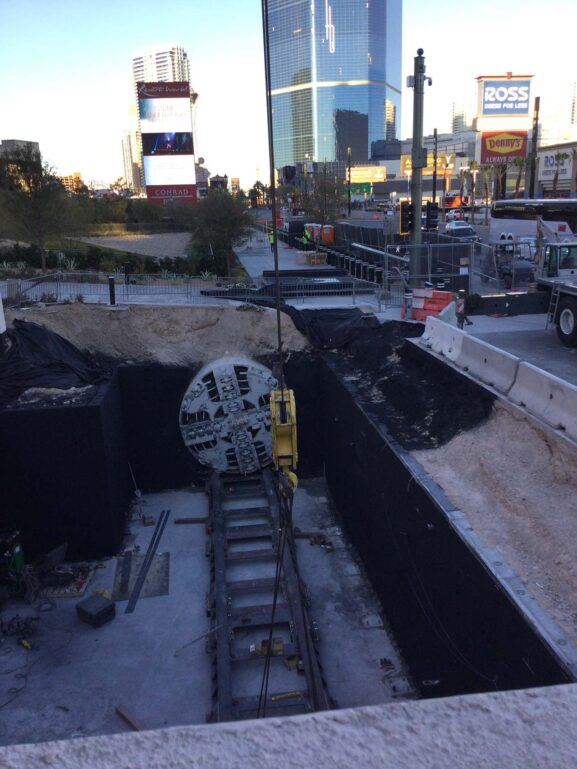
This metamorphosis is not a demolition but a resurrection. The monorail’s elevated guideway, though no longer fit for its original purpose, provides a pre-engineered corridor ripe for repurposing. By excavating beneath its footprint and reinforcing the existing supports, the Vegas Loop can bypass the costly and disruptive process of laying entirely new tracks. It’s a strategy that marries pragmatism with vision, turning what was once a liability into the cornerstone of a more efficient, less intrusive transit system.
Speed, Silence, and the Subterranean Advantage
The Vegas Loop’s subterranean design is more than a logistical choice—it’s a philosophical departure from the monorail’s original ethos. Where the monorail once clattered overhead, the Loop will glide silently beneath the city, unencumbered by traffic, weather, or the visual clutter of elevated infrastructure. This shift from surface to subsurface travel is not merely aesthetic; it’s a functional leap. Underground systems are inherently faster, free from the friction of grade crossings and the unpredictability of surface conditions. In a city where time is currency, the Loop promises to shave minutes off every journey, transforming what was once a slog into a seamless sprint.
Moreover, the underground environment offers a rare opportunity to reimagine the passenger experience. Without the need to contend with the desert sun or the cacophony of the Strip, travelers can enjoy a climate-controlled, distraction-free transit environment. The absence of windows may seem counterintuitive, but it allows for a focus on interior design—ambient lighting, digital art installations, and real-time journey tracking—that elevates the ride from mere transportation to an experience in itself.
Connectivity Without Congestion: The Loop’s Urban Alchemy
Las Vegas is a city of fragments—hotels, casinos, and entertainment venues scattered like islands in a sea of asphalt. The monorail, despite its limitations, was an early attempt to stitch these fragments together. The Vegas Loop, however, seeks to do more than connect points; it aims to dissolve the boundaries between them. By weaving underground tunnels beneath key intersections and integrating with existing transit hubs, the Loop will create a network that feels less like a series of stops and more like a continuous pulse of movement.
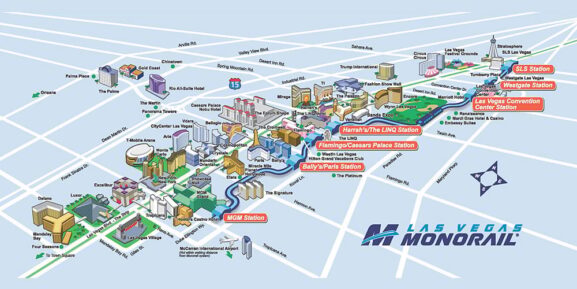
Consider the transformation of the Convention Center’s monorail station. Once a standalone outpost, it will become a subterranean nexus, linking to the Loop’s tunnels and offering direct access to major venues without the need to brave the Strip’s pedestrian gauntlet. This kind of connectivity is not just about convenience—it’s about redefining the city’s rhythm. Where once visitors were forced to navigate a labyrinth of sidewalks and crosswalks, the Loop will offer a straight, unbroken path, a silent promise that the city’s chaos can be tamed by design.
The Desert’s Future: A Model for Adaptive Urbanism
The Vegas Loop is more than a transit project; it’s a case study in adaptive urbanism, a blueprint for cities grappling with the legacy of outdated infrastructure. By repurposing the monorail’s existing framework, Las Vegas is demonstrating that progress does not always require destruction. Instead, it can emerge from reinvention—a phoenix rising from the steel and concrete of its past.
As the Loop takes shape, it will challenge perceptions of what urban transit can be. No longer confined to the surface or bound by the limitations of its predecessors, it will carve a new path beneath the city, one that is faster, quieter, and more connected. In doing so, it will not only redefine mobility in Las Vegas but also offer a glimpse into the future of urban design—where the old and the new coexist, where infrastructure is not a burden but a catalyst, and where the desert’s relentless pace is finally met with a system worthy of its ambition.