Las Vegas Monorail Tracks Face Modifications to Connect With Boring Co. Tunnels
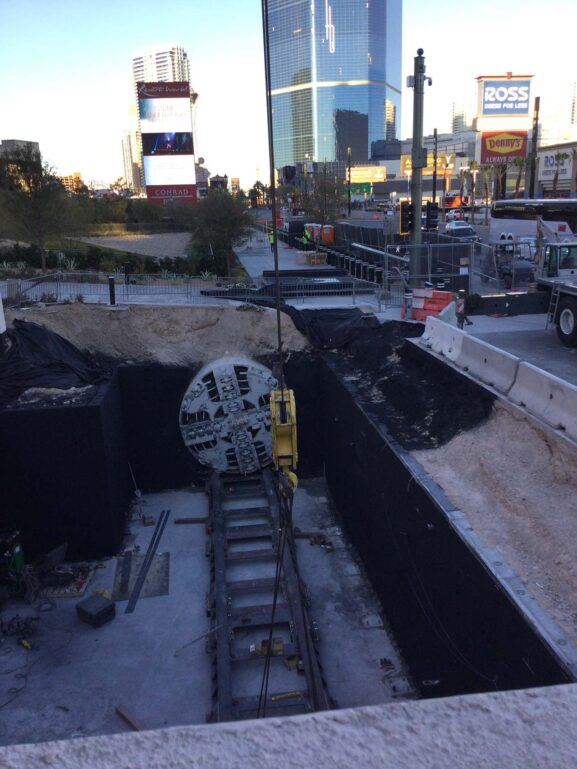
The Las Vegas Strip, a glittering artery of neon and ambition, is about to undergo a subterranean metamorphosis. Beneath its pulsating surface, a quiet revolution is brewing—one that promises to redefine urban mobility. The Las Vegas Monorail, a steel-and-concrete sentinel of the city’s transit infrastructure, now faces a pivotal evolution: modifications to its tracks to seamlessly integrate with The Boring Company’s experimental tunnels. This convergence of two distinct transportation paradigms isn’t merely an engineering feat; it’s a harbinger of how cities might reconcile legacy systems with avant-garde innovation.
The Monorail’s Legacy: A Steel Spine in Need of Adaptation
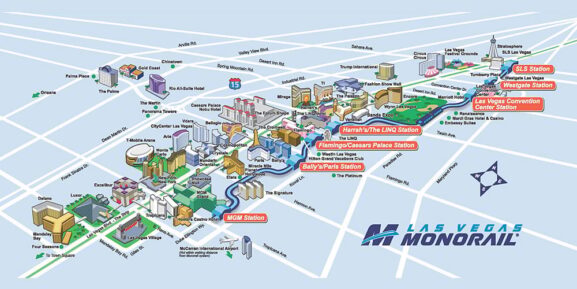
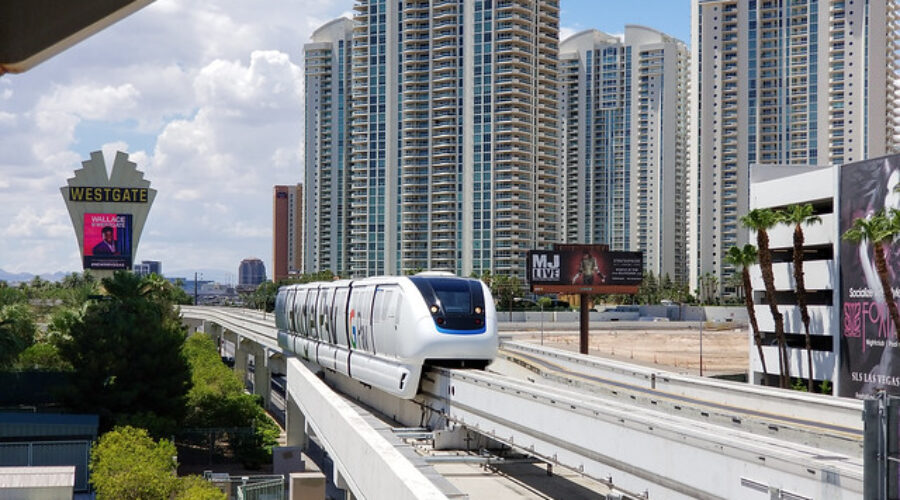
The Las Vegas Monorail, inaugurated in 2004, has long been a symbol of the city’s relentless pursuit of spectacle. Its elevated tracks, stretching 3.9 miles through the heart of the Strip, ferry thousands daily, offering a vantage point of the city’s architectural excesses. Yet, despite its efficiency, the monorail operates in a silo—disconnected from other transit modes and constrained by its fixed route. The Boring Company’s tunnels, with their promise of high-speed, subterranean travel, present an existential challenge to this status quo. To bridge the divide, engineers must reimagine the monorail’s infrastructure, ensuring compatibility without compromising its existing functionality.
Engineering the Confluence: Tracks, Tunnels, and the Art of Integration
The task at hand is deceptively complex. The monorail’s concrete beams and steel supports were never designed to interface with underground tunnels, where space is at a premium and precision is paramount. Engineers are exploring modular interfaces—adaptive joints that can absorb the monorail’s vibrations while allowing smooth transitions between surface and subterranean segments. Advanced materials, such as carbon-fiber-reinforced polymers, are being tested to reduce weight without sacrificing durability. The goal? A hybrid transit artery that doesn’t just coexist but thrives in its duality.
Yet, the challenge extends beyond mere mechanics. The monorail’s elevated alignment means any tunnel connection must navigate a labyrinth of existing utilities, from fiber-optic cables to stormwater drains. Laser-guided surveying and 3D modeling are critical to mapping these subterranean obstacles, ensuring that the integration doesn’t trigger a cascade of infrastructure failures. The process is akin to performing open-heart surgery on a patient mid-stride—delicate, high-stakes, and fraught with unpredictability.
The Deeper Allure: Why This Fusion Captivates the Imagination
There’s something almost mythic about this endeavor—a city’s oldest dreams colliding with its newest obsessions. The monorail, once a futuristic marvel, now stands as a relic of a bygone era of transit innovation. The Boring Company’s tunnels, meanwhile, embody the audacity of Elon Musk’s vision: a network of subterranean arteries designed to outpace congestion and redefine urban movement. When these two worlds merge, they don’t just create a new transit route; they forge a narrative of progress, where the past and future engage in a silent, ceaseless dialogue.
This fascination isn’t merely technical. It’s existential. Las Vegas, a city built on reinvention, has always thrived on the tension between illusion and reality. The monorail’s sleek, futuristic aesthetic once promised a tomorrow that never quite arrived. Now, as its tracks bend toward the earth, it signals a new chapter—one where the city’s infrastructure evolves not just to serve, but to astonish. The modifications underway aren’t just about connecting two transit systems; they’re about reconnecting the city’s identity with its relentless drive toward the extraordinary.
The Road Ahead: Challenges and the Promise of Transformation
Of course, the path forward is not without its hurdles. Public skepticism lingers, fueled by the Boring Company’s checkered history of overpromising and underdelivering. Critics question whether the tunnels will ever achieve the promised speeds, or if the monorail’s integration will merely create a convoluted hybrid that satisfies no one. Regulatory hurdles, funding uncertainties, and the sheer complexity of retrofitting an existing system all loom large.
Yet, the potential rewards are undeniable. A fully integrated transit network could slash commute times, reduce surface congestion, and set a precedent for other cities grappling with similar challenges. It could also redefine Las Vegas’ relationship with its visitors, offering a seamless journey from airport to hotel to casino without ever touching the ground. The modifications to the monorail tracks are more than an engineering exercise—they’re a statement. A declaration that in a city where the extraordinary is the norm, even the most entrenched systems must evolve or risk obsolescence.
The Las Vegas Monorail’s metamorphosis is a microcosm of a broader urban evolution. As cities worldwide grapple with the dual pressures of growth and sustainability, the fusion of legacy and innovation becomes not just desirable, but inevitable. Las Vegas, with its unapologetic embrace of the future, is leading the charge. And beneath its glittering surface, the ground is shifting—literally and figuratively—toward a new era of transit.