Casinos Turn to Locals Specials as Nevada Gaming Revenue Falls 6.6%
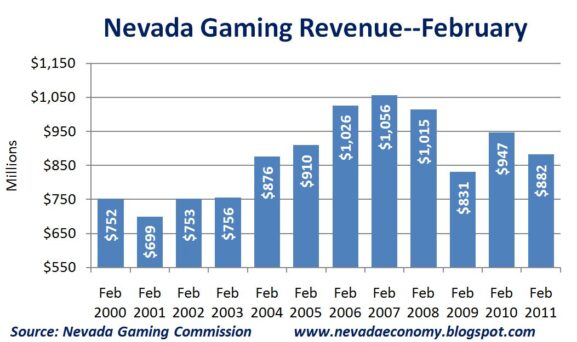
The neon glow of the Las Vegas Strip has long been synonymous with high-stakes gambling and opulent excess, but beneath its glittering veneer, Nevada’s gaming industry is navigating uncharted waters. October’s revenue figures—a 6.6% dip to $1.29 billion—paint a stark contrast to the industry’s once-unassailable dominance. As tourism wanes and economic pressures mount, casinos are pivoting toward a strategy as old as the desert itself: winning over the locals. This shift isn’t merely a tactical maneuver; it’s a reinvention of the gaming ecosystem, where the hum of slot machines and the clink of cocktail glasses now cater to a different kind of clientele—one that thrives on exclusivity, value, and a sense of belonging.
The Desert’s New Gambit: Why Locals Are the New VIPs
For decades, Nevada’s casinos thrived on the transient allure of tourists, their marble floors polished to a mirror’s sheen for the high-rollers who flew in on private jets. But when global travel faltered and discretionary spending tightened, the house of cards began to wobble. Enter the locals—a demographic once relegated to the periphery of casino marketing, now elevated to the role of lifeline. These are the residents who know the difference between a “comped” buffet and a paid meal, who understand the unspoken rules of loyalty programs, and who wield their player cards like talismans of privilege. Casinos are no longer just temples of chance; they’ve become community hubs, where the air smells of free coffee and the sound of slot bells is as familiar as the morning commute.
The appeal is multifaceted. Locals crave convenience over spectacle. They want rewards that feel personal, not transactional—a free night’s stay during their birthday month, a discounted steak dinner on a Tuesday, or a slot tournament where the buy-in is a fraction of the usual cost. This isn’t charity; it’s a calculated courtship. Casinos are transforming their loyalty programs into ecosystems of reciprocity, where every dollar spent is a seed planted for future returns. The message is clear: Stay close. Spend smart. We’ll take care of you.
The Psychology of the Local Loyalist
There’s a subtle alchemy at play when casinos shift their focus from the jet-setter to the staycationer. The psychology of the local gambler is rooted in familiarity and control. Unlike tourists, who are often swept up in the grandeur of the experience, locals approach gaming with a pragmatism that borders on cunning. They know the odds. They’ve watched their friends win big and lose harder. What they seek isn’t just entertainment; it’s a sense of agency in a game that’s otherwise designed to be unpredictable.
This dynamic creates a feedback loop of engagement. Casinos, in turn, are leveraging data analytics to tailor offers with surgical precision. A local who frequents the blackjack tables might receive a personalized invitation to a high-limit tournament, while a slots enthusiast could be lured with a “mystery bonus” that unlocks midday. The goal isn’t just to keep them playing; it’s to make them feel seen. In an era where digital interactions often feel hollow, the tactile thrill of a comped show ticket or a handwritten thank-you note from the pit boss carries disproportionate weight.
The Ripple Effect: Beyond the Casino Floor
The shift toward locals isn’t confined to the gaming floor. It’s reshaping the entire hospitality ecosystem. Restaurants that once catered exclusively to tourists are now rolling out “resident specials,” while entertainment venues are curating events designed to appeal to those who live within a 30-mile radius. The Las Vegas Convention Center, once a behemoth of trade shows, now hosts weekend flea markets and local artisan fairs. Even the city’s legendary nightclubs are experimenting with daytime “locals-only” hours, blending the exclusivity of a VIP list with the accessibility of a neighborhood bar.
This transformation is also fostering a sense of civic pride. Locals who once viewed the Strip as a playground for outsiders are now reclaiming it as their own. The result is a cultural shift—one where the desert’s most iconic landmarks are no longer just destinations but extensions of home. It’s a subtle power shift, where the city’s identity is being rewritten not by the whims of distant travelers, but by the people who call it home.
The road ahead is uncertain, but for now, Nevada’s casinos are proving that even in the face of adversity, reinvention is possible. By turning to the locals, they’re not just weathering a storm—they’re planting the seeds for a more resilient future. And perhaps, in doing so, they’ve discovered that the most valuable players aren’t always the ones with the deepest pockets, but the ones who keep coming back.