The Psychology of Discounts: Nevada Casinos Respond to Gaming Slump
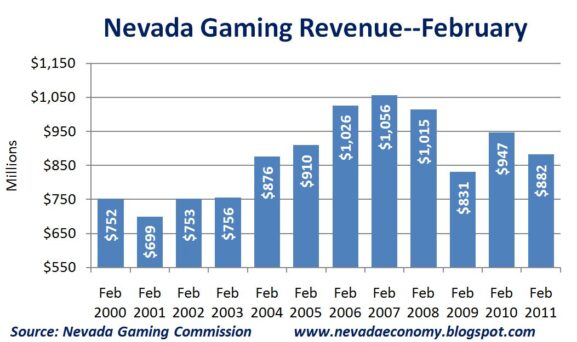
In the neon-lit labyrinth of Nevada’s casinos, where the clink of chips and the hum of slot machines once echoed like a symphony of fortune, a palpable shift has occurred. The gaming industry, long accustomed to the intoxicating allure of high-stakes gamblers and high-rollers, now faces a slump that has sent ripples through its glittering corridors. To combat this downturn, casinos are deploying a psychological arsenal of discounts, not merely as tactical maneuvers but as strategic lures designed to reignite the embers of consumer desire. This metamorphosis in marketing mirrors the delicate art of seduction, where every offer is a whisper in the ear of a hesitant patron, coaxing them back into the embrace of chance.
The Alchemy of Perceived Value: When Discounts Become Currency
Discounts in the casino ecosystem are not mere reductions in price; they are psychological catalysts, transforming the act of spending into an illusion of thrift. The human brain, wired to seek bargains, perceives a discounted suite or a complimentary buffet as a victory—a small triumph over the house. This phenomenon, known as the “discount illusion,” exploits the cognitive bias where consumers equate savings with value, even when the base price remains unchanged. Casinos leverage this by framing discounts as exclusive privileges, subtly shifting the narrative from “spending” to “saving,” thereby softening the resistance to expenditure.
The psychology deepens when these discounts are strategically tiered. A $50 discount on a $200 room feels more substantial than a flat $20 off, not because of the absolute savings, but because the percentage reduction triggers a more visceral response. This tiered approach taps into the “pain of paying” theory, where the brain registers smaller, incremental losses as less jarring than a single, larger outlay. By parceling out discounts, casinos transform the act of spending into a series of palatable nibbles rather than a single, daunting bite.
The Illusion of Scarcity: Creating Urgency in a Sea of Sameness
Scarcity is the siren call of consumer psychology, and Nevada’s casinos have mastered its melody. Limited-time offers, flash sales, and “exclusive” discounts are not just marketing gimmicks; they are psychological pressure points designed to exploit the fear of missing out (FOMO). When a casino announces a 48-hour discount on blackjack tables, it doesn’t just reduce the price—it creates a temporal urgency, a ticking clock that nudges patrons toward immediate action.
This urgency is further amplified by the illusion of exclusivity. Casinos often frame discounts as rewards for “loyal patrons” or “high-frequency players,” subtly segmenting their audience into tiers of perceived importance. The brain, wired to seek belonging, responds to this flattery by associating the discount not just with savings, but with status. A discounted stay at a luxury resort becomes more than a transaction; it becomes a badge of honor, a symbol of being part of an elite cadre of gamblers.
The Gambler’s Dilemma: Discounts as Psychological Traps
Yet, beneath the shimmering surface of these discounts lies a more insidious psychological trap. The gambler, lured by the promise of value, may find themselves ensnared in a cycle of spending that extends far beyond the discounted offer. The brain, once primed by the thrill of a bargain, becomes susceptible to additional expenditures—another spin of the wheel, another hand of poker, another night in the suite. This phenomenon, known as the “sunk cost fallacy,” compels individuals to justify their initial discount-driven expenditure by doubling down on their bets.
Casinos are acutely aware of this dynamic. A discounted room is not just a loss leader; it is an investment in the gambler’s psyche, a psychological anchor that keeps them tethered to the gaming floor. The discounts, in this sense, are not just financial incentives but psychological gambits, designed to blur the line between rational spending and compulsive behavior. The gambler, seduced by the initial lure of savings, may find themselves trapped in a labyrinth of their own making, chasing the high of the next win.
The Future of Discounts: A Double-Edged Sword
As Nevada’s casinos navigate this slump, the future of discounts remains a double-edged sword. On one hand, they offer a lifeline, a way to reignite interest and fill empty seats. On the other, they risk eroding the long-term value of the gaming experience, reducing it to a transactional exchange rather than an immersive escape. The challenge for casinos lies in balancing these incentives with the preservation of their brand’s allure—the intangible magic that transforms a simple bet into an unforgettable night.
In the end, the psychology of discounts is a dance—a delicate waltz between persuasion and peril. For the casinos, it is a gamble worth taking. For the gambler, it is a reminder that every discount, no matter how enticing, comes with a price. And in the neon-lit world of Nevada’s casinos, that price is often far greater than the savings suggest.