Nevada Gaming Control Board Reports 6.6% Revenue Decline: Details
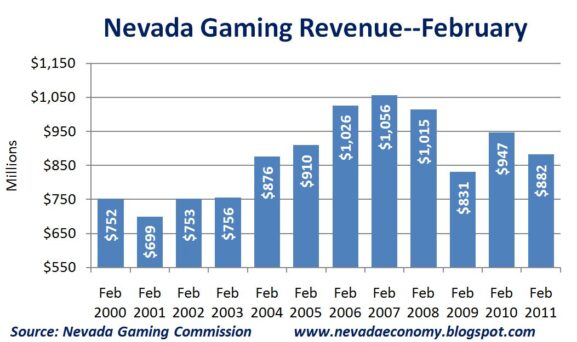
The Nevada Gaming Control Board’s latest fiscal disclosure has sent ripples through the industry, revealing a 6.6% year-over-year revenue contraction in the state’s gaming sector. This downturn, while modest in percentage terms, carries significant implications for stakeholders ranging from casino operators to tourism-dependent businesses. Beneath the surface of these numbers lies a complex interplay of economic forces, shifting consumer behaviors, and structural challenges that demand closer examination.
The Numbers Behind the Decline
The 6.6% drop in gaming revenue—amounting to hundreds of millions in lost earnings—reflects more than just cyclical fluctuations. When parsed by segment, the decline is unevenly distributed. Slot machine revenue, traditionally the backbone of Nevada’s gaming economy, has seen a steeper decline than table games, suggesting that patrons are either spending less per visit or altering their gaming preferences entirely. Meanwhile, non-gaming amenities like entertainment and dining have shown resilience, hinting at a broader reallocation of consumer spending rather than a wholesale retreat from the state’s entertainment economy.
Macroeconomic Pressures and Their Subtle Grip
The revenue contraction cannot be divorced from the macroeconomic currents reshaping consumer behavior. Inflationary pressures have eroded discretionary spending power, compelling patrons to prioritize essentials over leisure activities. Higher interest rates, too, have tightened the financial reins for many households, reducing the disposable income available for discretionary entertainment. Nevada’s gaming industry, heavily reliant on out-of-state and international visitors, has also felt the pinch of a stronger U.S. dollar, which makes domestic travel less appealing for foreign tourists while simultaneously increasing costs for American travelers venturing abroad.
The Rise of Alternative Entertainment
Beyond economic headwinds, the gaming sector faces a more existential challenge: the erosion of its monopoly on entertainment. The proliferation of online gaming platforms, esports, and immersive digital experiences has fragmented leisure time, drawing potential patrons away from traditional casino floors. Younger demographics, in particular, exhibit a preference for experiences over transactions, gravitating toward interactive entertainment that offers both engagement and social connectivity. Casinos, long accustomed to being the sole purveyors of nightlife in their respective locales, now find themselves in a crowded marketplace where they must compete not just with each other, but with an array of digital alternatives.
Operational Adaptations and Strategic Shifts
In response to these pressures, Nevada’s gaming operators are recalibrating their strategies. Some have doubled down on premium experiences, curating high-end suites and exclusive events to attract affluent patrons willing to spend despite broader economic uncertainties. Others are investing in technology, deploying AI-driven personalization to enhance customer engagement and streamline operations. The integration of cashless payment systems and mobile gaming apps reflects a broader industry pivot toward convenience and accessibility, though these innovations come with their own set of regulatory and cybersecurity considerations.
The Ripple Effect on Ancillary Industries
The decline in gaming revenue sends shockwaves through Nevada’s ecosystem of supporting industries. Hospitality, retail, and transportation sectors—all deeply intertwined with the gaming economy—face reduced foot traffic and lower occupancy rates. Local governments, too, grapple with shrinking tax revenues, forcing difficult decisions about public services and infrastructure investments. The state’s reliance on gaming as an economic engine means that even a modest contraction can have outsized consequences, underscoring the need for diversification and resilience planning.
The Nevada Gaming Control Board’s report is more than a fiscal update; it is a mirror held up to the industry’s evolving landscape. While the 6.6% decline is a cause for concern, it also serves as a catalyst for innovation and adaptation. The path forward will require a delicate balance between preserving the allure of traditional gaming and embracing the transformative potential of new technologies and experiences. For stakeholders, the challenge is not merely to weather the storm, but to reimagine the future of entertainment itself.