The Automation Tsunami: Las Vegas Hospitality Faces Massive AI Disruption
The hospitality industry in Las Vegas has long thrived on the art of anticipation—reading the subtle cues of a guest’s needs before they even utter a word. But now, a relentless force is reshaping this delicate dance: the automation tsunami. Like a tidal wave reshaping the shoreline, artificial intelligence and robotic automation are crashing into the city’s famed resorts, casinos, and restaurants, promising to redefine efficiency, personalization, and even the very essence of service. This is not a slow evolution; it’s a seismic shift, one that will either drown the unprepared or elevate those who learn to surf the wave.
The Rise of the Silent Concierge: AI at the Front Lines
Gone are the days when a guest’s first interaction with a hotel was a human voice on the other end of a phone line. Today, AI-driven chatbots and virtual assistants are the new greeters, available 24/7 to handle inquiries, process reservations, and even upsell experiences with eerie precision. These digital concierges don’t just respond—they predict. By analyzing past behavior, they anticipate needs before they’re articulated, from recommending a show based on a guest’s musical tastes to suggesting a late-night snack when the data shows they’ve skipped dinner. The result? A service that feels almost clairvoyant, yet devoid of the warmth that once defined human interaction.
The Robot Revolution in the Back of House
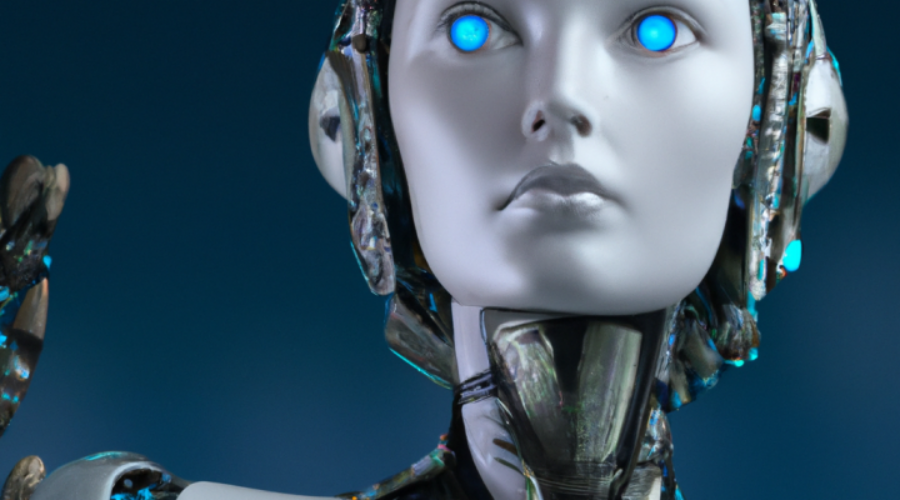
Behind the glittering facades of Las Vegas’ iconic establishments, a quieter revolution is unfolding in the kitchens and supply chains. Robotic arms, once confined to factory floors, are now flipping burgers, mixing cocktails, and even plating dishes with surgical precision. These machines don’t tire, don’t demand breaks, and—most critically—don’t call in sick. For hotel chains managing hundreds of rooms, robotic housekeeping systems are vacuuming floors, sanitizing surfaces, and restocking amenities at speeds no human team could match. The efficiency gains are undeniable, but so too is the existential question: What happens to the thousands of workers whose roles are being automated away?
The Personalization Paradox: When Data Knows You Better Than You Know Yourself
Las Vegas has always been a city of reinvention, where guests shed their everyday identities and embrace new personas. Now, AI is taking personalization to dystopian heights. Facial recognition systems greet high rollers by name before they even reach the casino floor. Wearable devices track a guest’s movements, preferences, and even stress levels, feeding this data into algorithms that craft bespoke experiences in real time. A gambler’s losing streak might trigger a complimentary spa visit. A family’s hesitation at the buffet could prompt a robot waiter to offer a child-friendly alternative. The line between thoughtful service and invasive surveillance blurs, leaving guests to wonder: Is this hospitality or hyper-targeted manipulation?
The Human Touch in an Automated World: Can Empathy Be Programmed?
Yet for all its prowess, automation struggles to replicate the intangible magic of human connection. The laughter shared over a misplaced reservation, the reassuring hand on a guest’s shoulder during a crisis—these moments defy algorithms. Some resorts are striking a balance, deploying AI for routine tasks while reserving human staff for high-touch interactions. The key lies in symbiosis: using technology to handle the mundane so that humans can focus on the extraordinary. The challenge? Convincing a workforce accustomed to traditional roles that their future lies not in competing with machines, but in collaborating with them.
The Economic Ripple Effect: Who Wins, Who Loses?
The automation wave isn’t just reshaping guest experiences; it’s redrawing the economic landscape of Las Vegas. On one shore, investors and tech companies stand to reap massive rewards, their balance sheets buoyed by reduced labor costs and increased throughput. On the other, a workforce accustomed to the city’s hospitality-driven economy faces displacement. The city’s famed culinary scene, built on generations of chefs and servers, now grapples with the rise of robotic sous-chefs and automated delivery systems. Meanwhile, the demand for tech-savvy professionals—data scientists, AI trainers, and cybersecurity experts—is skyrocketing. The question isn’t whether automation will reshape the industry, but whether Las Vegas can pivot fast enough to avoid a talent exodus.
The automation tsunami is not a distant threat; it’s a present reality, crashing against the shores of Las Vegas with unstoppable force. For those who adapt, the rewards are immense: unparalleled efficiency, hyper-personalized experiences, and a new era of service that feels almost magical. But magic, as we know, comes with a price. The city that built its reputation on human ingenuity and warmth must now decide how much of its soul it’s willing to trade for the cold precision of machines. One thing is certain: the tide is rising, and those who learn to ride it will shape the future of hospitality itself.