Elon Musk’s Tunnels to Run Alongside Modified Las Vegas Monorail Lines
The idea of Elon Musk’s subterranean transit network threading alongside Las Vegas’s modified monorail lines is more than a futuristic novelty—it’s a convergence of urban pragmatism and visionary engineering. Beneath the neon glow of the Strip, where the city’s pulse quickens with both excess and efficiency, a silent revolution is unfolding. The tunnels, once dismissed as mere hyperloop testbeds, now promise to redefine how a city moves, not by scaling upward with steel girders and elevated tracks, but by burrowing downward into the earth’s quiet embrace. This isn’t just about speed; it’s about reclaiming surface space, reducing congestion, and transforming the way urban dwellers perceive transit itself.
The Monorail’s Legacy and the Need for Reinvention
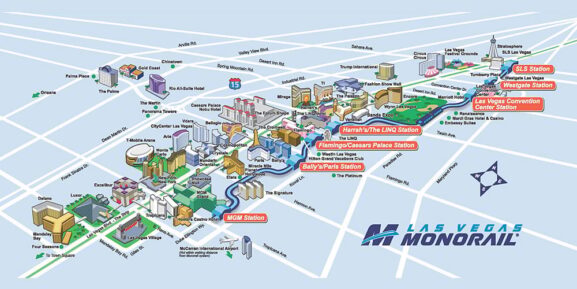
Las Vegas’s monorail, a relic of 1990s ambition, once symbolized progress. Its sleek, elevated beams sliced through the desert skyline, offering a glimpse of modernity. Yet, despite its promise, the monorail never achieved the ubiquity its designers envisioned. High costs, limited stations, and the sheer sprawl of the city diluted its impact. Today, it operates more as a novelty for tourists than a lifeline for locals. Enter Elon Musk’s Boring Company, which saw not just a transportation challenge, but an opportunity to reimagine the monorail’s role. By tunneling beneath its elevated tracks, Musk’s vision doesn’t replace the monorail—it augments it, creating a dual-layered transit system where surface and subterranean networks coexist in harmony.
Engineering the Underground: Precision Meets Ambition
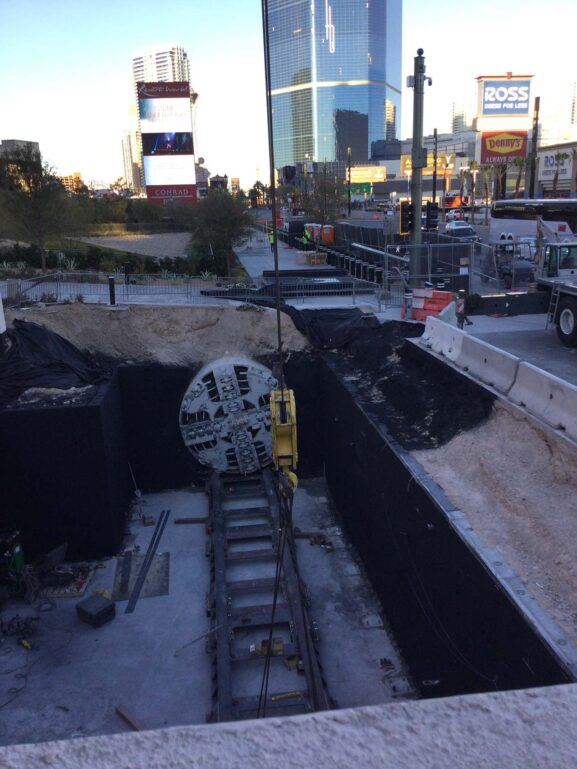
The tunnels beneath Las Vegas are not mere excavations; they are feats of precision engineering. The Boring Company’s autonomous tunnel-boring machines (TBMs) carve through the earth with a relentless efficiency, their rotating heads pulverizing rock and soil into manageable debris. What sets these tunnels apart is their integration with existing infrastructure. Unlike traditional subway systems, which require decades of planning and exorbitant budgets, Musk’s approach leverages modular, prefabricated segments that can be assembled with minimal disruption. The result? A network that can be expanded rapidly, adapting to the city’s ever-shifting demands. This isn’t just tunneling—it’s urban alchemy, transforming the mundane act of digging into a catalyst for systemic change.
The Aesthetic of the Underground: Where Function Meets Futurism
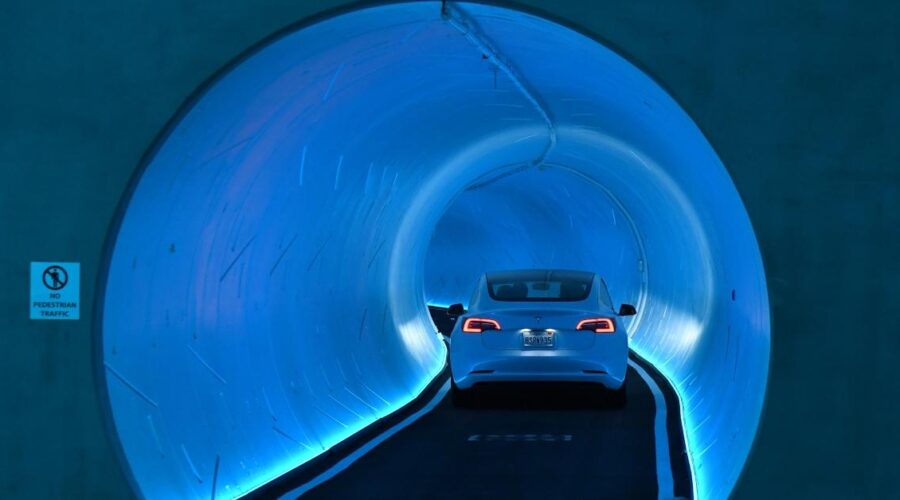
There’s an undeniable allure to descending into the earth, where the hum of traffic fades into the quiet rhythm of a subterranean world. The tunnels beneath Las Vegas are designed not just for efficiency, but for experience. Sleek, cylindrical pods glide through the darkness at speeds that defy expectation, their acceleration smooth and silent. The absence of windows might seem counterintuitive, but it’s a deliberate choice—one that eliminates the disorienting blur of the surface world, replacing it with a meditative focus on the journey itself. This is transit as escapism, a brief respite from the sensory overload of the Strip. It’s a reminder that even in the most pragmatic of systems, there’s room for wonder.
Economic Ripples: Beyond Speed, Toward Urban Transformation
The true significance of this project lies not in its speed, but in its potential to reshape the city’s economic landscape. By shifting transit underground, valuable surface space is liberated. Imagine parking lots transformed into green parks, or the monorail’s elevated beams repurposed as pedestrian walkways lined with shops and cafes. The tunnels could also serve as conduits for high-speed freight, reducing the need for truck traffic on already congested roads. For a city that thrives on reinvention, this is the next logical step—a way to future-proof Las Vegas against the creeping stagnation of outdated infrastructure. The question isn’t whether this will work, but how quickly it can scale.
The Psychological Shift: From Skepticism to Belief
Yet, for all its promise, the project faces a formidable challenge: skepticism. Humans are creatures of habit, and the idea of hurtling through the dark at 150 mph while seated in a windowless pod is enough to give even the most intrepid traveler pause. The Boring Company has addressed this with rigorous testing and transparent safety protocols, but the real battle is psychological. It’s the same hesitation that greeted the first elevators, the first subways, the first autonomous vehicles. The tunnels force us to confront our primal fear of the unknown—a fear that’s as much about control as it is about safety. Overcoming this will require more than engineering; it will demand a cultural shift, one where the underground is no longer a place of dread, but of possibility.
The tunnels beneath Las Vegas are more than a technological marvel; they are a testament to the audacity of human ingenuity. In a city that has always chased the next big thing, this project offers something rarer: a glimpse of the future that doesn’t just promise change, but delivers it. As the pods glide through the darkness, carrying passengers to destinations unseen, they carry with them the unspoken hope that perhaps, just perhaps, the best way forward isn’t always upward—but downward, into the earth’s embrace.