17% Snowpack Triggers Nevada Drought Response Plans
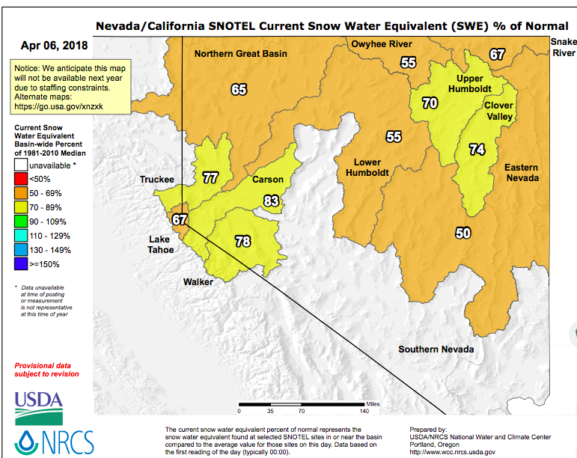
The stark reality of Nevada’s water crisis has sharpened into focus with the revelation that statewide snowpack levels have plummeted to just 17% of historical averages. This precipitous decline isn’t merely a statistical anomaly—it’s a clarion call for immediate action, one that has prompted the activation of comprehensive drought response plans across the Silver State. As aridification grips the region with relentless tenacity, communities, agricultural sectors, and policymakers are confronting a future where every drop of water is scrutinized, conserved, and strategically allocated. The implications stretch far beyond parched landscapes; they redefine how Nevada will sustain its growth, preserve its ecosystems, and safeguard its future.
The Hydrological Domino Effect: How 17% Snowpack Reshapes Nevada’s Water Landscape
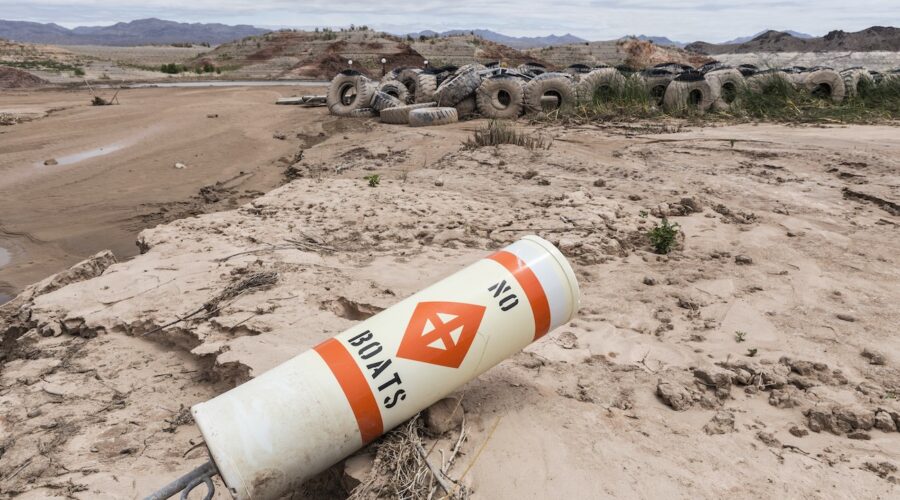
Snowpack serves as nature’s reservoir, a seasonal savings account that slowly releases water into rivers and aquifers as temperatures rise. At 17% of normal, Nevada’s snowpack has failed to accumulate the critical mass needed to replenish critical water sources like the Colorado River and Lake Tahoe. The consequences are immediate and cascading. Streamflows are dwindling, groundwater levels are receding, and reservoirs are approaching historic lows. This hydrological domino effect doesn’t just threaten irrigation for alfalfa fields or the lush greens of golf courses—it jeopardizes municipal water supplies for cities like Las Vegas and Reno, where populations continue to swell despite the arid conditions. The 17% figure isn’t just a number; it’s a tipping point that forces a reevaluation of water rights, allocation priorities, and long-term sustainability strategies.
Urban Resilience: Adapting Cities to a Drier Future
Nevada’s urban centers are on the front lines of this water scarcity crisis, where sprawling metropolises built in the desert now face existential questions about growth and resource management. Las Vegas, a city that has thrived by importing 90% of its water, is accelerating its conservation mandates, phasing out decorative grass, and incentivizing xeriscaping. Meanwhile, Reno and Henderson are investing in advanced water recycling systems and exploring desalination as potential solutions. The challenge isn’t just technological—it’s cultural. Convincing residents to embrace shorter showers, drought-resistant landscaping, and water-wise appliances requires more than policy; it demands a shift in mindset. Cities are responding with public awareness campaigns, tiered pricing structures, and rebate programs that reward conservation. The goal isn’t just to survive the drought but to reimagine urban living in harmony with the desert’s limits.
Agricultural Adaptation: Navigating the Thirsty Fields of Nevada
Nevada’s agricultural sector, though a smaller contributor to the state’s economy than in decades past, remains a vital component of its food security and rural livelihoods. With irrigation water becoming increasingly scarce, farmers are being forced to make agonizing decisions: fallow fields, switch to less water-intensive crops, or invest in precision irrigation technologies. Alfalfa, a staple crop for the dairy industry, is particularly vulnerable, as its high water demands clash with dwindling allocations. Some growers are turning to drought-tolerant varieties or exploring alternative revenue streams like solar farming on fallowed land. Others are participating in water markets, where they can lease or sell their rights to municipalities willing to pay a premium. The agricultural community’s resilience hinges on its ability to pivot quickly, adopting innovations that reduce water footprints without sacrificing economic viability.
Policy and Innovation: The Engine of Drought Mitigation
Behind every water-saving initiative, conservation mandate, and infrastructure project lies a framework of policy and innovation designed to outmaneuver the drought’s grip. Nevada’s response plans are a patchwork of emergency measures and forward-thinking strategies, from mandatory water restrictions to investments in cloud-seeding and groundwater recharge projects. The state is also leveraging data analytics to predict water shortages with greater precision, allowing for proactive rather than reactive measures. At the federal level, collaborations with neighboring states and tribal nations are crucial, as water rights and allocations are negotiated across borders. Meanwhile, research institutions are pioneering breakthroughs in water purification, atmospheric water harvesting, and soil moisture retention. Policy isn’t just about regulation—it’s about fostering an ecosystem where innovation can flourish in the face of adversity.
Community Engagement: The Human Element of Water Conservation
No drought response plan can succeed without the buy-in of the communities it aims to protect. Nevada’s residents are being called upon to play an active role in water conservation, whether by reporting leaks, reducing outdoor water use, or supporting local conservation programs. Grassroots organizations are leading the charge, organizing workshops on xeriscaping, hosting water-wise gardening competitions, and advocating for policy changes at the local level. Schools are integrating water education into curricula, teaching the next generation about the value of every gallon. The message is clear: water conservation isn’t just a government mandate—it’s a collective responsibility. In a state where water has historically been taken for granted, this shift in perspective is as vital as any technological solution.
The 17% snowpack isn’t just a statistic—it’s a wake-up call etched into the landscape of Nevada. As the state grapples with the realities of a drier future, the path forward demands a blend of urgency, innovation, and collaboration. From the neon-lit streets of Las Vegas to the alfalfa fields of Fallon, every sector must adapt, every policy must evolve, and every resident must contribute. The challenge is monumental, but so too is the resilience of those who call Nevada home. In the face of adversity, the Silver State is proving that even in the driest of times, there is room for growth—if only we’re willing to rethink what growth looks like.